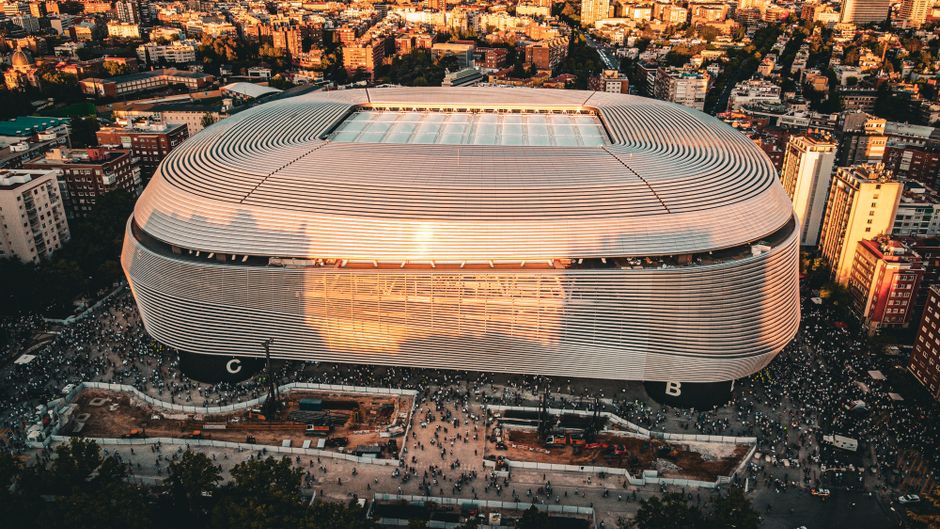
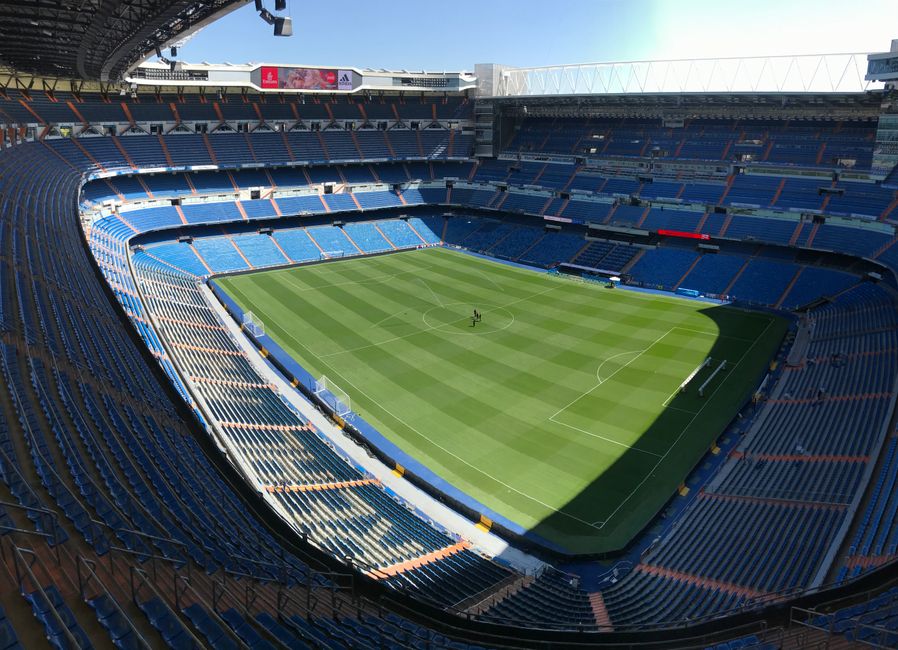
Walking through Retiro on a Tuesday evening, you'll spot dozens of amateur footballers competing under floodlights at the newly refurbished Complejo Deportivo Retiro—a facility that has undergone significant modernisation over the past three years. This is just one example of how Madrid's recreational sport ecosystem has evolved dramatically, transforming aging neighbourhood amenities into world-class training grounds that serve thousands of weekend warriors.
The expansion reflects broader investment across the city. In Chamberí, the Centro Municipal de Tenis features 12 clay courts and serves approximately 2,000 registered amateur players annually. Monthly membership fees range from €45 to €85, depending on court access levels—making competitive sport increasingly accessible to Madrid's working-class neighbourhoods. Meanwhile, the Polideportivo Municipal de Vallecas in the south has become a hub for volleyball and basketball leagues, hosting over 50 registered amateur teams across multiple divisions.
Infrastructure improvement, however, remains uneven. While affluent districts like Salamanca benefit from well-maintained private facilities—with monthly costs exceeding €120—neighbourhoods like San Blas struggle with aging equipment and limited court availability. Local administrators acknowledge these disparities. The Federación Madrileña de Deportes launched a €3.2 million capital improvement programme in 2024, prioritising underserved communities.
Running clubs present another success story. The Parque del Retiro's 3.8-kilometre loop now features dedicated running lanes and hydration stations maintained by local sports associations. Similarly, the Cañada Real greenway, stretching across Madrid's eastern suburbs, has evolved from a neglected pathway into a preferred training route for cycling and running communities.
Amateur swimming presents unique challenges. While the Piscinas Municipales de O'Donnell operates year-round with competitive pricing—€6 per session—demand consistently exceeds capacity. The city operates 18 municipal pools, but peak-hour wait times regularly reach 45 minutes during summer months.
Looking ahead, Madrid's sports infrastructure faces critical questions. Population growth in peripheral neighbourhoods outpaces facility development, creating bottlenecks. Yet grassroots enthusiasm remains undeniable. Weekly participation in amateur leagues across football, basketball, tennis, and running now exceeds 180,000 residents—nearly 3% of Madrid's population.
The city's recreational sport infrastructure, while improving, demands continued investment. Success stories like Retiro's renovation demonstrate what's possible; existing gaps highlight what remains urgent.
This article was compiled by AI from the sources linked above and screened before publishing. See our editorial standards.