Madrid's football faithful are bracing themselves for what could be a transformative evening at Sevilla's Estadio de La Cartuja. Real Madrid's Copa del Rey final appearance represents far more than silverware; it signals the club's trajectory as it faces a transitional period marked by ageing stars and mounting pressure to refresh its squad architecture ahead of the 2026-27 campaign.
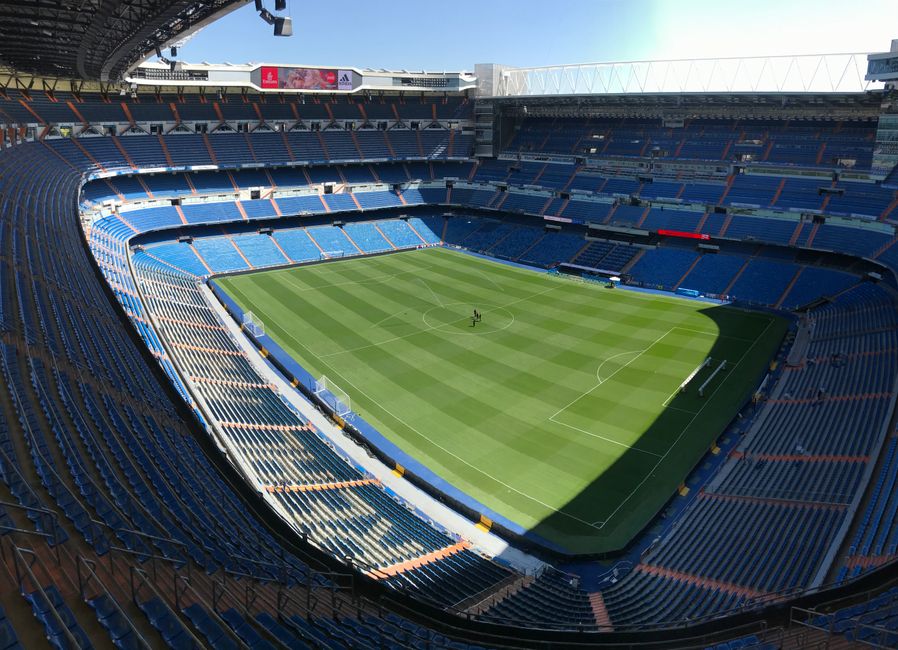
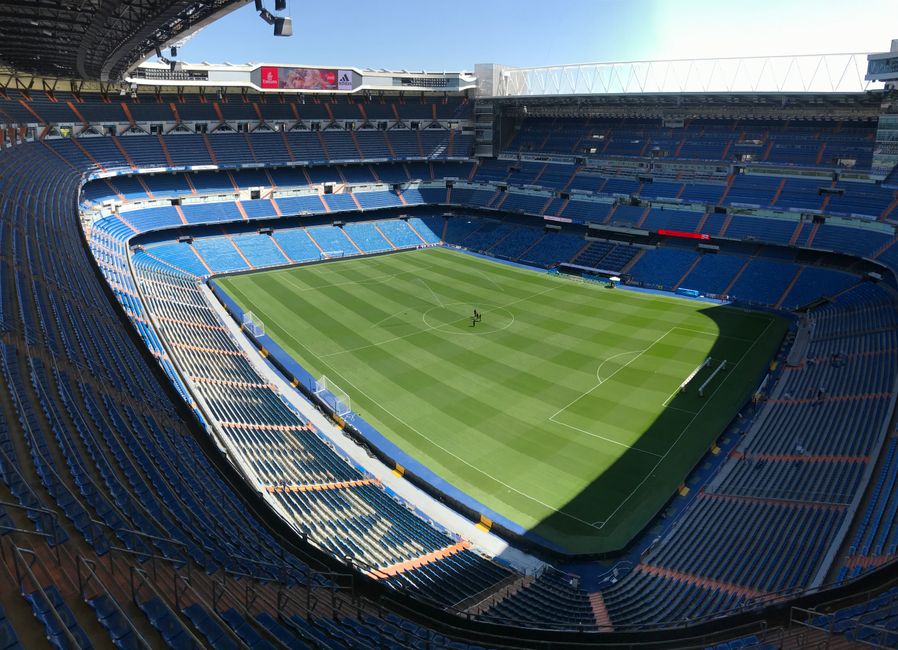
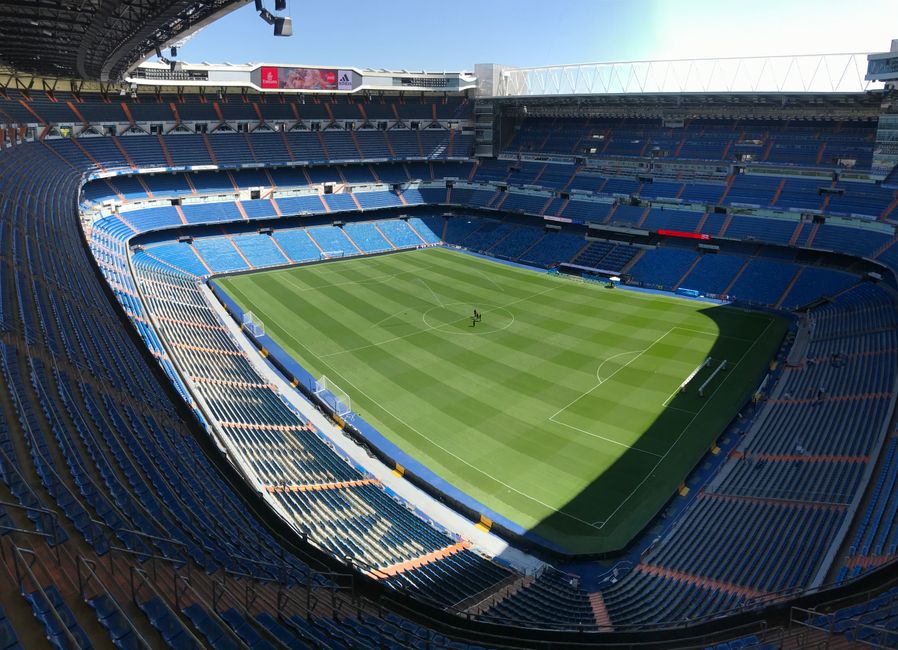
The Santiago Bernabéu, that cathedral of Spanish football nestled between the Paseo de la Castellana and Calle Concha Espina, has witnessed countless European nights of glory, yet the current squad configuration lacks the invincibility that characterised recent seasons. With several key players entering their twilight years, this cup final becomes symbolic—a potential redemptive narrative if Madrid's youngsters step forward decisively.
Ticket prices for the clash have surged beyond €300 for prime seating, reflecting the desperation among Madrid's 2.8 million residents who consider the Merengues their cultural bedrock. Travel agencies across the Salamanca and Retiro districts have been overwhelmed with requests, testament to the obsessive devotion this city harnesses for its football club. The economic ripple effect is substantial: hospitality venues throughout Madrid's central districts expect increased footfall, with tapas bars in La Latina and sophisticated restaurants along Recoletos anticipating a surge during the pre-match period.
Tactically, Ancelotti faces an intricate balancing act. The coach must decide whether to prioritise aggressive attacking football that showcases the club's attacking potential to summer suitors, or adopt conservative pragmatism designed solely to secure the trophy. Either approach carries consequences for the recruitment period immediately following this match—a period where Madrid's technical directors will assess precisely which positional upgrades and youth integration strategies prove necessary.
The broader context matters considerably. Europa's elite clubs are circling Madrid's promising academy graduates, while simultaneously, the club must navigate Financial Fair Play considerations that restrict aggressive spending. The Copa del Rey final, therefore, becomes a measuring stick against which to evaluate whether this current group possesses sufficient quality to carry Madrid through an uncertain transitional phase.
For the millions watching across Madrid's neighbourhoods—from the working-class suburbs of Usera to the upscale enclaves of Pozuelo—this final represents an opportunity for vindication. A trophy would substantiate claims that this squad remains competitive. Defeat would intensify the narrative of decline, intensifying pressure on the club's hierarchical structure heading into summer deliberations about the direction of this storied institution.
This article was compiled by AI from the sources linked above and screened before publishing. See our editorial standards.