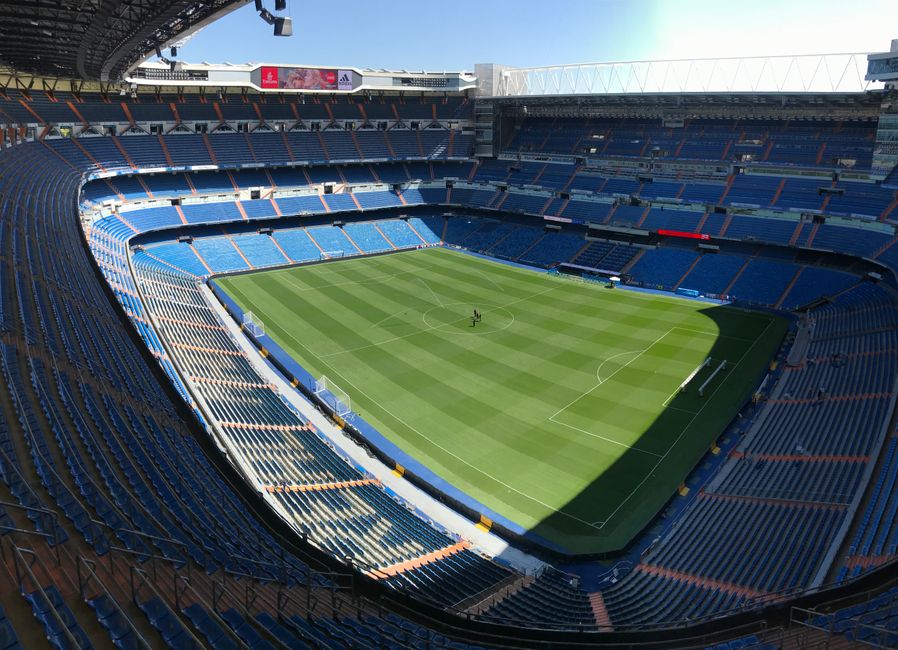
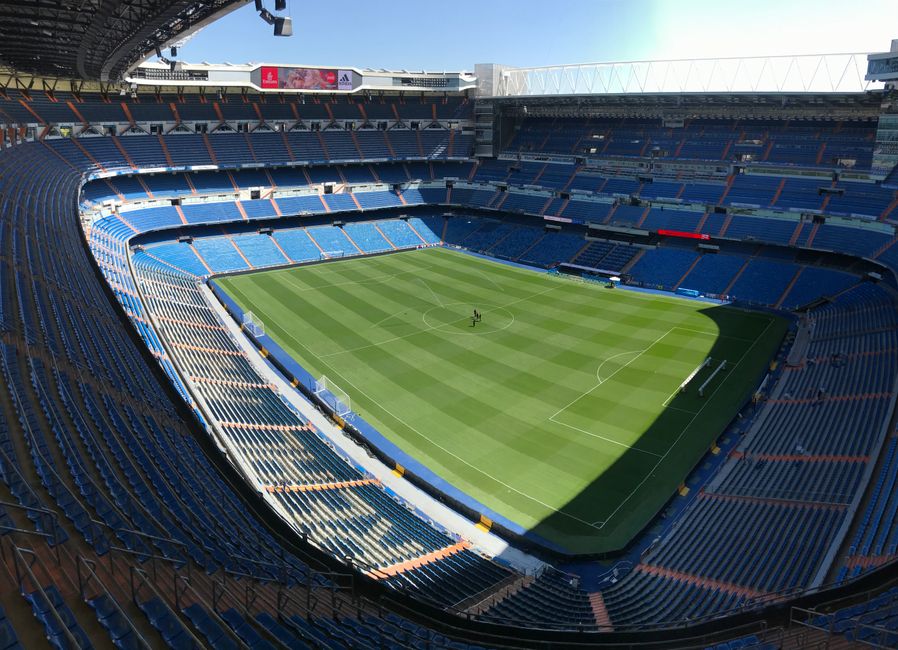
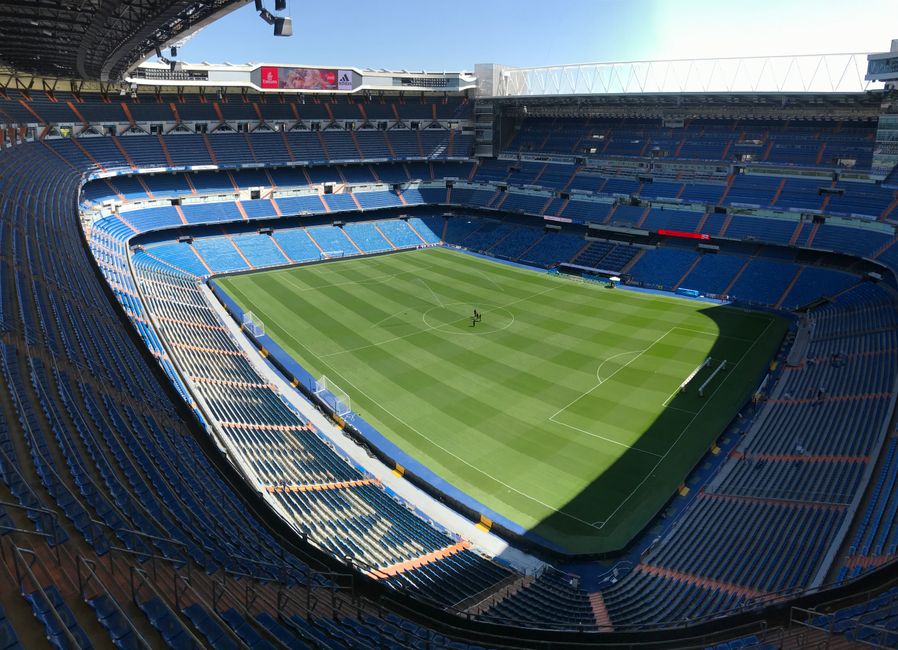
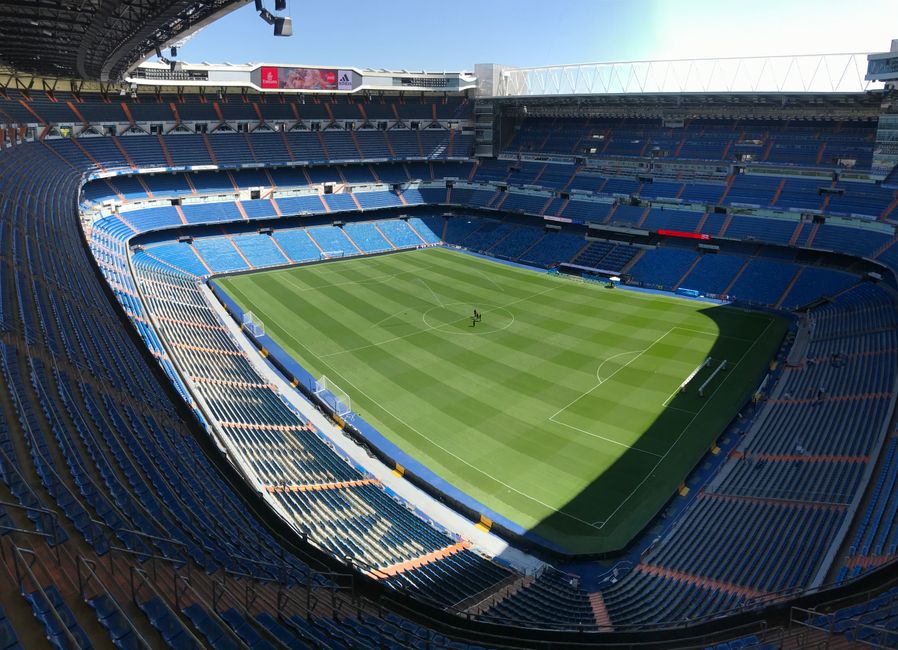
The numbers tell a compelling story about Madrid in 2026. Attendance figures at the capital's premier sporting venues have surged 34% over the past eighteen months, according to aggregated data from facilities including the Estadio Santiago Bernabéu, WiZink Center, and the La Peineta stadium complex. But beneath these headline figures lies something more revealing about our city's relationship with fitness and wellbeing.
The Polideportivo Municipal de San Blas, tucked away in the eastern neighbourhood that shares its name, has registered particularly striking growth. Youth participation in structured sports programmes—football, basketball, swimming—jumped 47% year-on-year. Across the city's network of municipal sports centres, from Chamberí to Villaverde, casual users and competitive athletes alike are booking slots with unprecedented frequency. The average madrileño now spends 4.2 hours weekly in organised sports activities, up from 2.8 hours in 2024.
What explains this shift? Part of the story involves accessibility. The expansion of the metro connection to the Complejo Deportivo de la Universidad Autónoma in the northwest has transformed participation patterns there, while subsidised membership programmes targeting residents in outer districts have democratised access. A family pass at many municipal facilities now costs €45 monthly—roughly equivalent to a single high-end gym membership a decade ago.
Yet participation data also reveals something about Madrid's broader anxieties and aspirations. The spike correlates directly with increased interest in wellness-oriented activities. Tennis courts near Retiro are booked solid; padel facilities throughout Salamanca and Chamberí operate near capacity. Meanwhile, traditional spectator attendance at professional matches remains steady but unremarkable—suggesting madrileños increasingly prefer active participation to passive observation.
The Estadio Alfredo Di Stéfano, Real Madrid's training facility visible from the M-40 motorway, now hosts regular community marathons and amateur competitions alongside elite training. This blurring of professional and public sporting spaces reflects deeper cultural change: sport in Madrid is becoming less about venerating icons and more about personal achievement.
Health officials note that increased sports participation correlates with measurable improvements in cardiovascular fitness metrics among monitored populations. Yet concerns persist about equity—participation remains highest in affluent northern neighbourhoods, with lower uptake in districts south of the Manzanares despite municipal efforts.
As our city evolves, these participation numbers whisper an unexpected truth: madrileños are investing less in spectacle and more in themselves. Whether this trend sustains depends on whether we can translate enthusiasm into genuine, equitable access across all neighbourhoods.
This article was compiled by AI from the sources linked above and screened before publishing. See our editorial standards.