Madrid's fitness culture reached fever pitch this week as gyms across the capital reported their highest summer attendance figures in recent years, driven by athletes preparing for the autumn competitive season and the growing popularity of outdoor training initiatives.
The trend has been particularly pronounced in affluent neighbourhoods like Salamanca and Chamberí, where premium facilities have expanded their functional training offerings. Centro Deportivo Municipal Moratalaz, one of the city's largest public sports complexes, recorded a 34% increase in morning sessions compared to the same period last year, according to facility management data shared with local sports organisations.
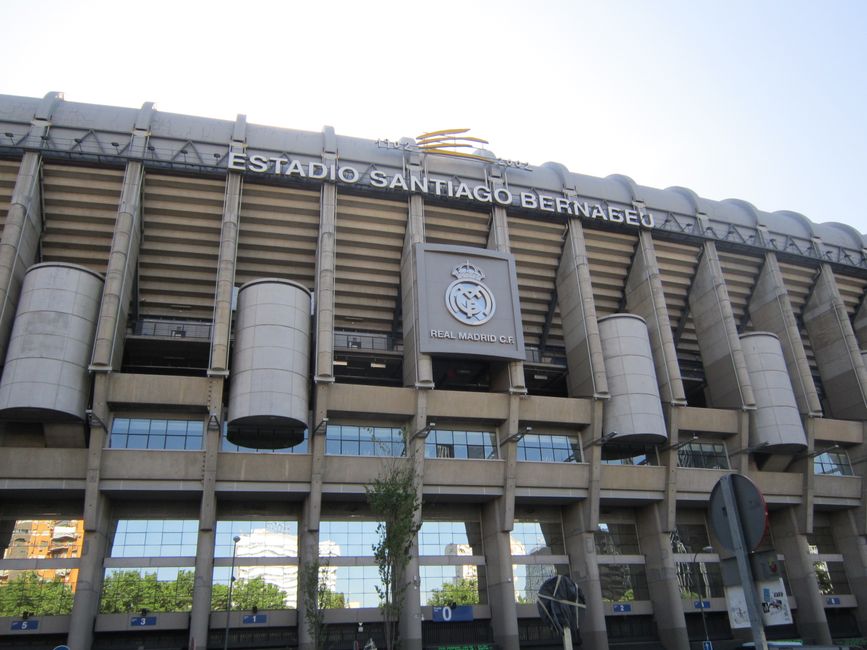
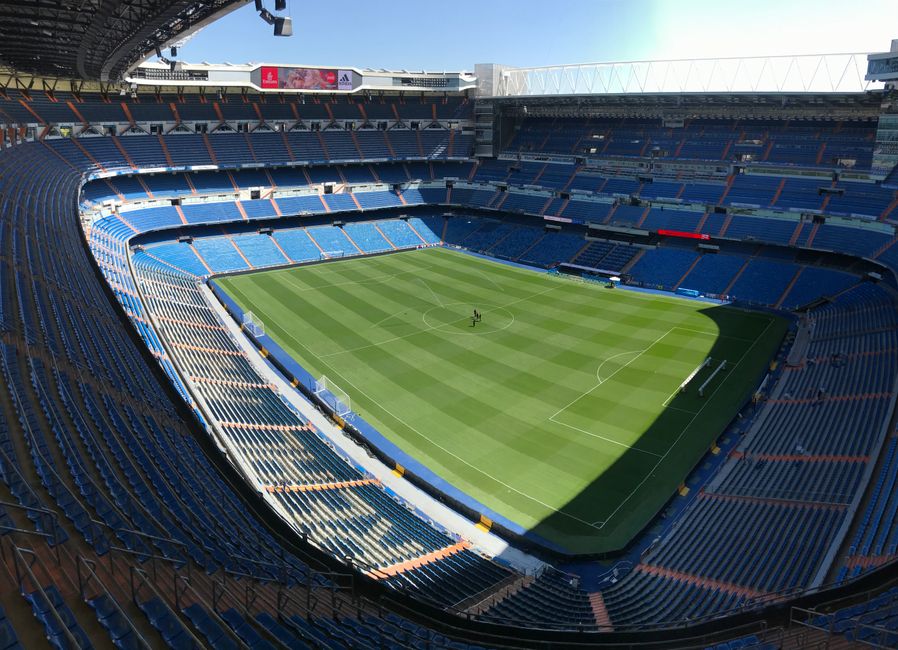
High-intensity interval training (HIIT) continues to dominate Madrid's fitness landscape, with monthly memberships at specialised studios ranging from €65 to €120—a modest 8% increase from 2025. However, the real growth story lies in hybrid programmes combining strength conditioning with sport-specific drills. Several facilities near the Estadio Santiago Bernabéu and Campo de Entrenamiento Real Madrid have launched cross-functional modules aimed at weekend footballers and serious amateurs.
The shift reflects broader patterns emerging across Spain's capital. Data from fitness tracking applications suggests that boot camp-style sessions in Retiro Park and along the Manzanares river corridor have attracted younger demographics previously unengaged with traditional gym environments. These outdoor programmes, typically costing €12-15 per session, have become informal testing grounds for emerging fitness methodologies before they move indoors.
Industry observers note that this week's intensity particularly benefited trainer-led programmes, with many Madrid-based personal trainers reporting booking schedules filled through mid-July. The competitive landscape has intensified, with established chains competing against boutique operators and independent trainers who have cultivated loyal followings through social media presence and bespoke programming.
Nutritional guidance has emerged as a complementary revenue stream, with gyms in Chueca and Gran Vía increasingly offering integrated dietary consultations. This week saw several facilities launch summer-specific plans targeting body composition adjustments before holiday seasons—a seasonal staple that gains momentum annually.
Looking ahead, Madrid's fitness sector appears positioned for sustained growth through August, though facility managers acknowledge that September typically brings consolidation as many members reassess their commitments. The convergence of competitive season preparation, holiday body motivation, and genuine cultural enthusiasm for physical fitness suggests this summer will mark another benchmark for Spain's increasingly sophisticated urban sports infrastructure.
This article was compiled by AI from the sources linked above and screened before publishing. See our editorial standards.