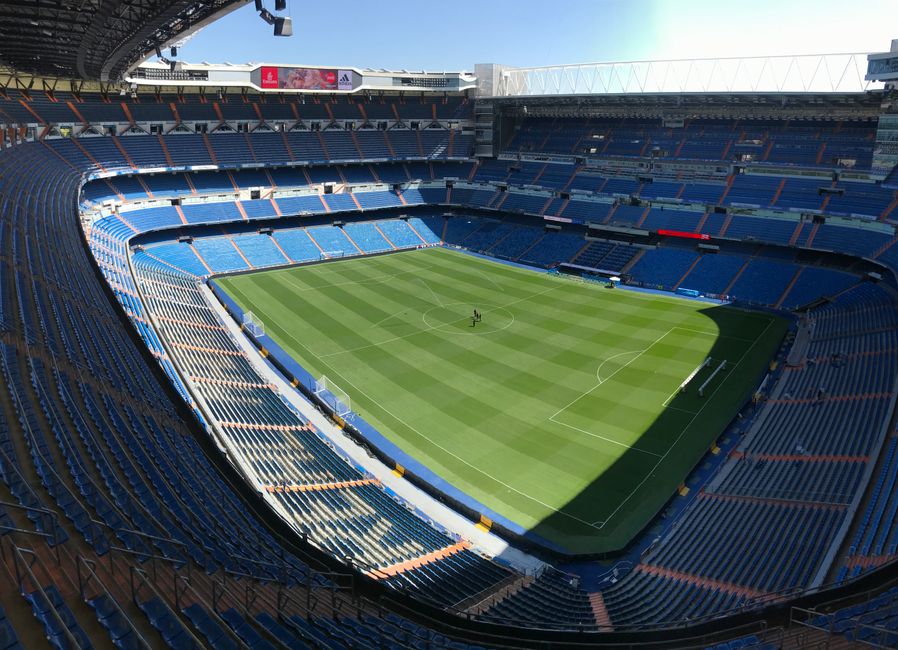
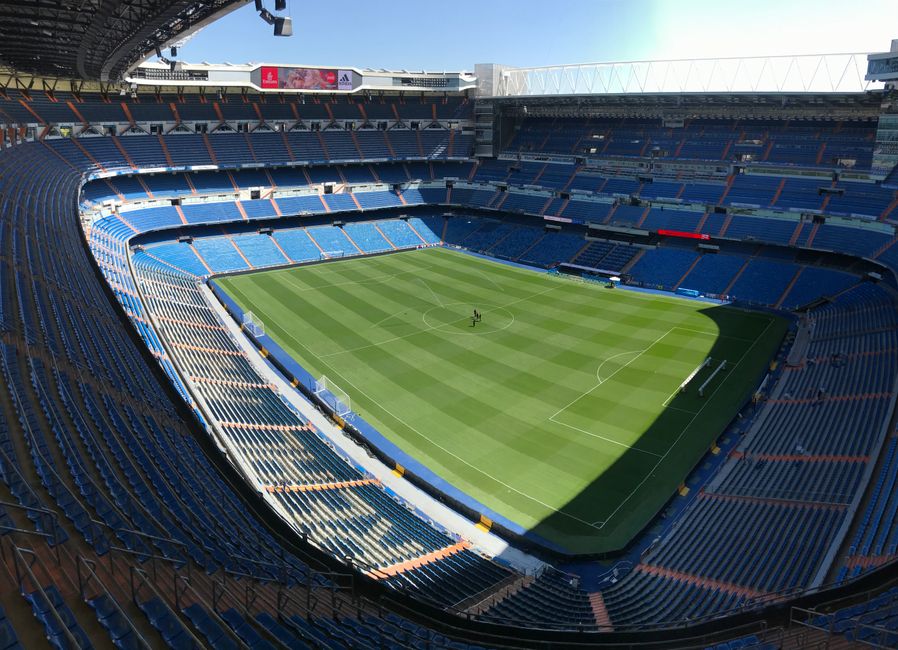
While the Bernabéu and the Metropolitano capture global attention, Madrid's true sporting renaissance is unfolding in neighbourhoods like Carabanchel, Puente de Vallecas, and Latina, where modest clubs are converting their stadiums into genuine community anchors.
The phenomenon reflects a broader shift in Spanish sports culture. Clubs such as AD San Cristóbal in the heart of San Cristóbal neighbourhood have expanded their facilities to accommodate not just football, but basketball courts, athletics tracks, and multipurpose spaces. Their modest 2,000-capacity ground on Calle de la Paz now hosts weekly community events alongside competitive matches, attracting upwards of 8,000 visitors monthly across all activities.
"What we're seeing is the profitionalisation of grassroots infrastructure," explains the burgeoning network of community sports coordinators across Madrid's 21 districts. Many clubs, previously reliant on municipal grants alone, now operate mixed-revenue models. Season tickets for neighbourhood clubs cost between €60-150 annually—a fraction of top-tier pricing—making participation genuinely accessible.
The Fundación Atleti Somos Todos initiative, launched five years ago, has become a blueprint. Operating from facilities in Vallecas and Vicálvaro, the foundation reported serving 4,200 young people in 2025, providing not just training but meal subsidies and mentorship programmes. Their stadium venues function as de facto social services hubs.
Physical infrastructure tells this story vividly. The recently renovated Campo de los Mártires in Latina now features LED floodlighting enabling evening training sessions for working-class youth previously unable to participate during daylight hours. Investment totalling €1.2 million transformed what was a deteriorating facility into a multi-sport complex hosting badminton, volleyball, and futsal alongside traditional football.
Community engagement metrics demonstrate the impact. Average match attendance at neighbourhood clubs has increased 34 percent since 2023, with women's teams particularly driving growth. Several clubs now field competitive women's sides, attracting participation rates previously considered marginal in Spanish grassroots sport.
The economic multiplier effect remains understated. Local bars, transportation, and food vendors surrounding these modest stadiums generate estimated weekly revenue of €15,000-25,000 across Madrid's neighbourhood clusters. These venues have become genuine destination spaces during matchdays.
As elite clubs navigate commercial pressures and European competition, Madrid's neighbourhood stadiums demonstrate that sporting excellence and community cohesion need not conflict. Instead, they're proving complementary—and increasingly, essential—to the city's sporting fabric.
This article was compiled by AI from the sources linked above and screened before publishing. See our editorial standards.