Madrid's football landscape stands at a crossroads. With the 2026-27 season approaching, both Real Madrid and Atlético Madrid are facing a critical juncture that will define their trajectories for years to come. The city's two giants are locked in a familiar embrace—competitive, ambitious, and increasingly desperate for the silverware that has eluded them in recent campaigns.
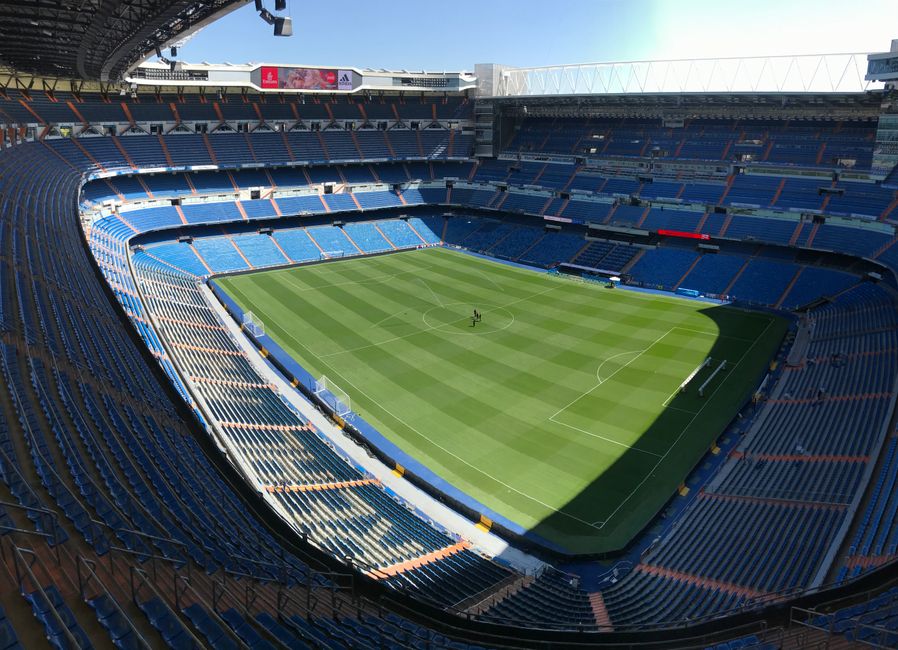
Real Madrid's infrastructure investments around the Estadio Santiago Bernabéu in the Chamartín neighbourhood have transformed the club's capabilities. The €1.6 billion stadium renovation, now in its final phases, represents more than bricks and mortar—it symbolises the club's determination to reclaim European supremacy. Manager Carlo Ancelotti has assembled a squad capable of challenging across all fronts, but whispers of fatigue pervade the Paseo de la Castellana training facilities. The weight of expectation in a city where football dictates conversation on every terrace from Plaza Mayor to Retiro Park cannot be understated.
Atlético's approach differs markedly. Operating from the Cívitas Metropolitano in the San Blas-Canillejas district, Diego Simeone's side has built a reputation on defensive solidity and tactical discipline. Yet consistency in La Liga, where Madrid's three clubs (Real, Atlético, and a resurgent Getafe) collectively command attention, requires a delicate balance. Season ticket prices at the Metropolitano have risen 12% year-on-year, reflecting confidence but also the mounting pressure to deliver trophies that justify such investment.
The 2026-27 campaign presents an unusual dynamic: both clubs simultaneously chase the Champions League while battling for domestic supremacy. This dual focus creates strategic tension. Real Madrid's historical appetite for European glory—they've won the competition fourteen times—suggests continental ambitions will dominate decision-making. Atlético, conversely, may see La Liga as their more realistic pathway to glory, especially given Barcelona's continued rebuilding phase.
Youth development programmes across Madrid's football ecosystem continue to produce talent. The city's academies, from the Fundación Real Madrid facilities near the Bernabéu to Atlético's own academy structures, represent generational investments. These young players will be crucial in determining whether either club can sustain the intensity required for a demanding double pursuit.
As the season approaches, Madrid's football community—from the devoted supporters gathering at traditional meeting points like Puerta del Sol to the casual observers in neighbourhood bars—braces for drama. The stakes have never been higher. In a city where football transcends sport, becoming cultural currency, the 2026-27 season represents far more than matches and points. It represents identity, legacy, and the eternal Madrid question: which giant will ultimately prevail?
This article was compiled by AI from the sources linked above and screened before publishing. See our editorial standards.