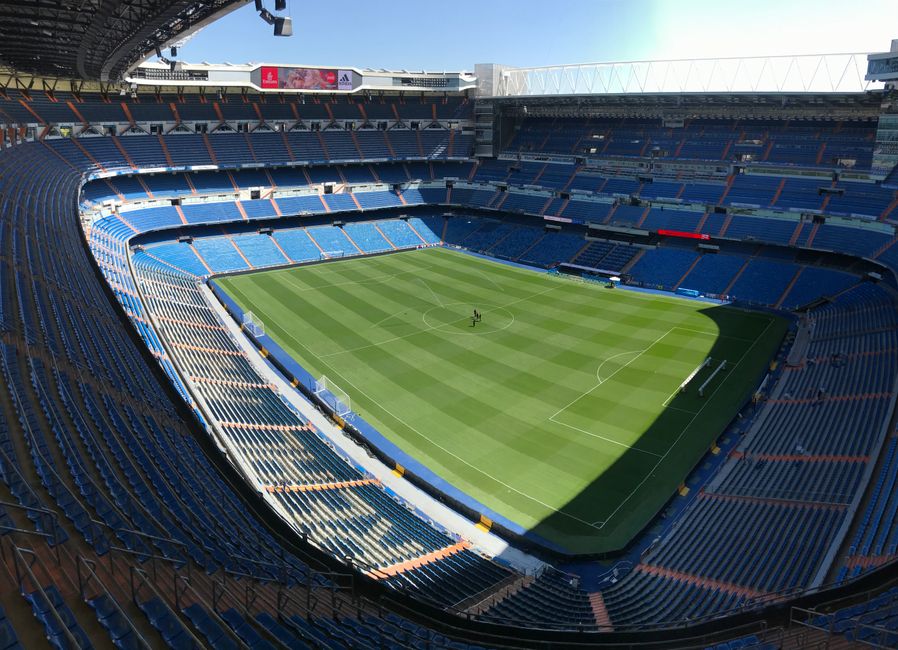
Real Madrid's commitment to developing homegrown talent has never been more evident than this week, when three La Fábrica graduates were confirmed in Luis de la Fuente's Spain squad for the upcoming World Cup qualifiers. The announcement marks a remarkable vindication of the club's long-term investment in its academy, located in the sprawling Valdebebas complex north of the capital, where generations of Madrid's greatest players have learned their trade.
The recognition comes as La Fábrica completes what many are calling its most successful season on record. Beyond the three international call-ups, the academy has produced eleven players currently competing at La Liga level this season—a statistic that underscores the systematic excellence that has made Real Madrid's youth development the envy of European football. The economic impact is equally significant: academy graduates represent an estimated €400 million in retained value for the club, a figure that reflects both the quality of instruction and the competitive advantage of homegrown talent integration.
The Valdebebas facility itself has undergone substantial improvements in recent years, with investment exceeding €25 million spent on pitch maintenance, sports science laboratories, and residential accommodation for elite youth players. Located just off the A-1 motorway in the northern reaches of the Comunidad de Madrid, the sprawling complex now houses nearly 200 players across all age groups, from under-12s through to the reserve team competing in Segunda División.
What distinguishes Real Madrid's approach from competitors like Barcelona—whose academy structure has faced financial constraints—is the club's willingness to integrate academy products directly into first-team competition. This season alone, five players have progressed from the youth ranks to meaningful minutes in La Liga, with two already establishing themselves as squad regulars.
The success reflects broader structural changes implemented over the past half-decade. A dedicated director of youth football now oversees curriculum development, ensuring pedagogical consistency from the youngest age groups through to professional debut. Weekly technical meetings between academy coaches and first-team staff ensure alignment on player development priorities.
For Madrid's supporters, particularly those from the working-class neighbourhoods of San Blas and Villa de Vallecas who grew up dreaming of representing their city's greatest club, the message is clear: the path from local pitches to Valdebebas to the Santiago Bernabéu remains viable. In an era of mega-spending and foreign acquisitions, Real Madrid's youth academy continues to prove that systematic development and patient investment remain unmatched as a pathway to sustained excellence.
This article was compiled by AI from the sources linked above and screened before publishing. See our editorial standards.