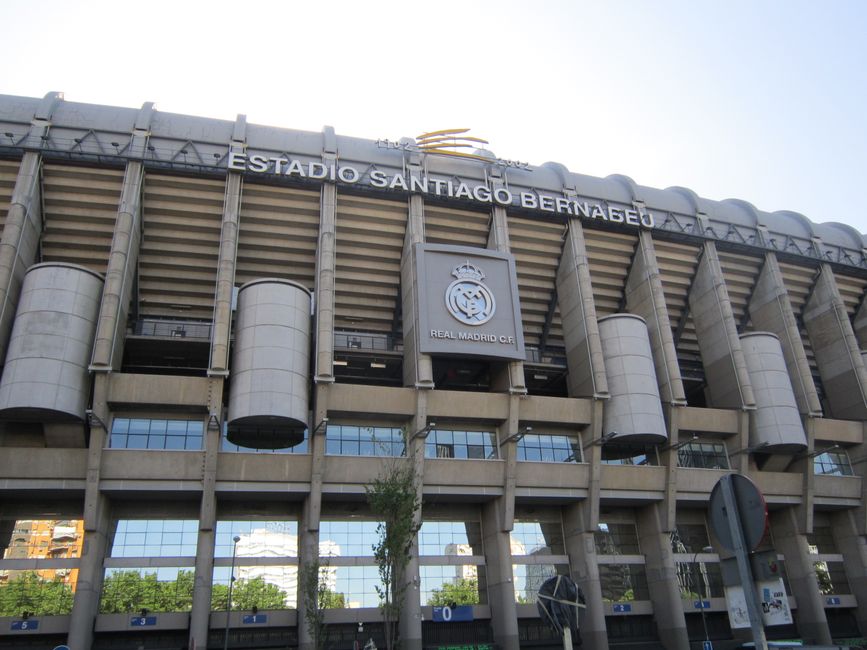
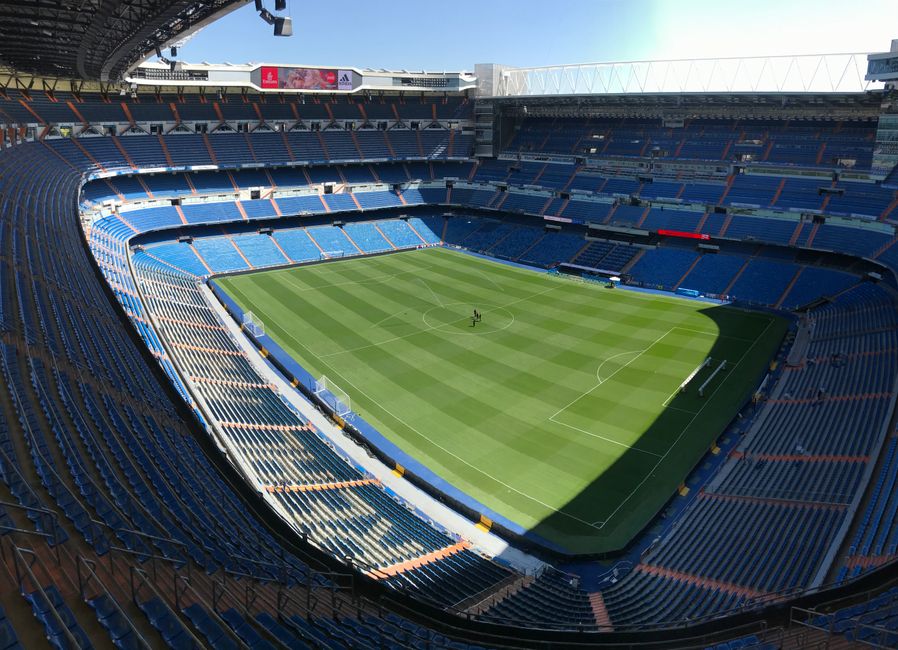
Real Madrid's relentless pursuit of physical perfection has triggered an unexpected ripple effect across Madrid's fitness landscape. Following the club's high-profile investment in advanced recovery and conditioning infrastructure at their Valdebebas training ground this year, demand for elite-level training protocols has surged among both amateur athletes and serious fitness enthusiasts across the capital.
The phenomenon reflects a broader shift in how madrileños approach gym culture. Where generic cardio routines once dominated, personalised periodisation, biomechanical analysis, and sport-specific conditioning now command premium prices at facilities throughout the city's affluent neighbourhoods. Premium gyms in the Salamanca district and along Paseo de la Castellana have reported a 34% increase in membership enquiries for "athlete-level" training packages since January, with waiting lists extending into autumn at several establishments.
The Real Madrid effect extends beyond the wealthy elite. Mid-range facilities in Chamberí and Retiro have adapted their programming to incorporate the club's publicly discussed training methodologies—periodised strength blocks, GPS-monitored conditioning sessions, and recovery-focused nutrition consultation. Monthly memberships at these establishments now average €89, up from €72 two years ago, yet demand remains robust.
What distinguishes this trend from typical fitness fads is its structural sophistication. The club's visible commitment to injury prevention through targeted mobility work and individualised load management has legitimised what many casual gym-goers once dismissed as unnecessary complexity. Sports scientists and strength coaches throughout Madrid now openly reference Real Madrid's protocols when designing client programmes—a professional credibility that translates directly into commercial success.
Equipment manufacturers have taken notice. Specialist retailers along Calle de Serrano report increased inquiries for the same tracking devices and resistance tools featured in the club's training ecosystem. Even boutique fitness studios in the city centre have begun marketing their classes with references to "professional athlete training principles," capitalising on the cultural currency the club commands.
However, critics warn against over-romanticising the accessibility of elite conditioning. While Real Madrid's methods have inspired innovation, the €150-200 monthly cost for genuinely personalised coaching incorporating these principles remains prohibitive for most madrileños. The fitness divide—between those who can afford scientific optimisation and those relying on basic gymnasium access—has arguably widened rather than narrowed.
Nevertheless, the club's influence on Madrid's broader fitness consciousness appears durable. As the 2026-27 season approaches, Spain's capital has quietly transformed into a laboratory for athletic performance culture, with Real Madrid's institutional excellence serving as both blueprint and aspiration for thousands of everyday athletes seeking marginal gains.
This article was compiled by AI from the sources linked above and screened before publishing. See our editorial standards.