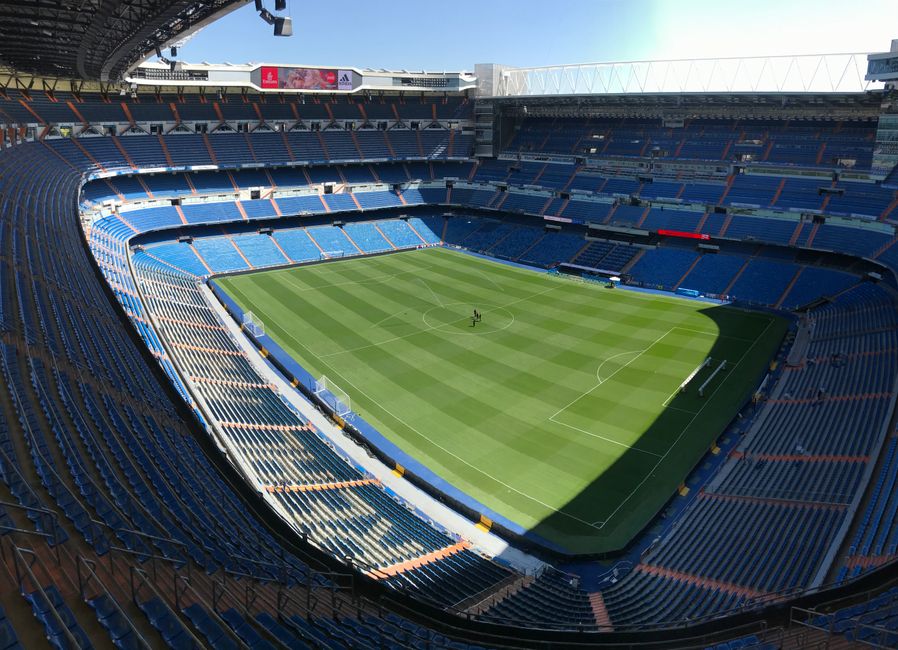
As summer temperatures climb across Madrid, the city's youth football scene is entering its most intense period. The regional finals for U-12 through U-18 categories begin next week, marking the culmination of nine months of training, development, and competition that will determine which young players progress to elite academy structures and which face relegation to lower divisions.
Clubs operating across Madrid's sprawling neighbourhoods—from the traditional academies near the Bernabéu to community-based organisations in Carabanchel, Usera, and Puente de Vallecas—have been fine-tuning their squads since January. The Madrid Football Federation oversees approximately 47,000 registered youth players across 180 clubs, making the regional finals one of the season's most consequential events.
The finals take place across three primary venues: the Ciudad del Fútbol complex in Las Rozas, the Polideportivo Municipal de Moratalaz, and facilities in Alcalá de Henares. Entry fees for participating clubs range from €180 to €350 per team, depending on category and venue, with the tournament running through mid-July.
Club directors report intense preparation schedules. Training frequency has increased to five sessions weekly for competitive squads, with additional video analysis and recovery protocols now standard practice even at U-14 level. Nutrition consultants and sports psychologists—previously exclusive to elite academies—are increasingly common at mid-tier clubs across the capital.
The competitive pressure extends beyond the pitch. Parents invest considerably in youth development, with annual academy fees ranging from €600 to €2,000 depending on club prestige and training intensity. Specialised coaching has become normalised; many U-15 players receive individual technical sessions alongside group training.
However, grassroots development remains unevenly distributed across Madrid's districts. Well-resourced clubs in northern neighbourhoods typically field deeper squads with superior facilities, while community clubs in peripheral areas often operate with volunteer coaches and municipal pitch access. This disparity directly influences finals participation rates and progression opportunities.
The finals represent more than sporting achievement. Successful performances unlock pathways to regional talent identification programmes and potential contracts with professional academy structures. For many young players, these matches determine whether competitive football remains viable beyond adolescence.
As Madrid's youth football enters this decisive window, the outcomes will ripple through the capital's sporting landscape for years ahead. The stakes—both immediate and long-term—have never been higher.
This article was compiled by AI from the sources linked above and screened before publishing. See our editorial standards.