From Spectator to Insider: Your Guide to Getting Involved in Madrid's Major Sporting Venues
Whether you want to volunteer, work, or deepen your connection to the city's world-class stadiums, here's everything you need to know to start your journey.
Whether you want to volunteer, work, or deepen your connection to the city's world-class stadiums, here's everything you need to know to start your journey.
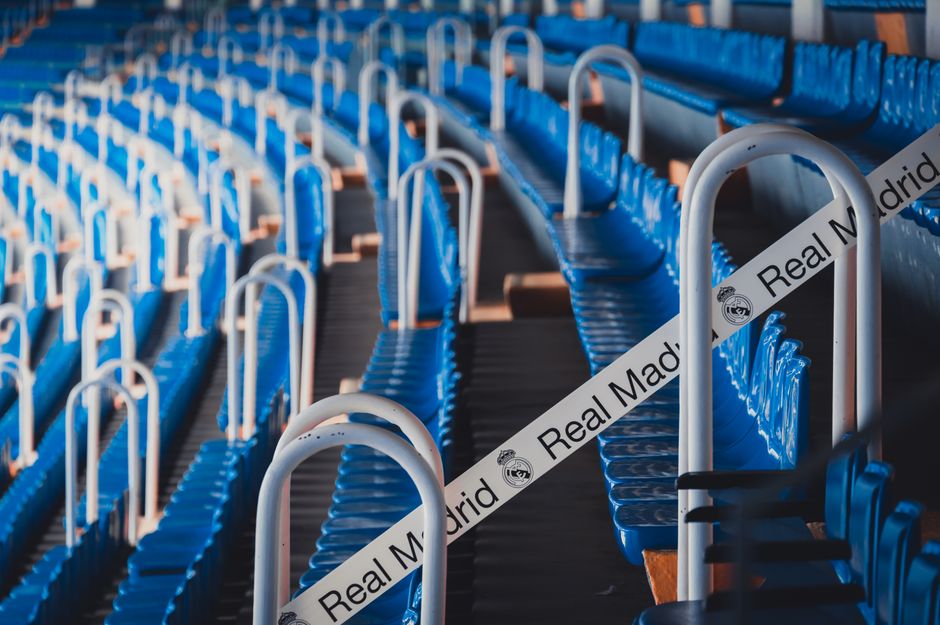
Madrid's sporting infrastructure represents some of Europe's most prestigious venues, and opportunities to get involved extend far beyond purchasing a match ticket. From the Santiago Bernabéu in the north to the Wanda Metropolitano in the east, the capital offers multiple pathways for locals and residents to engage with these institutions—whether through employment, volunteering, or specialized participation programmes.
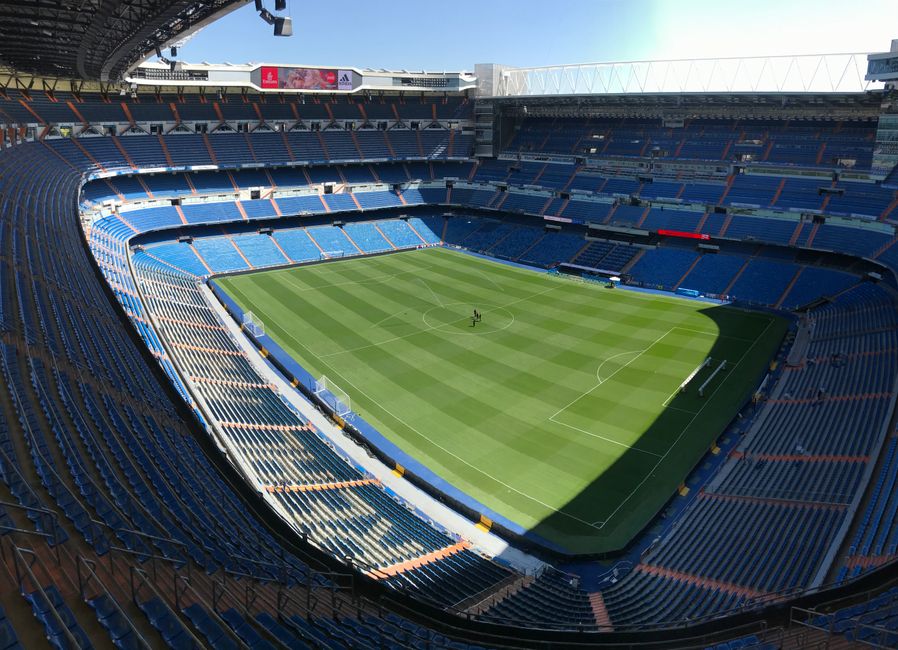
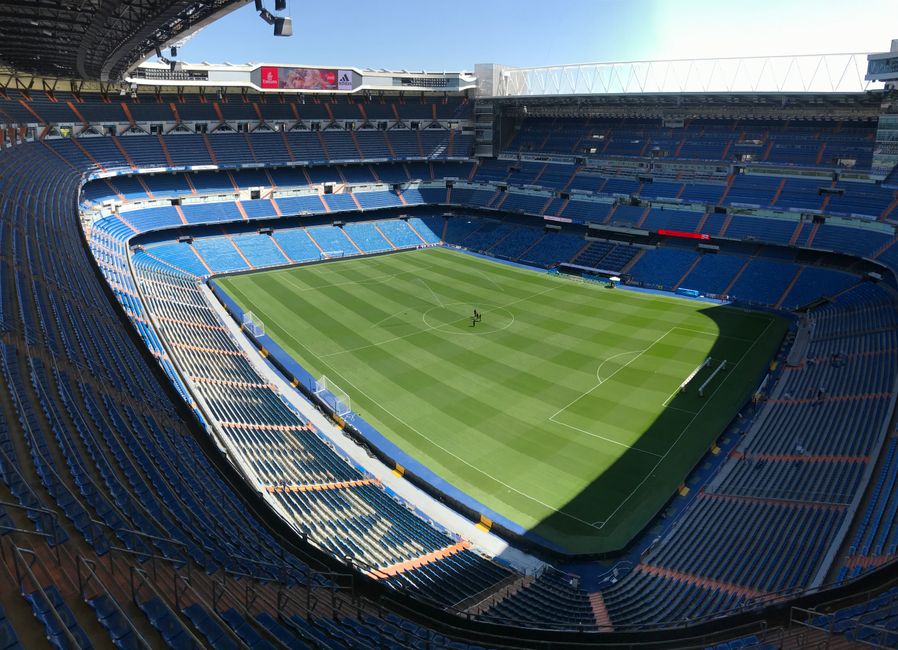
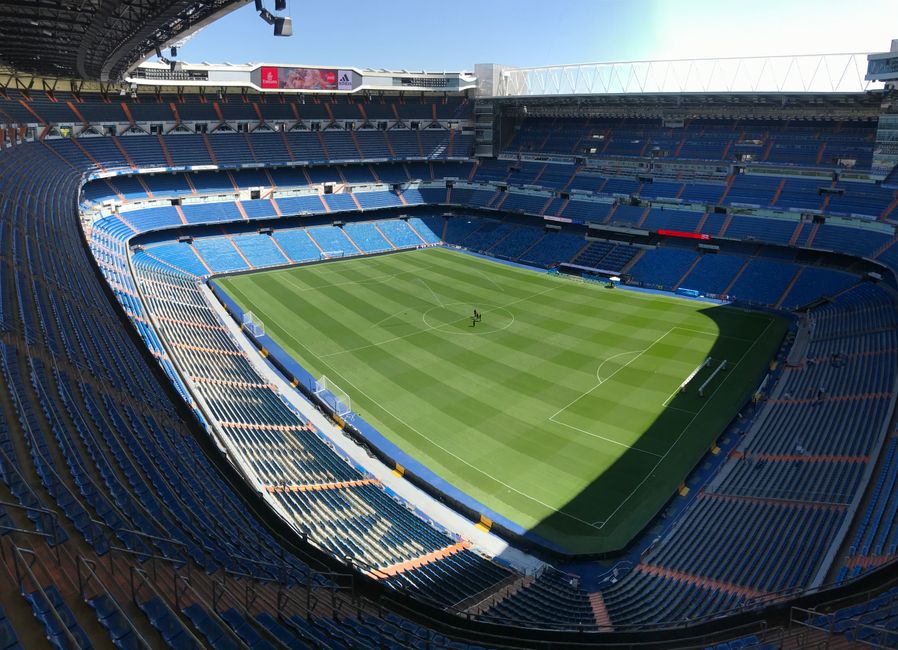
The Santiago Bernabéu, located in the Chamartín neighbourhood near Plaza de Castilla, employs approximately 800 permanent staff across match days and operational periods. The club regularly recruits for stadium operations, hospitality, and event management roles through its official careers portal. Entry-level positions typically require Spanish language proficiency and availability for evening and weekend shifts. Pay ranges from €1,100 to €1,600 monthly for part-time roles, according to recent employment data.
The Wanda Metropolitano, situated in the San Blas-Canillejas district along Avenida de Luis Aragonés, has expanded its volunteer programme significantly. The Madrid Arena Foundation coordinates roughly 300 active volunteers annually, managing everything from ticketing assistance to accessibility support. Prospective volunteers must commit to a minimum of eight match days per season and attend a mandatory orientation session. Registration opens each July through the club's official website.
Beyond the major football stadiums, Madrid's sports ecosystem includes the Palacio Vistalegre arena in the Lavapiés neighbourhood, which hosts basketball, handball, and combat sports. The venue's management accepts applications for event staff year-round, with training provided for first-timers. Similarly, the Complejo Deportivo Municipal de Madrid manages dozens of neighbourhood sports facilities across districts like Retiro and Salamanca, offering opportunities in coaching, facility management, and community programme coordination.
For those interested in sports tourism and stadium tours, official tour operators charge €25 to €35 per person, with guided experiences available in multiple languages. Some venues offer specialist roles—historians, multimedia technicians, and heritage guides—for individuals with relevant expertise.
The Madrid Sports Federation (Federación Madrileña de Deportes) maintains a centralized database of opportunities across public and private venues. Their website lists current openings, requirements, and contact information. Most positions require Spanish citizenship or valid EU residency documentation, background checks, and physical fitness certification for certain roles.
Start by identifying which venue aligns with your interests and availability. Visit their official HR or volunteer pages directly—many roles are filled through targeted outreach rather than public advertising. Early applications for seasonal positions, particularly for the 2026-27 season, significantly increase acceptance rates. Madrid's sporting venues remain gateways not just to world-class competition, but to meaningful participation in the city's sporting culture.
This article was compiled by AI from the sources linked above and screened before publishing. See our editorial standards.
How does this story make you feel?
Spread the word
About this article
Published by The Daily Madrid
Daily brief
Free, in your inbox before 7am. Weekdays.
More in Sport