When CD Chamartín kicked off their 2025-26 campaign in the Segunda Regional league, few outside their modest clubhouse on Calle Marqués de Riscal gave them much chance of making headlines. Yet here we are, with the neighbourhood's grassroots institution on the verge of achieving something their supporters haven't witnessed in four decades: promotion to the Tercera División, Madrid's fourth-tier regional competition.
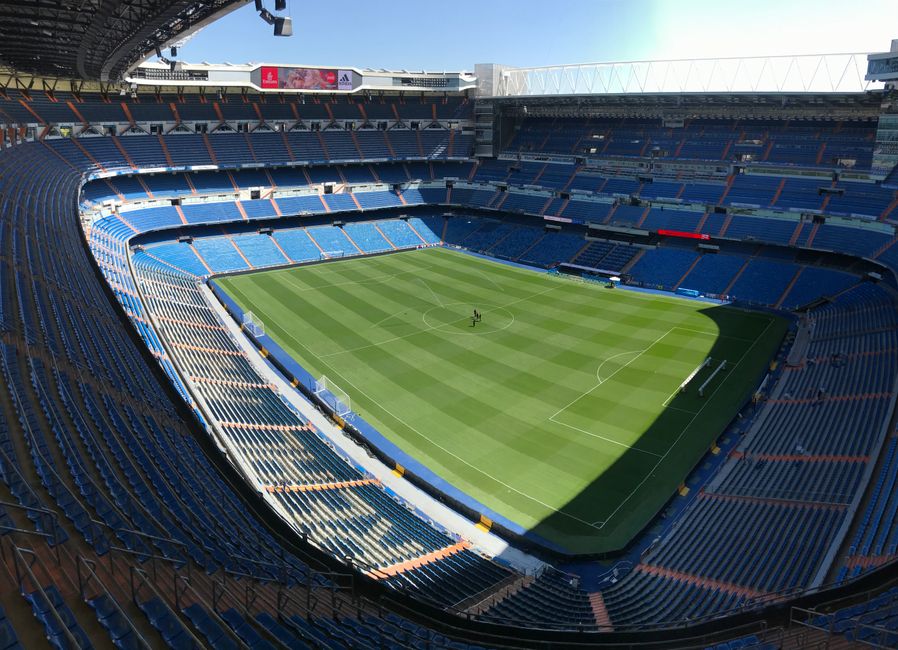
The club, founded in 1962, has become the unlikely story gripping Madrid's amateur sports circuit. Playing at the compact Campo de San Blas facility in the heart of Chamartín—a stadium that holds barely 800 spectators—CD Chamartín currently sits atop their eight-team group with 68 points from 32 matches, four clear of second place with two fixtures remaining. Their consistency has been remarkable: just two defeats all season and a goal differential of +34.
What makes their surge particularly compelling is the composition of their squad. At an average age of 27, this is no collection of hungry teenagers chasing dreams. Rather, they're working professionals—accountants, teachers, construction workers—who've turned Sunday matches into something genuinely special. Club membership costs just €180 annually, a fraction of what Madrid's more prominent amateur institutions charge, yet their training facilities and coaching staff have drawn quiet admiration across the regional circuit.
The financial backdrop deserves mention. Madrid's amateur football landscape has contracted significantly over the past decade, with several established clubs dissolving due to economic pressure. CD Chamartín's survival, let alone advancement, reflects shrewd management. Their annual operating budget hovers around €45,000, sourced primarily from local business sponsorships and gate receipts that typically range from €200 to €600 per match.
Local media interest has intensified dramatically since May, when CD Chamartín defeated rival Deportivo Aravaca 3-1 to secure their mathematical promotion prospects. The victory was witnessed by approximately 650 supporters—their largest attendance this season—many having made the short pilgrimage down from surrounding neighbourhoods like Tetuán and Cuatro Caminos.
The club's success has already triggered discussions about infrastructure expansion. Current facilities, whilst adequate for Segunda Regional competition, would require upgrades for Tercera División matches. The Madrid municipal sports authority has indicated preliminary willingness to discuss Campo de San Blas improvements should promotion be confirmed.
With their final matches against lower-table sides approaching, CD Chamartín appears destined to write a new chapter in their modest but proud history. In an era where commercial football dominates headlines, their achievement reminds us why grassroots sport remains the genuine heartbeat of Madrid's sporting culture.
This article was compiled by AI from the sources linked above and screened before publishing. See our editorial standards.