Madrid's sporting infrastructure stands ready for one of its busiest seasons on record. As we enter late June 2026, the capital's premier venues are conducting final preparations for a cascade of high-stakes finals and championship events that will define the summer across football, basketball, and athletics.
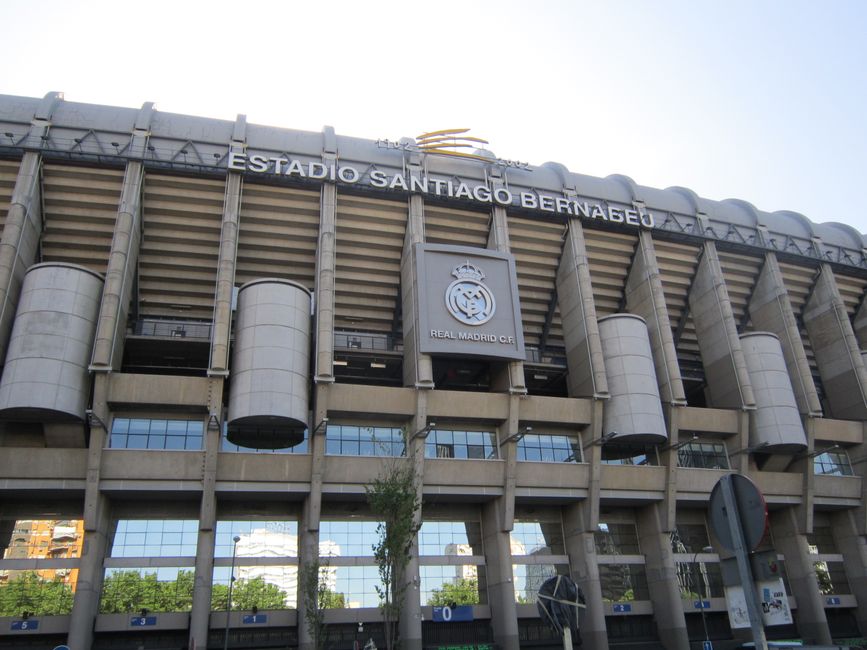
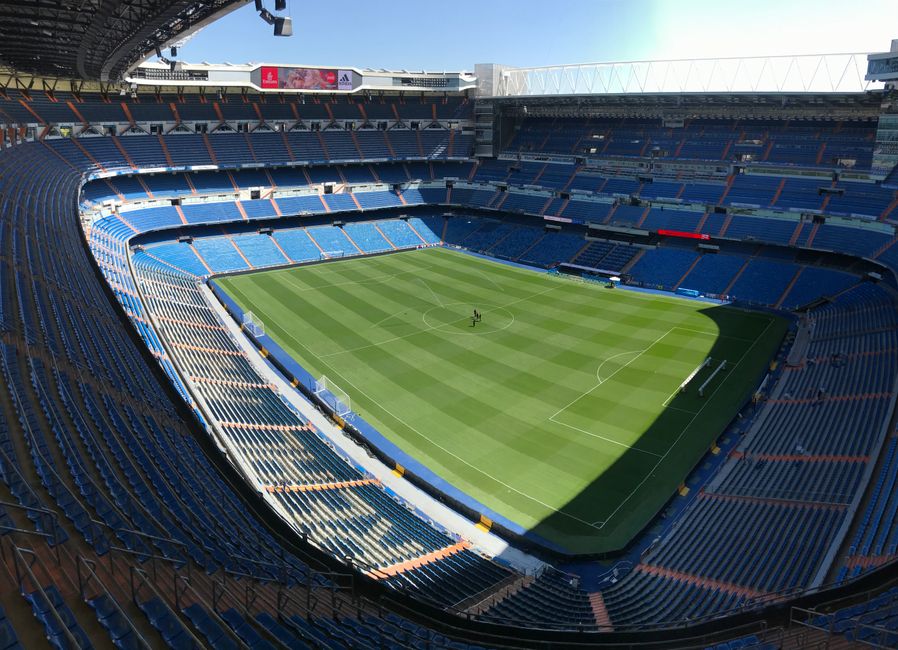
The Santiago Bernabéu, nestled in the Chamartín neighbourhood, remains the focal point of Madrid's sporting calendar. Europe's oldest continuously operating stadium has undergone significant renovations in recent years, increasing capacity and modernising facilities. Real Madrid's involvement in continental competitions means the Bernabéu will host multiple knockout matches through July, with ticket prices reflecting the intensity—premium seats for finals reaching €450 across the secondary market.
Across the city in the south, the Estadio Metropolitano in the San Blas neighbourhood serves as Atlético Madrid's fortress. Its modern infrastructure and 68,000-seat capacity make it equally vital to Madrid's summer fixture schedule. Expect significant congestion on Avenida de Pearson and surrounding areas on match nights, with local transport authorities implementing special bus routes to handle crowds.
Beyond football, Madrid's WiZink Center on Avenida de Brasil has established itself as Europe's premier indoor venue. The basketball palace will host multiple semi-finals and finals across continental competitions, with capacities exceeding 16,000 for standing-room events. Parking in the surrounding Chamartín district has become increasingly competitive, with rates climbing to €8 per hour during major events.
The Pabellón de la Comunidad de Madrid in the north has also gained prominence, hosting handball finals that draw thousands of passionate supporters. These mid-sized venues prove equally crucial to Madrid's summer narrative, often overlooked but central to the capital's sporting identity.
For athletics enthusiasts, the Estadio de la Comunidad de Madrid in the northwest will host several Spanish Championship finals, culminating in track-and-field spectacles that showcase emerging talent. Entry remains affordable at €15-35, making these events accessible to casual sports fans exploring Madrid's diverse sporting culture.
Transport remains the critical variable. Metro Lines 1 and 10 serve most major venues, though match-day planning should account for 15-20 minute delays. The city has increased security protocols across all facilities, implementing bag checks and mobile phone restrictions at high-profile events.
Madrid's venue ecosystem reflects a city that has matured as a sporting capital. Whether watching from the Bernabéu's historic stands or exploring smaller arenas across the city's neighbourhoods, this summer promises extraordinary competitive moments. Advance booking remains essential—finals availability is already approaching 60-70 percent capacity across major events.
This article was compiled by AI from the sources linked above and screened before publishing. See our editorial standards.