Club de Natación Madrid Norte is riding a wave of momentum as the aquatic calendar accelerates toward summer's most prestigious continental competition. The club, nestled in the Chamartín neighbourhood near the Paseo de la Castellana, has achieved what many considered unlikely just two seasons ago: qualifying multiple relay squads for the European Club Championships in Budapest, with preliminaries beginning in mid-July.
The turnaround reflects a systematic investment in coaching infrastructure and facility upgrades at the club's 50-metre Olympic pool on Calle de Agustín de Foxá. Over the past eighteen months, the club has recruited three international-level coaches and established a dedicated sports science unit—amenities previously available only to Madrid's elite metropolitan clubs. Annual membership fees have risen modestly to €1,200 for competitive swimmers, yet enrolment has climbed 34 per cent, suggesting the membership recognises the value proposition.
What sets this season apart, according to regional swimming federation data, is the breadth of success. Madrid Norte has produced competitive 4x200-metre freestyle relay teams in both the junior and senior categories, along with a mixed relay unit that finished second in the Spanish national trials—a result that would have been unthinkable three years ago when the club struggled to field complete squads in certain age categories.
The club's rise intersects with broader trends in Madrid's recreational aquatics landscape. Investment in public facilities across the city's twenty-one municipal districts has expanded access to swimming coaching, yet private clubs like Madrid Norte continue to attract serious swimmers through specialised programming. The club's emphasis on stroke technique and endurance work has resonated particularly with the 16-to-22 demographic, historically underrepresented in Spanish club swimming.
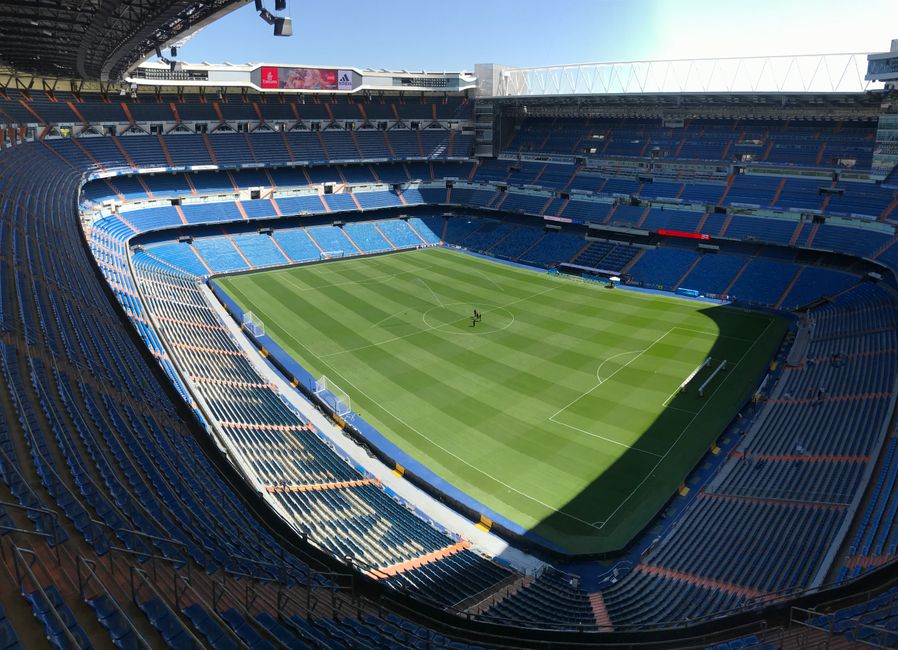
Local observers note the club's success owes partly to its geographic position. Situated between the Bernabéu stadium district and Chamartín's residential corridors, Madrid Norte draws from a catchment of approximately 280,000 residents—a demographic that has increasingly prioritised competitive sport and wellness activities post-pandemic.
The European Club Championships represent the logical next step. Competition in Budapest will pit Madrid Norte's relay units against established programmes from Italy, France, and Great Britain. While medals appear unlikely, qualification alone signals institutional maturation and validates the club's strategic direction heading into 2027, when Madrid will host preliminary rounds of the LEN European Aquatics Championships.
For the swimmers themselves—most juggling university schedules alongside training camps—the European stage offers rare opportunity. Few Spanish club swimmers experience international competition outside national team contexts.
This article was compiled by AI from the sources linked above and screened before publishing. See our editorial standards.