Madrid's sporting infrastructure tells the story of a city that refuses to rest on its laurels. As the capital hosts increasingly ambitious competitions and attracts global sporting talent, the venues and facilities undergirding this ecosystem have undergone a quiet revolution—one that extends far beyond the gleaming facades of its most famous stadiums.
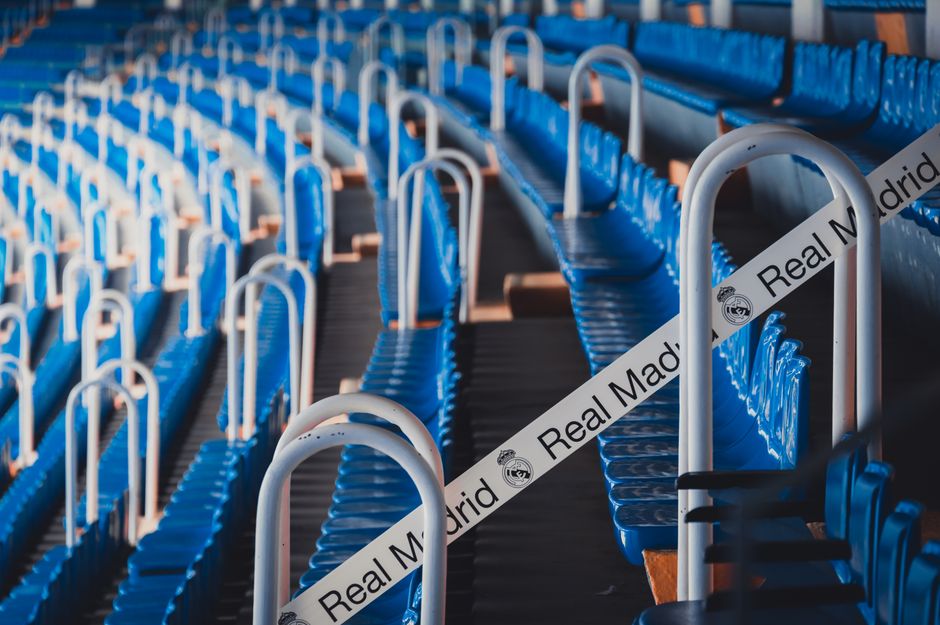
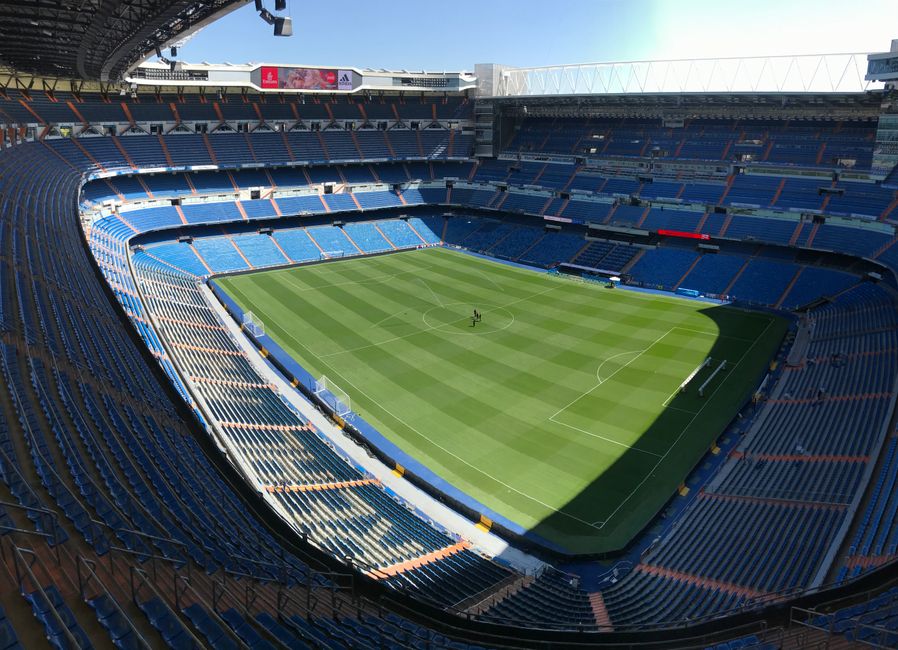
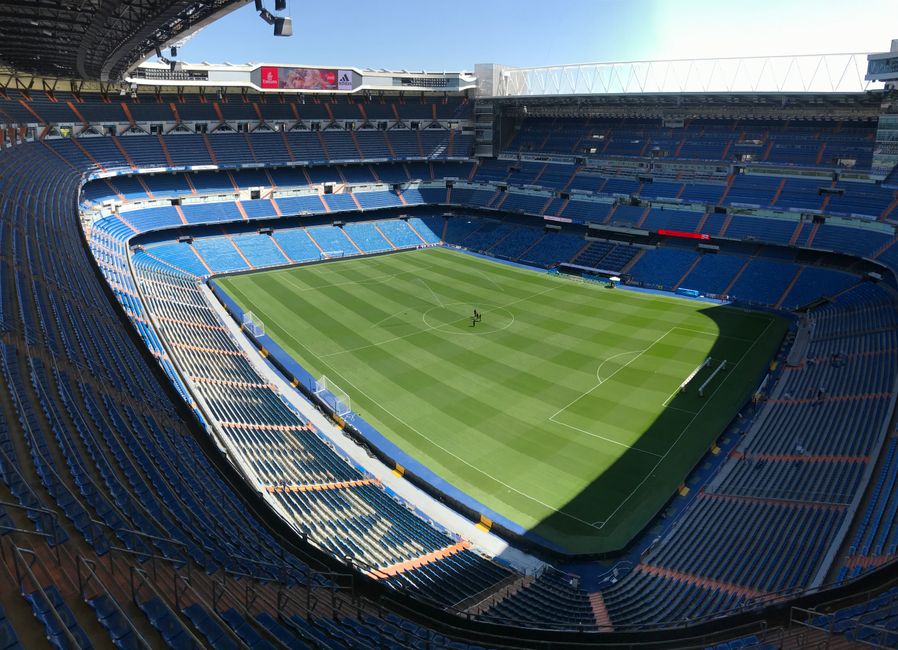
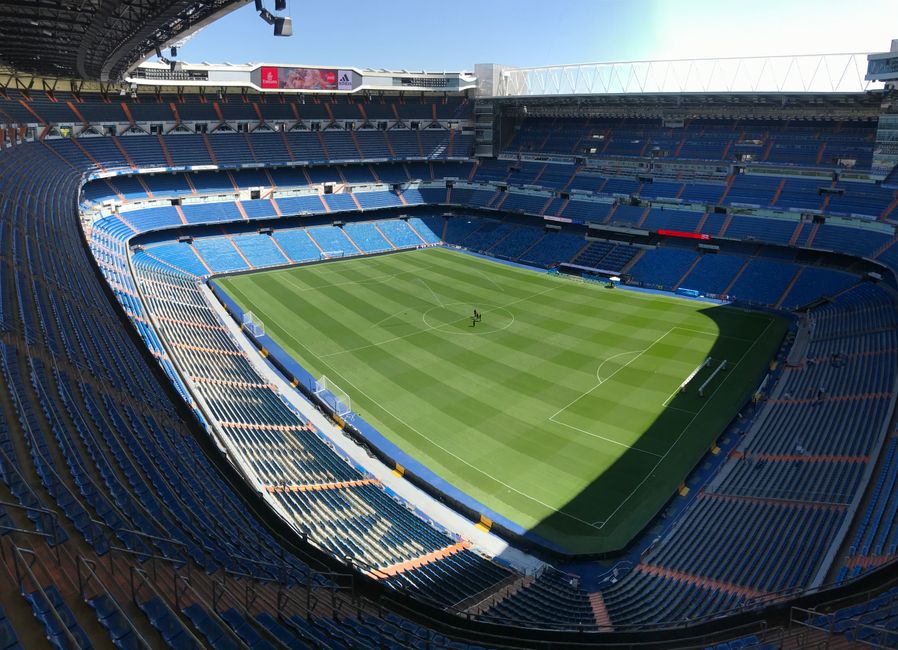
The Estadio Santiago Bernabéu, currently undergoing its €575 million renovation on the Paseo de la Castellana, symbolizes this ambition. When completed later this year, the modernized 81,044-capacity venue will feature state-of-the-art hospitality suites, enhanced accessibility for disabled supporters, and a retractable pitch that will host everything from football to concert events. Yet the Bernabéu is merely the flagship in a constellation of facilities transforming the sporting landscape across the city's neighbourhoods.
In the southern reaches of Vallecas, the Estadio de Vallecas remains a compact, passionate fortress at 14,716 capacity, while the Metropolitano stadium—located in the San Blas-Canillejas district—holds 68,456 spectators and has become increasingly important for hosting European competitions and major events, with recent upgrades to its transportation links via the Metro Line 7 expansion making it more accessible to the broader metropolitan area.
Beyond football, Madrid's tennis infrastructure rivals any European capital. The Mutua Madrid Open, held annually at the Caja Mágica complex in the Arganzuela neighbourhood, utilizes retractable roof technology across multiple courts, generating approximately €350 million in annual economic impact for the city. The venue's 12,500-seat central court hosted the ATP Finals until 2023 and continues hosting elite-level women's and men's tournaments.
Swimming, basketball, and athletics benefit from the Centro de Tecnificación Deportiva de Boadilla del Monte, located 20 kilometres northwest of the city centre. This facility, operated by the Madrid regional government, provides subsidized training for aspiring athletes and has produced numerous national champions across multiple disciplines.
Perhaps most telling is the proliferation of public sporting facilities across Madrid's 21 districts. The city operates over 150 municipal sports centres offering subsidized access, with annual memberships averaging €250—significantly below European comparatives. This democratization of infrastructure means that world-class training environments aren't exclusively preserved for elite clubs.
As Madrid eyes potential future Olympic bids and continues strengthening its position as Europe's sporting capital, these interconnected facilities—from the monumental to the municipal—form the genuine foundation of sporting excellence. The headlines may focus on trophies and triumphs, but the infrastructure quietly ensures Madrid remains where athletes aspire to compete.
This article was compiled by AI from the sources linked above and screened before publishing. See our editorial standards.