Madrid's Football Infrastructure Under Strain as Club Demands Outpace Stadium Investment
As the capital's elite teams push for European dominance, ageing facilities and limited training grounds threaten to hold back the city's footballing ambitions.
As the capital's elite teams push for European dominance, ageing facilities and limited training grounds threaten to hold back the city's footballing ambitions.
Madrid's football ecosystem is creaking under pressure. While the city's two global superpowers continue to dominate European competition, the infrastructure supporting them—and the dozens of smaller clubs scattered across the city's neighbourhoods—tells a more complicated story.
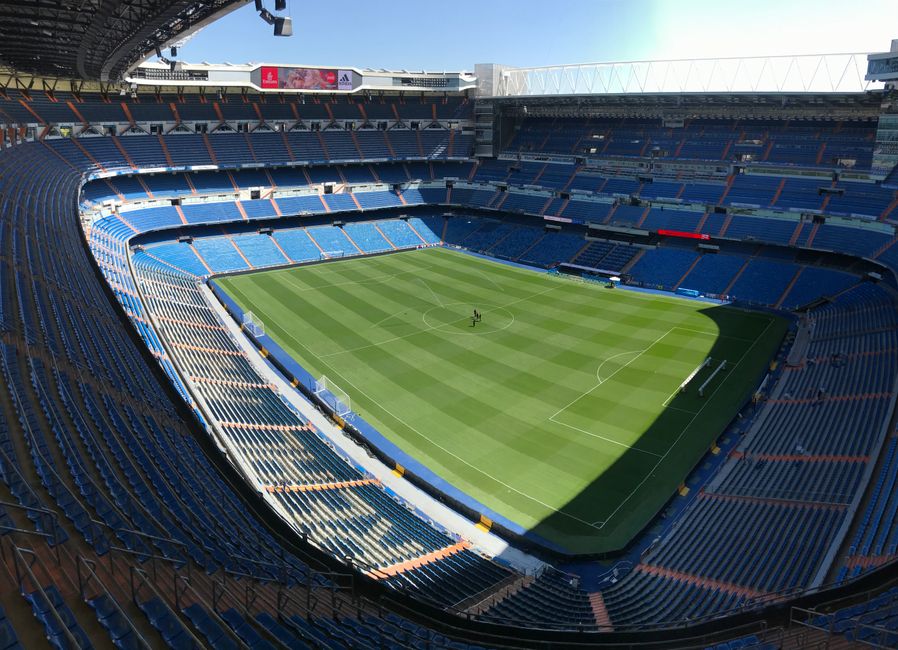
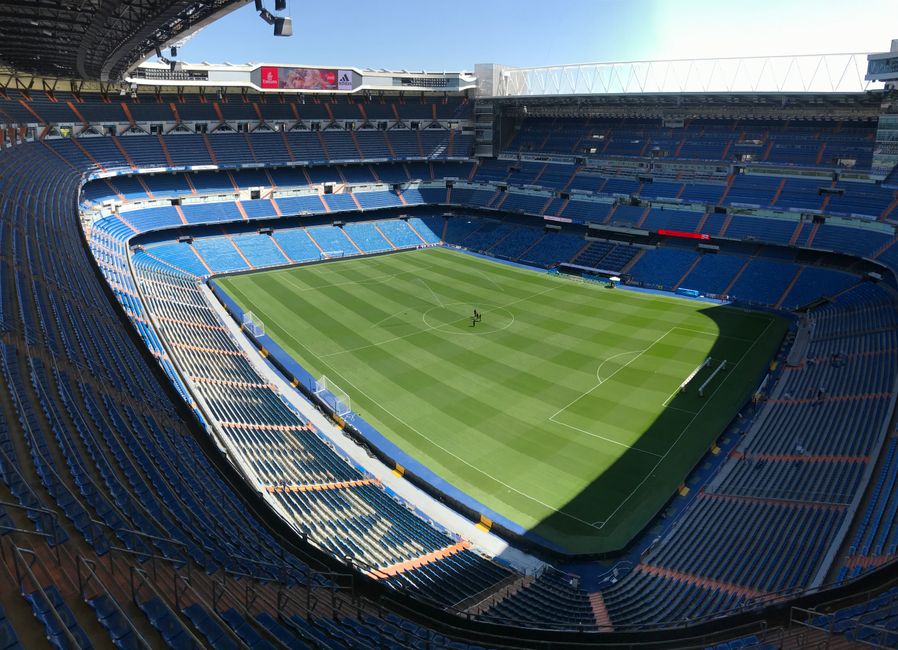
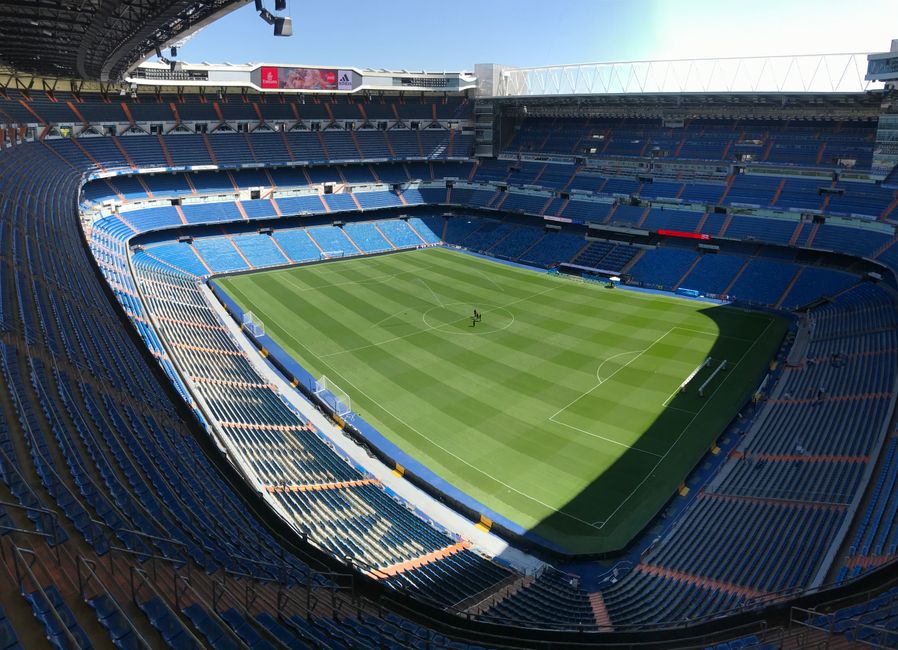
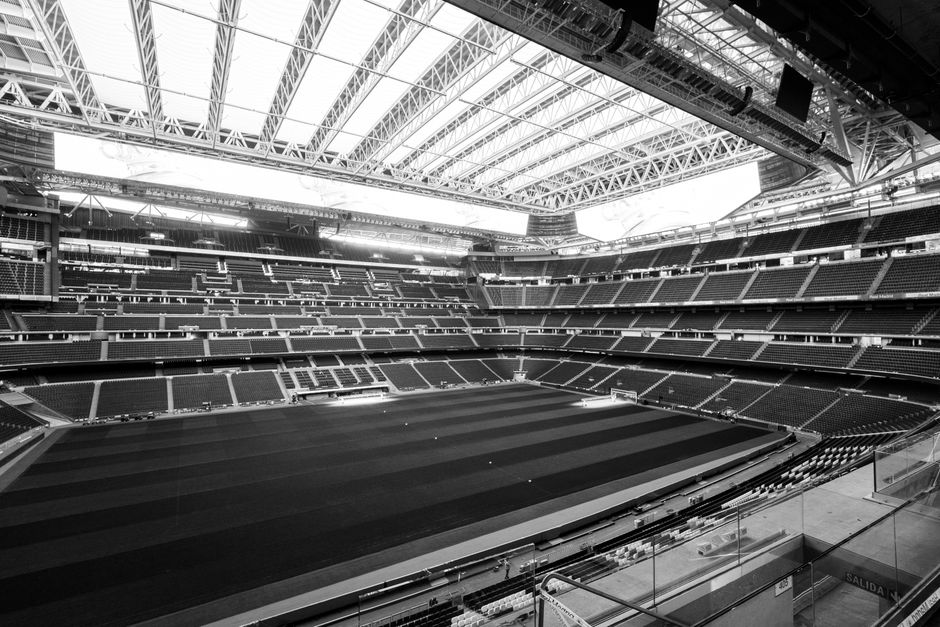
The Estadio Santiago Bernabéu, home of Real Madrid since 1947, has undergone significant modernisation in recent years, with renovations exceeding €500 million. Yet even this prestigious venue faces constraints. The stadium's capacity of 81,044 remains smaller than several rivals across Europe, and parking remains notoriously difficult for match days across the Chamartín district.
Atlético Madrid's Metropolitano, opened in 2017 in the San Blas-Canillejas neighbourhood, represents a more contemporary approach—a 68,000-capacity arena built on a former industrial site. However, accessibility to the stadium via public transport remains problematic, with metro connections requiring renovation work that city planners have repeatedly delayed.
The real crisis emerges at grassroots level. Madrid's municipal sports centres—concentrated in neighbourhoods like Carabanchel, Usera, and Puente de Vallecas—operate under severe budget constraints. Youth football academies report waiting lists exceeding 500 players in some districts, while training pitch availability has fallen by nearly 12% over the past five years according to municipal data.
Private clubs have partially filled the void. The Real Madrid Foundation operates 18 training facilities across the metropolitan area, while Atlético Madrid's academy network spans nine centres. Yet these remain exclusive to fee-paying families, deepening inequality in access to elite coaching and facilities.
The Complejo Alfredo Di Stéfano, Real Madrid's primary training ground in Valdebebas on the city's northern edge, represents world-class infrastructure: 18 full-size pitches, hydrotherapy pools, and cutting-edge sports science facilities. Atlético's equivalent at Majadahonda offers comparable amenities. Meanwhile, smaller professional clubs like Rayo Vallecano and Getafe operate from considerably more modest facilities, competing at Segunda División or Segunda B level with training grounds that lack basic amenities.
City officials acknowledge the infrastructure gap. Madrid City Council's sports department budgeted €47 million for facility upgrades in 2026, yet demand far exceeds supply. New municipal pitches planned for Latina and Villaverde districts remain in planning stages, delayed by financing disputes.
As Madrid positions itself for the 2030 Olympics bid, questions persist: can the capital deliver world-class grassroots infrastructure while maintaining elite-level dominance? The answer will define Spanish football's future.
This article was compiled by AI from the sources linked above and screened before publishing. See our editorial standards.
How does this story make you feel?
Spread the word
About this article
Published by The Daily Madrid
Daily brief
Free, in your inbox before 7am. Weekdays.
More in Sport