Five Evidence-Based Stress Management Tactics That Actually Work in Madrid's Pace
Neuroscientists confirm what madrileños already know: the city's parks, social rhythm, and Mediterranean diet are genuine mental health tools—if you use them right.
Neuroscientists confirm what madrileños already know: the city's parks, social rhythm, and Mediterranean diet are genuine mental health tools—if you use them right.
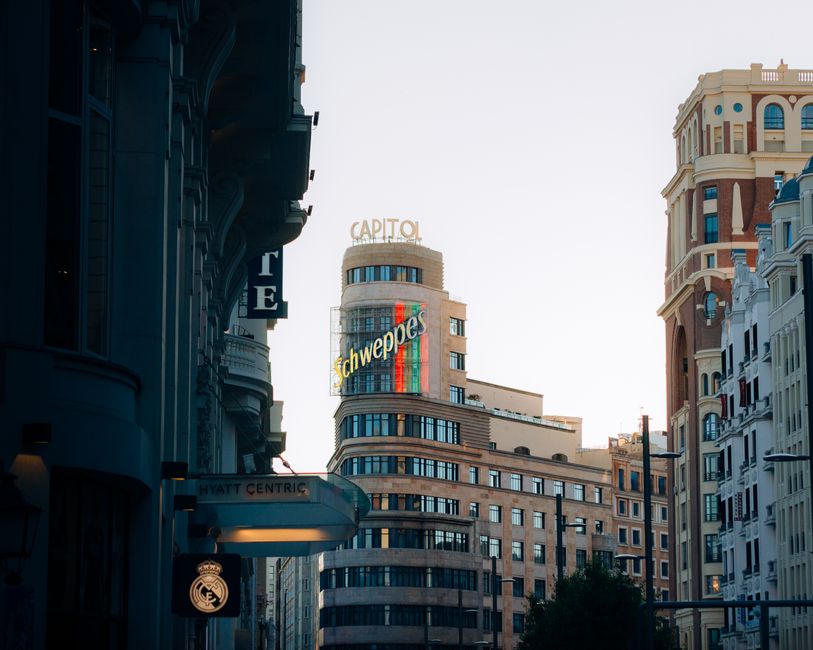
Madrid's relentless energy—the late dinners, the competitive work culture, the noise of 3.3 million residents—creates a particular kind of urban stress. But research shows the city itself contains proven antidotes. Here's how to deploy them.
1. Retiro Park as a clinical intervention
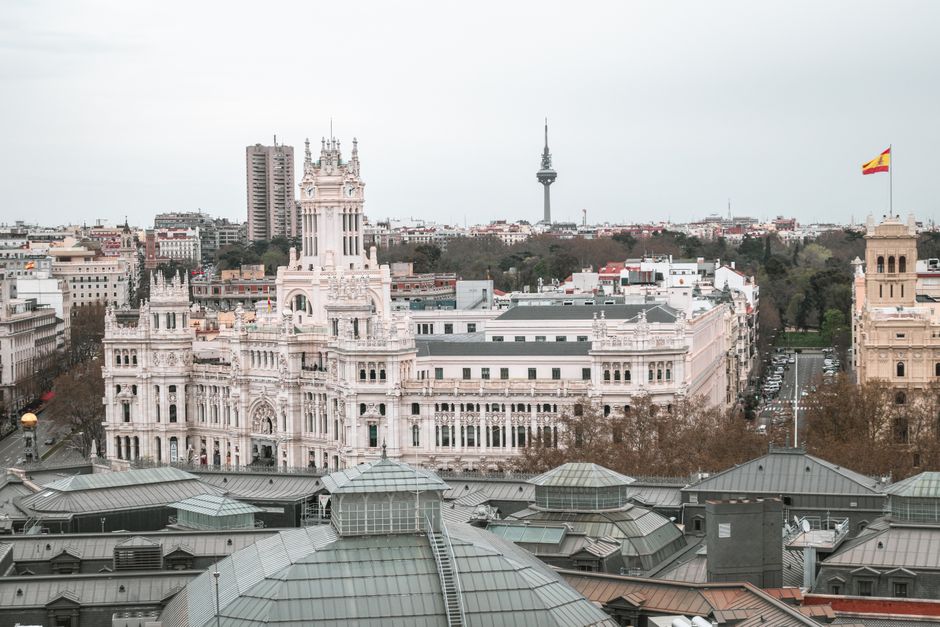
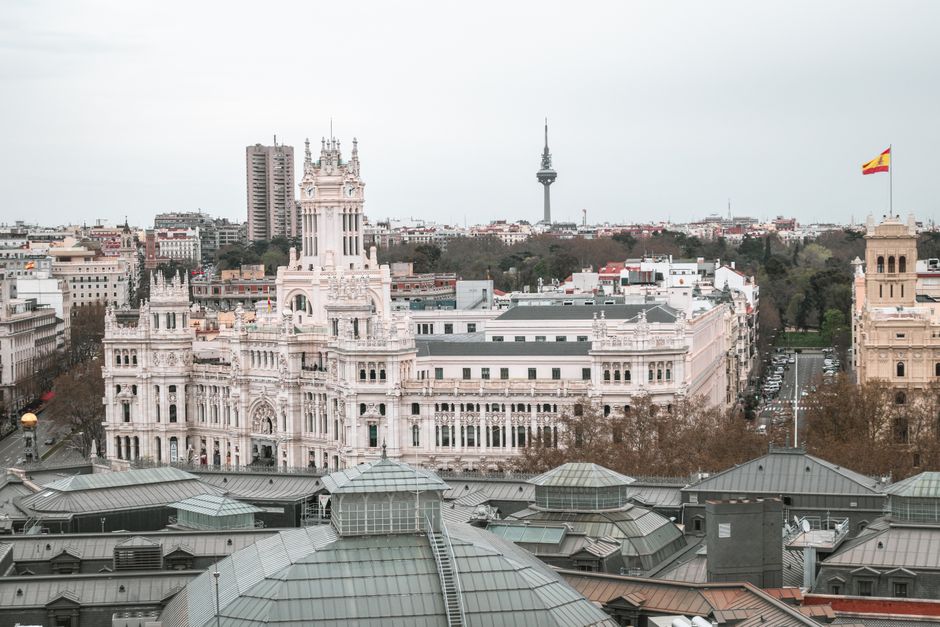
A 2023 study in *Environmental Research* found that 20 minutes in a green space reduces cortisol (the stress hormone) by measurable amounts. Retiro's 125 hectares aren't decoration; they're infrastructure. The Paseo de la República de Argentina entrance connects directly to the Crystal Palace—walk there during lunch, not as leisure but as medication. Cost: free. Efficacy: equivalent to mild anxiolytic effects.
2. Social dining as structural support
Spain's "social jetlag" differs from northern Europe's isolation-based stress. Madrid's tapas culture—small plates, multiple venues, extended groups—actually buffers against anxiety better than solitary meals. The neurochemistry is real: shared eating releases oxytocin. Neighbourhood spots in La Latina or around Mercado de San Miguel aren't inefficient; they're therapeutic. Budget €12-18 per person for genuine stress reduction.
3. Madrid Río's cycling rhythm
The 10km path along the Manzanares (opened 2011) offers what exercise neuroscience calls "rhythmic locomotion"—running or cycling at steady pace for 30 minutes triggers endogenous opioid release. Unlike gym treadmills, outdoor routes engage spatial awareness, reducing rumination. Local cycling groups meet weekends; structured social exercise amplifies mental health gains.
4. Timing your work to avoid peak stress windows
Madrid's 2pm-4pm lunch break isn't inefficient—it's neurologically sound. Studies show afternoon naps (even 20 minutes) restore prefrontal cortex function. If your employer allows it, use this window. If not, a walk through Barrio de las Letras replaces that benefit partially.
5. Structured mindfulness, not generic apps
Generic meditation apps show modest results (15% improvement in anxiety scores). Madrid's hospital network—including Instituto Clínico de Especialidades—offers evidence-based MBSR (Mindfulness-Based Stress Reduction) courses, typically €180-250 for eight weeks. These beat apps because they're localized, instructor-led, and embedded in your community.
The pattern is clear: Madrid's stressors are real, but so are its solutions. They're not mystical. They're neurobiological. Use them systematically, not occasionally, and your brain chemistry will respond.
This article was compiled by AI from the sources linked above and screened before publishing. See our editorial standards.
How does this story make you feel?
Spread the word
About this article
Published by The Daily Madrid
Daily brief
Free, in your inbox before 7am. Weekdays.
More in Wellness