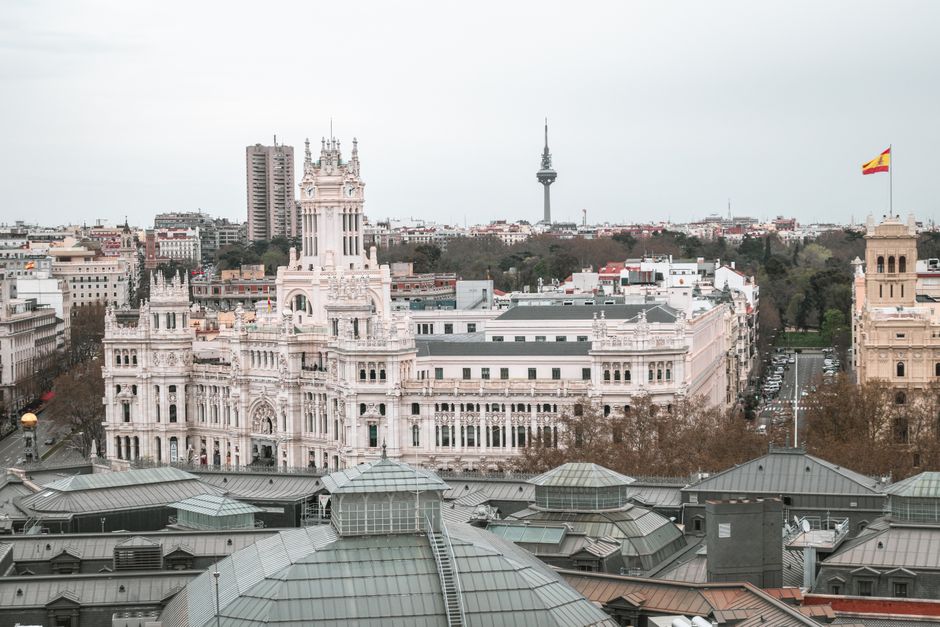
Walk down Paseo del Prado on any Tuesday morning and you'll spot the pattern: clusters of older adults moving deliberately between Retiro Park's entrance and the Angel Caído monument, many with walking poles, all with purpose. These aren't tourists—they're Madrid's active-ageing pioneers, and they've cracked a code that Spain's health authorities are quietly celebrating.
The Spanish Society of Geriatric Medicine reported last year that Madrid's 65+ population engaging in structured daily movement routines shows 34% fewer mobility issues than their sedentary peers. But the real story isn't in statistics; it's in habit.
The 10,000-step ritual remains foundational. Retiro Park's 125 hectares provide gentler terrain than city streets, and the three-kilometre circuit around the lake has become an informal senior hub. But locals have evolved beyond simple walking. Many now combine movement with social obligation—Wednesday morning tai chi sessions at the Casa de América cultural centre (Paseo Recoletos) draw over 60 participants weekly, blending mobility work with community.
Water-based movement has gained traction too. The municipal pools at Casa de Campo charge €4.50 per session for residents over 65, and aqua-aerobics classes—which reduce joint stress by 90%—now run four times weekly across Madrid's district centres. Locals report this is the single biggest shift protecting knees and hips.
The afternoon siesta-walk swap is distinctly Madrileño. Rather than resting indoors, many now use 2–4 p.m. for a gentle stroll along Madrid Río's shaded cycling path. The cooler microclimate near water, combined with flat terrain, makes this prime time for joint-friendly movement during summer months.
Strength moments embedded in daily life matter most. Locals describe holding the metro handrail with intention—deliberately engaging arms and core rather than leaning—or choosing stairs at Plaza Mayor's surrounding passages instead of lifts. These micro-habits accumulate: Spanish research shows 15 minutes daily of incidental resistance activity improves lower-body stability as effectively as formal gym sessions.
Finally, the Mediterranean plate ritual anchors it all. Combined with movement, the traditional Spanish diet—olive oil, legumes, seasonal vegetables at neighbourhood markets like Mercado de la Paz—provides the anti-inflammatory foundation that keeps joints supple.
None of this requires membership fees or special equipment. It requires neighbourhood knowledge, consistency, and the Madrileño instinct to turn movement into social and cultural practice. That's the blueprint.
This article was compiled by AI from the sources linked above and screened before publishing. See our editorial standards.