Yoga Studios Madrid: Local Scene vs Global Wellness Trends
Discover how Madrid's affordable yoga and meditation studios compare to expensive global wellness hubs. Explore accessible practice in Salamanca and Retiro.
Discover how Madrid's affordable yoga and meditation studios compare to expensive global wellness hubs. Explore accessible practice in Salamanca and Retiro.
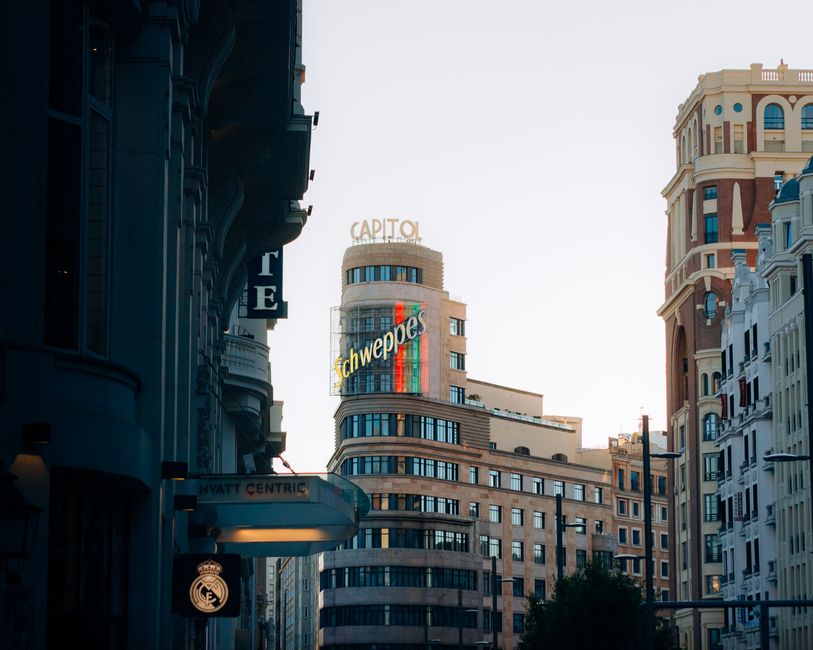
Walk through the Salamanca neighbourhood on any given Tuesday evening, and you'll find studio lights glowing in converted townhouses along Calle Claudio Coello. Madrid's yoga scene has quietly matured over the past five years, moving beyond the Instagram-friendly poses that dominate global wellness feeds to embrace a more grounded, meditative approach rooted in the city's own rhythm.
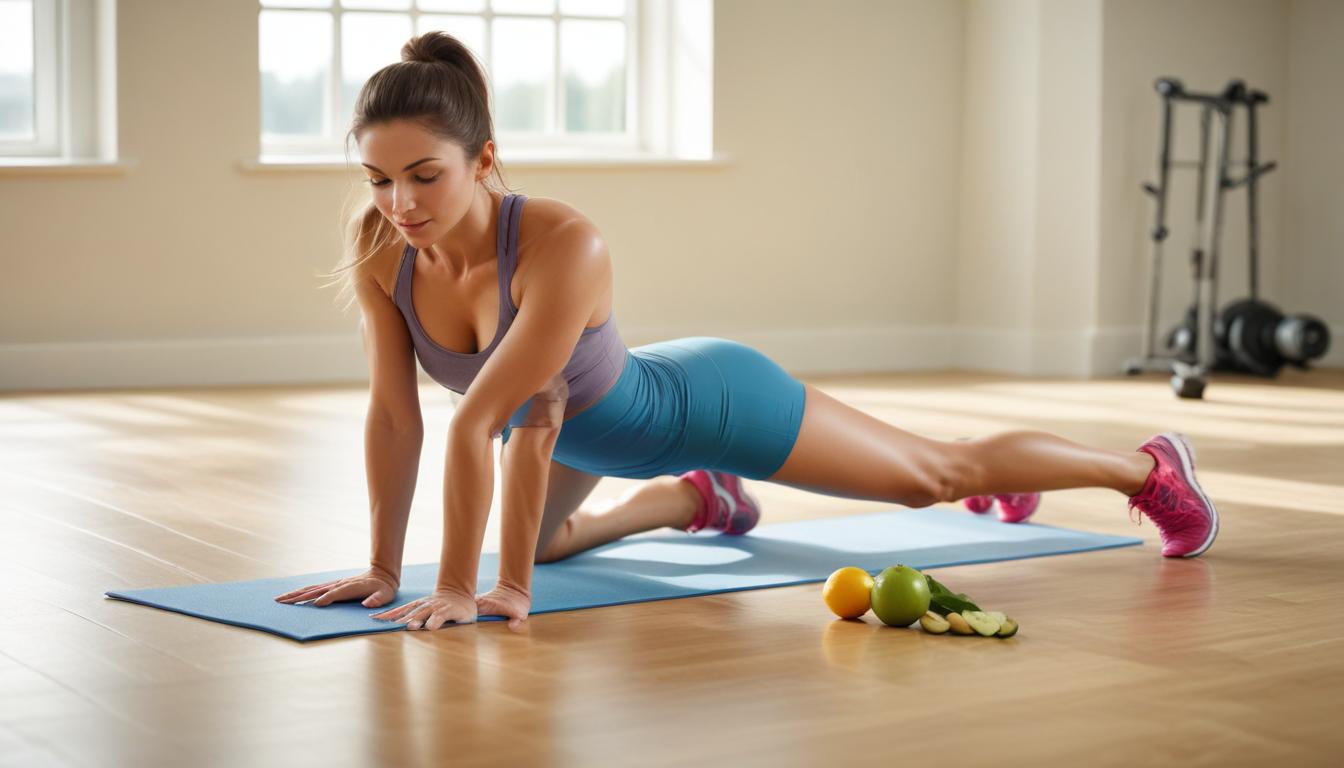
The numbers tell a story. Spain's yoga market reached approximately €120 million in 2024, with Madrid accounting for roughly 35 per cent of that figure. Yet unlike New York or London, where luxury 'hot yoga' studios command €25–30 per session, Madrid's established studios—from Yoga Espacio in Chamberí to centres around Retiro Park—average €12–18 per class. This accessibility has quietly democratised practice across income brackets, a contrast to the elite wellness positioning seen in other European capitals.
What's distinctly Madrid is how local culture has shaped practice. The city's famous outdoor social life—think evening paseos along Madrid Río or aperitivo culture—hasn't competed with yoga's growth; it's complemented it. Many practitioners integrate meditation into their existing routines: dawn sessions before work near the Retiro's pine groves, or evening classes that slot naturally into the later Spanish schedule. The Mediterranean diet philosophy, already embedded in local life, aligns naturally with yoga's holistic principles in ways that feel organic rather than imported.
Global trends emphasise metrics: app-tracked meditation streaks, wearable heart-rate data, certification accumulation. Madrid's community tilts differently. Meditation circles in neighbourhood libraries, free practitioner gatherings, and informal teacher-student relationships remain common. The city's top-tier hospital network, including HM Hospitales and Quirónsalud, increasingly integrate yoga and breathing practices into physiotherapy protocols—a pragmatic, health-first approach less prominent in trend-driven markets.
That said, Madrid isn't immune to global pressures. Luxury studios in Retiro and Paseo de la Castellana have emerged, targeting affluent neighbourhoods with premium pricing. Online classes expanded during the pandemic and remain popular, though attendance data suggests locals prefer in-person community.
The distinction is subtle but meaningful. While global wellness often chases novelty and performance, Madrid's yoga culture seems anchored in something steadier: integration into daily life, affordability, and connection to existing social patterns. Whether this represents genuine sustainability or simply slower adoption remains to be seen—but for now, the city's approach feels refreshingly unglamorous.
This article was compiled by AI from the sources linked above and screened before publishing. See our editorial standards.
How does this story make you feel?
Spread the word
About this article
Published by The Daily Madrid
Daily brief
Free, in your inbox before 7am. Weekdays.
More in Wellness