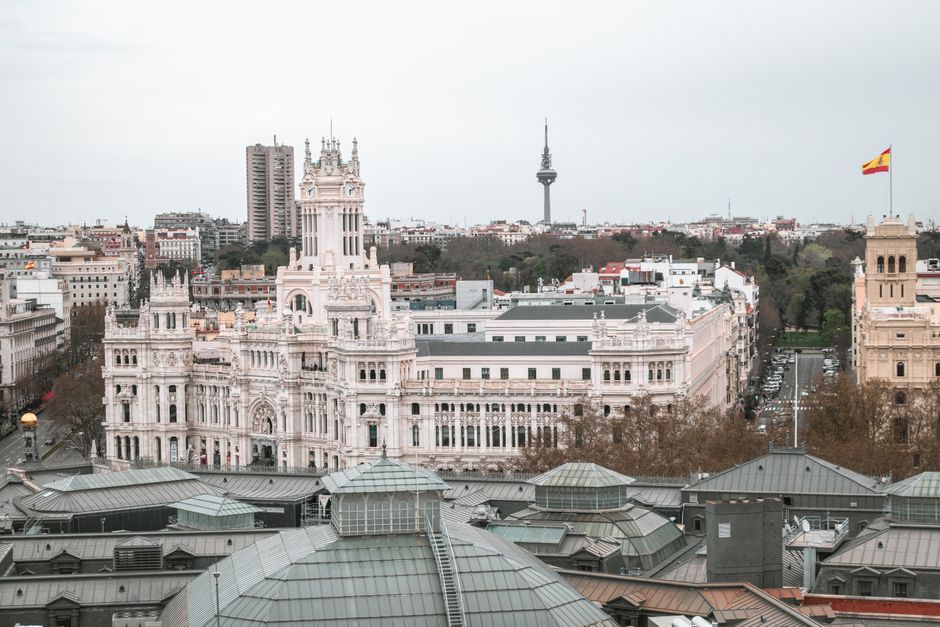
On any given Saturday morning, dozens of Madrileños gather near the Crystal Palace in Retiro Park for guided breathing exercises and walking meditation. What started three years ago as an informal neighbourhood initiative has evolved into a thriving wellness community, reflecting a broader shift in how the capital's residents approach mental health.
According to a 2025 Madrid Health Observatory report, 34% of the city's working population experiences moderate to high stress levels, with burnout cited as the leading cause. Yet the same study found that individuals engaged in regular community-based mindfulness practices reported a 42% improvement in sleep quality and reduced anxiety markers within six months.
The transformation isn't confined to parks. In the Chamberí neighbourhood, small businesses along Calle Rodríguez San Pedro have begun incorporating five-minute mindfulness breaks into their routines. One marketing agency near Plaza de Olavide reports that introducing twice-weekly guided sessions has decreased sick leave by 18% while boosting team morale. The sessions cost participants nothing—funded by the agency's wellness budget—making mental health support accessible rather than exclusionary.
Community centres across Madrid are also stepping up. The Distrito Centro's municipal wellness programme now offers weekly stress-management workshops at nominal cost (€3 per session), with sessions conducted in both Spanish and English. Demand has grown so substantially that waiting lists now stretch six weeks.
The Madrid Rio cycling path has become an unexpected mental health corridor, with psychologists noting that outdoor movement combined with natural scenery significantly reduces cortisol levels. Regular cyclists report that the 7-kilometre stretch from Arganzuela to Casa de Campo provides both physical activity and meditative space—essential ingredients for sustainable wellbeing.
What makes these transformations distinctly Madrileño is their social foundation. Unlike isolated wellness apps or expensive private therapy, these initiatives thrive on community participation and the city's deep-rooted culture of public gathering. The afternoon paseo, traditionally a social ritual, has evolved into a wellness practice—neighbours walking together, talking openly about stress and mental health without stigma.
Mental health professionals emphasise that no single intervention works universally. However, the consistency emerging from Madrid's grassroots initiatives suggests that accessible, community-centred approaches—whether meditation in Retiro, workplace breathing exercises, or simply walking with neighbours—create sustainable change. As one district health coordinator noted, transformation happens not in isolation but in connection.
For those interested in exploring local options, most neighbourhoods now host free or low-cost mindfulness groups. Consulting a local healthcare provider can help identify programmes suited to individual needs.
This article was compiled by AI from the sources linked above and screened before publishing. See our editorial standards.