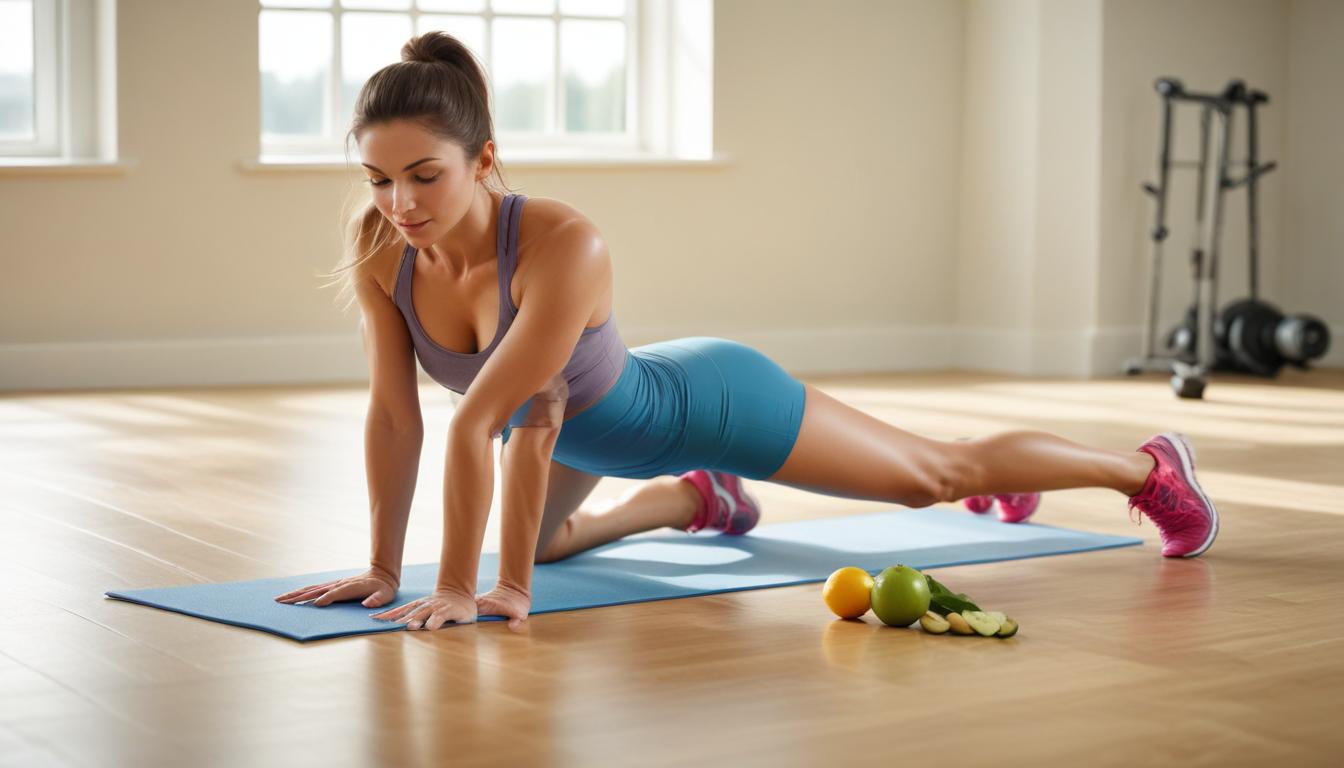
Madrid's council-run sports facilities have quietly become the city's most accessible fitness backbone. With over 60 municipal sports centres (Centros Municipales de Actividades Deportivas) spread across all 21 districts, group exercise classes represent an underused wellness resource for residents seeking affordable, neighbourhood-based fitness.
The appeal is straightforward: a single monthly pass costs between €15–€25 depending on your district, granting access to multiple facilities and dozens of weekly classes. Compare this to private gym memberships averaging €50–€80 monthly, and the value becomes evident. Yet beyond price, these centres cultivate genuine community—regular participants often describe them as social anchors, not transactional fitness spaces.
Popular offerings vary by location but typically include aerobics, pilates, yoga, spinning, and aquatic exercise. The Chamartín district centre on Calle María de Molina hosts well-regarded strength-training circuits and functional fitness classes. Over in Retiro, the Parque de Atracciones sports centre runs water aerobics sessions favoured by older adults recovering from injury—a quiet success story in preventative health. Usera's municipal pool offers aquatic therapy groups twice weekly, particularly popular with those managing joint concerns.
Booking remains refreshingly straightforward. Madrid's municipal sports portal (www.madrid.es/deportes) allows online registration for classes up to two weeks in advance. Peak times—18:00–19:30 on weekdays—fill quickly, particularly for evening yoga and pilates. Morning sessions (09:00–11:00) tend to have more availability and attract a different demographic: early retirees, shift workers, and parents with flexible schedules.
Quality control varies. Instructors are qualified municipal employees, though experience levels differ between centres. Word-of-mouth recommendations matter here; asking regular participants about specific instructors before committing saves disappointment. Some centres, particularly those in affluent neighbourhoods like Chamberí and Moncloa, feature newer equipment and frequently updated class rosters. Others, operating on tighter budgets, maintain reliable fundamentals without flash.
The social dimension deserves emphasis. These aren't isolated fitness transactions. Classes generate genuine community connection—participants often extend sessions into coffee conversations, walking groups, or shared tapas outings along the nearby Madrid Río cycling paths. For those relocating to Madrid or seeking neighbourhood integration, a weekly group fitness class provides structured social entry.
For newcomers, start by visiting your district's municipal centre in person. Staff can explain membership options, show facilities, and suggest classes matching your goals. Most centres offer a free trial session.
This article was compiled by AI from the sources linked above and screened before publishing. See our editorial standards.