The rise of outdoor boot camps: what to expect
Madrid's fitness community is trading gyms for green spaces, and instructors say the trend is reshaping how locals approach exercise.
Madrid's fitness community is trading gyms for green spaces, and instructors say the trend is reshaping how locals approach exercise.
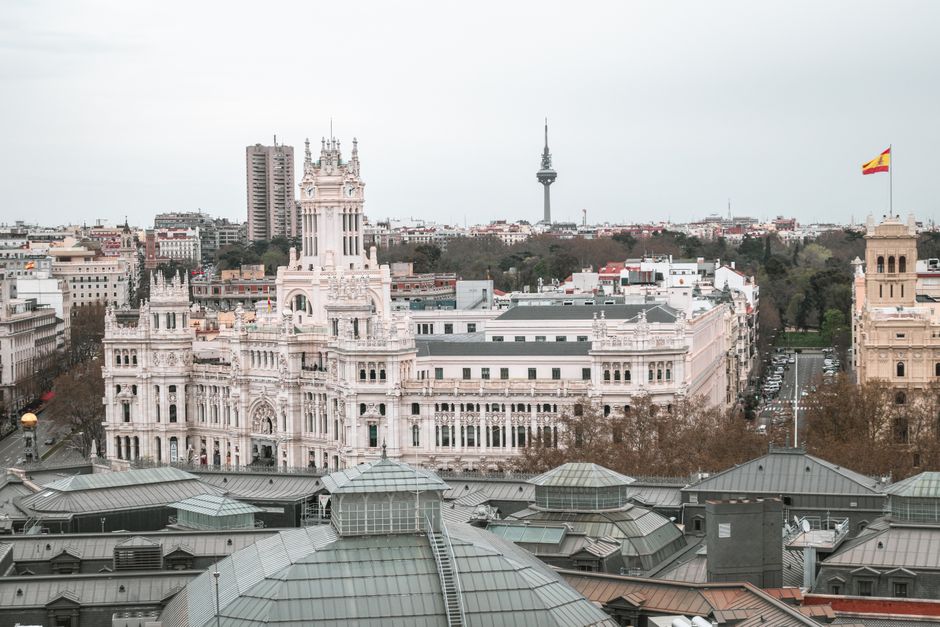
On any given Tuesday or Thursday morning, the gravel paths near the Retiro Park's Crystal Palace fill with dozens of madrileños in workout gear, moving through burpees and sprints under the supervision of certified trainers. This scene has become emblematic of a fitness shift sweeping the city: outdoor boot camps are no longer niche offerings but mainstream wellness programming that rivals traditional gym memberships in popularity and accessibility.
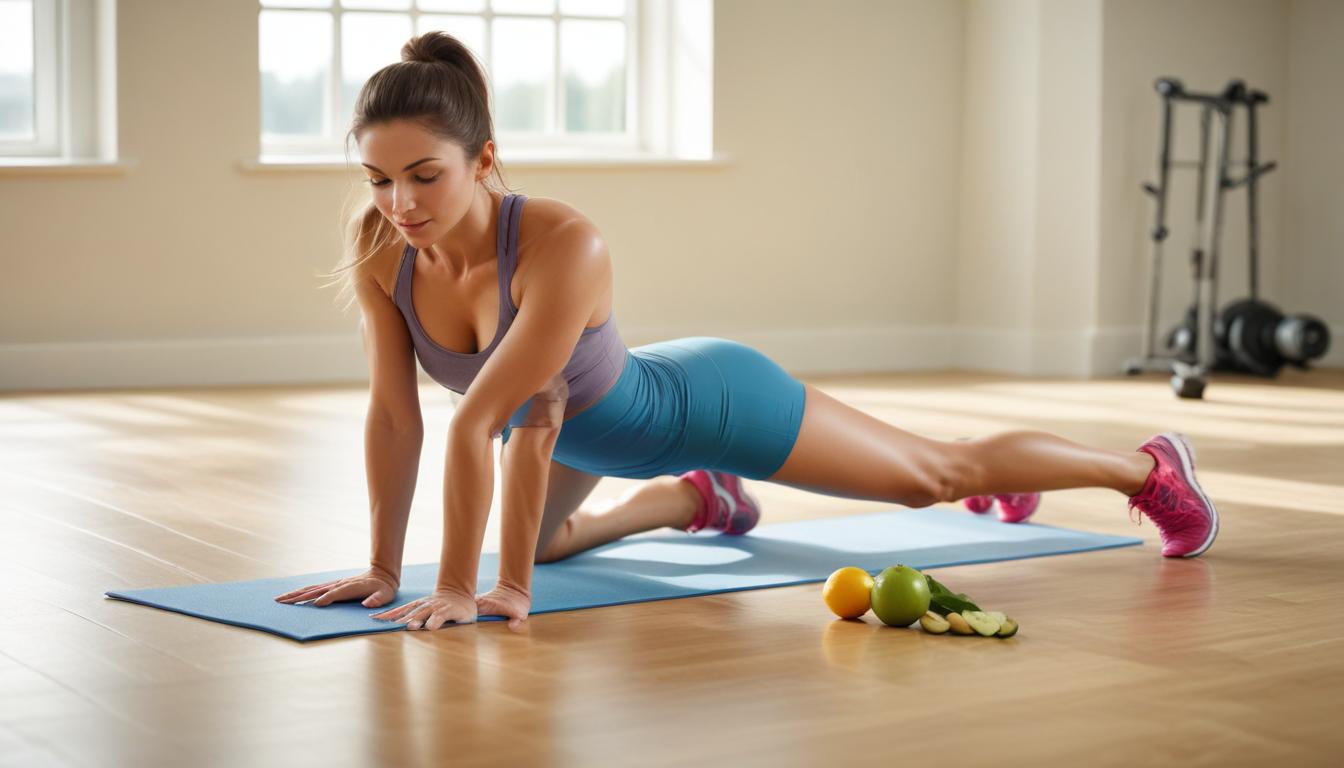
Data from Madrid's municipal sports department indicates that group fitness participation in public spaces increased by 34 percent between 2024 and 2026, with outdoor boot camps accounting for nearly half that growth. These structured, high-intensity programs typically run 45 to 60 minutes, combining cardio, strength work, and functional movements—often with minimal equipment beyond bodyweight and suspension trainers.
Classes cluster in three primary zones: Retiro Park and its eastern approaches, the Madrid Río cycling corridor near the Casa de Campo, and the Paseo de la Castellana green belt. Most operate on a drop-in or membership basis. Entry-level sessions range from €12 to €18 per class, while monthly packages start around €60 for two sessions weekly. Non-profit organizations and municipal recreation centers occasionally offer subsidized options for residents.
What explains the surge? Fitness professionals point to multiple factors. Madrid's climate permits year-round outdoor training. The social element—exercising alongside neighbors rather than strangers in fluorescent-lit rooms—appeals to a city culture emphasizing community gathering. There's also the Mediterranean wellness philosophy taking root: movement linked to fresh air, natural light, and public space rather than isolated consumption.
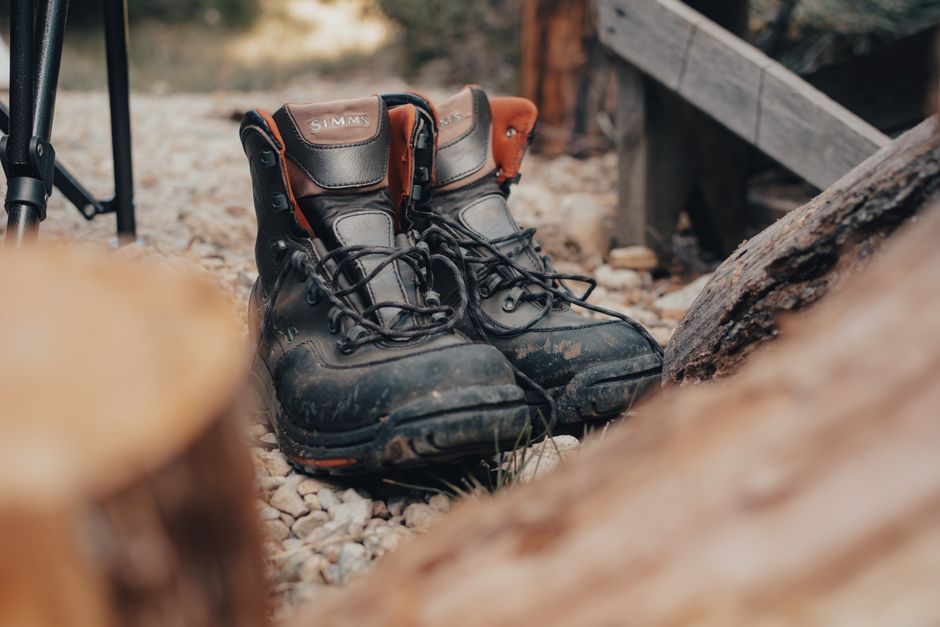
For newcomers, expectations should be calibrated. Boot camps demand effort—heart rates consistently reach 70 to 85 percent maximum capacity—but reputable instructors scale movements for different fitness levels. Most sessions accommodate absolute beginners alongside athletic participants. Arrive 10 minutes early for the first class to discuss modifications with your trainer. Bring water, sun protection, and footwear with ankle support; uneven ground requires stability.
The social infrastructure matters too. Many classes form informal communities; participants often gather for tapas afterward at nearby terrazas, transforming fitness into social ritual. This integration with Madrid's outdoor culture may be precisely why the trend has traction beyond typical gym enthusiasts.
If considering joining, start with 2 to 3 sessions weekly to assess impact on joints and recovery. Local physiotherapy networks, abundant throughout Madrid, offer injury prevention guidance—consultations recommended before commencing any new regimen.
This article was compiled by AI from the sources linked above and screened before publishing. See our editorial standards.
How does this story make you feel?
Spread the word
About this article
Published by The Daily Madrid
Daily brief
Free, in your inbox before 7am. Weekdays.
More in Wellness