Finding Calm in the City: How Madrid's Community is Transforming Mental Health Through Mindfulness
Local residents share how simple wellness practices in familiar neighbourhoods are reshaping their approach to stress and emotional resilience.
Local residents share how simple wellness practices in familiar neighbourhoods are reshaping their approach to stress and emotional resilience.
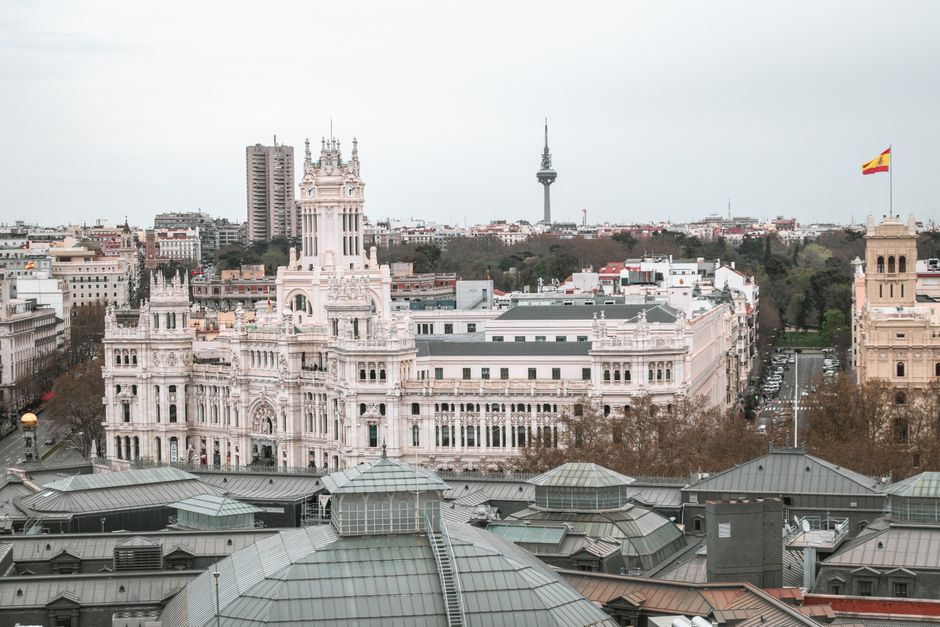
Madrid's relationship with wellness is shifting. While the city's vibrant social fabric—late dinners, spontaneous gatherings, the endless energy of neighbourhoods like Malasaña and Chueca—defines much of local life, an increasing number of residents are deliberately pausing to prioritise mental clarity alongside their active routines.
The transformation is happening quietly, in studios tucked behind ochre-coloured facades and alongside the Manzanares River. Mindfulness and stress-management programmes have gained traction across the city's established healthcare infrastructure, with Spain's top-tier hospital network now routinely integrating mental wellness into preventive care pathways. According to recent Spanish health surveys, over 38% of Madrid residents report managing moderate stress levels, a figure that wellness professionals say can be meaningfully addressed through accessible community practices.
Retiro Park, long celebrated as a green sanctuary, has become an informal hub for this movement. Early mornings see groups engaging in guided breathing exercises near the Paseo de Coches, while the park's tree-lined avenues provide natural settings for walking meditation—a practice requiring no membership or cost. Similarly, the Madrid Río cycling path, stretching 33 kilometres along the riverbank, has evolved beyond its original purpose; residents increasingly use it as a dedicated space for reflective movement, disconnecting from the intensity of central districts like Sol and Gran Vía.
Community organisations across neighbourhoods are meeting this demand. Wellness centres in Salamanca and Retiro now offer drop-in mindfulness sessions priced between €12–18 per class, making structured practice financially accessible. Several are integrating Mediterranean dietary principles—long embedded in Madrid's tapas culture—with mental health education, recognising that nutrition and emotional resilience interconnect.
The appeal seems rooted in locality. Rather than expensive retreats or specialised programmes, these transformations involve neighbours discovering tools within their existing environment: a quiet plaza in Barrio de las Letras, a morning routine in Parque Juan Carlos I, or a weekly mindfulness group at a local community centre. The practice acknowledges Madrid's fundamental character—sociable, dynamic, and outdoor-oriented—while offering counterbalance through intentional stillness.
What emerges from conversations across these communities is not a rejection of Madrid's social vitality, but a recalibration. Residents are learning that mental resilience and stress management needn't compete with the city's gregarious spirit; instead, they enhance it, allowing people to engage more fully, more consciously, and with greater emotional presence.
For those considering this path, local medical professionals and wellness organisations throughout the city remain valuable starting points for personalised guidance.
This article was compiled by AI from the sources linked above and screened before publishing. See our editorial standards.
How does this story make you feel?
Spread the word
About this article
Published by The Daily Madrid
Daily brief
Free, in your inbox before 7am. Weekdays.
More in Wellness