How to start a walking group in your neighbourhood
Madrid's vibrant outdoor culture makes it the perfect city to launch your own community fitness initiative—here's where to begin.
Madrid's vibrant outdoor culture makes it the perfect city to launch your own community fitness initiative—here's where to begin.
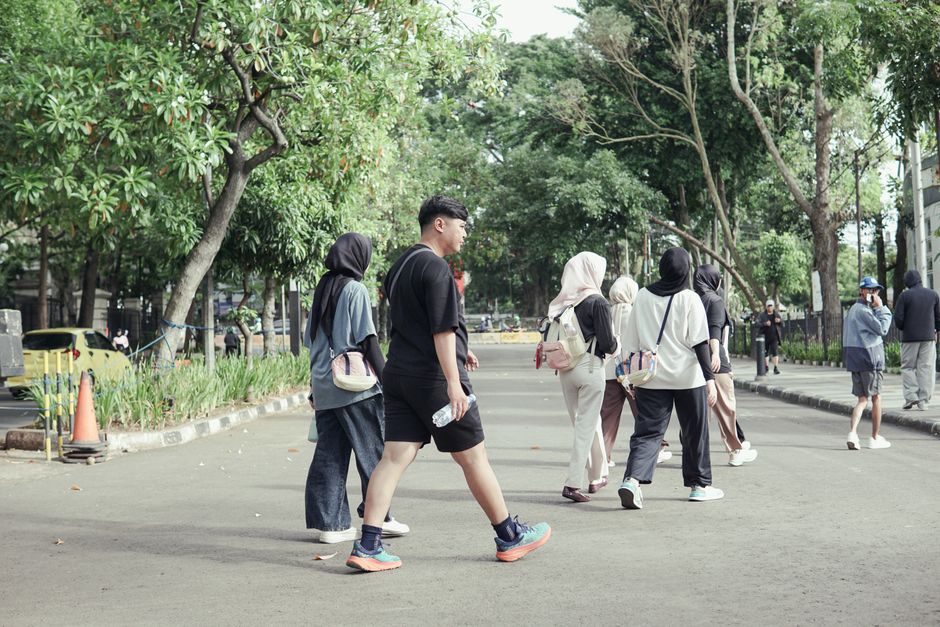
Walking groups have become one of Madrid's most accessible wellness trends, combining exercise, social connection, and neighbourhood exploration without the barriers of gym memberships or intimidating fitness levels. Whether you're in Malasaña, Chueca, or along the Madrid Río corridor, launching a walking group requires minimal investment but considerable community impact.
Start by identifying your route. Madrid's geography offers natural advantages: Retiro Park's 125 hectares provide scenic loops perfect for beginner groups, while the Madrid Río cycling path stretches 7.5 kilometres along the Manzanares, offering shaded alternatives during summer months. Neighbourhood-based routes work equally well—consider mapping a circuit through your barrio's main streets, local plazas, and parks. A 45-minute walk covering 3–4 kilometres suits most fitness levels.
Next, establish your group's identity. Will it be casual neighbourhood walking, or themed outings (tapas route walks, architectural history tours)? Determine frequency—weekly walks build consistency, though bi-weekly suits busier schedules. Choose a consistent day and time: early morning (7–8 AM) attracts commuters, while evening slots (6–7 PM) draw post-work participants.
Use free digital tools to spread the word. WhatsApp groups, Telegram channels, and neighbourhood Facebook pages reach locals directly. Post on Madrid community platforms like Nextdoor or local council websites. Many neighbourhoods maintain community boards—physical flyers in local pharmacies, libraries, and cafés still generate interest, particularly among older residents.
Partner with existing infrastructure. Contact your local Junta Municipal (district council) about promotion support. Organisations like Madrid Salud (the city's public health initiative) occasionally collaborate with community fitness groups. Gyms and sports shops in your area—from Retiro's numerous fitness centres to neighbourhood establishments—may feature your group on their notice boards.
Establish basic group norms: meeting point, estimated duration, pace expectations, and whether routes change seasonally. Keep it inclusive by offering multiple pace options within one group, allowing faster walkers to extend their route while others finish earlier.
Safety matters. Share your route details with participants beforehand, especially for evening walks. Encourage reflective clothing during darker months. While Madrid's established running hub culture around Retiro includes professional coaching, walking groups thrive on peer support rather than formal instruction.
Most successful Madrid walking groups report 8–15 regular participants within three months. Beyond fitness—studies suggest regular walking reduces cardiovascular disease risk by 35 per cent—these groups build genuine neighbourhood bonds, transforming solo exercise into community ritual. Your local streets become familiar territory, and fellow walkers become friends. That's the real wellness dividend.
This article was compiled by AI from the sources linked above and screened before publishing. See our editorial standards.
How does this story make you feel?
Spread the word
About this article
Published by The Daily Madrid
Daily brief
Free, in your inbox before 7am. Weekdays.
More in Wellness