Madrid's wellness culture has traditionally celebrated the long meal, the afternoon paseo, and evening social gatherings. But a quieter revolution is underway—one backed by rigorous sleep science. Recent research from Spain's Instituto de Investigación Sanitaria (IIS) and international sleep centres has fundamentally reshaped how medical professionals in Madrid approach rest and recovery.
The science is compelling. Chronobiology—the study of biological timing—reveals that our bodies operate on precise 24-hour cycles regulated by circadian rhythms. These internal clocks govern everything from hormone production to immune function. Dr. María Antón's team at Madrid Río's wellness clinics notes that consistent sleep-wake schedules align with these natural rhythms far more effectively than irregular patterns, even when total sleep hours remain identical.
Temperature regulation emerges as equally critical. Research published by sleep centres in northern Europe demonstrates that a bedroom temperature between 16-19°C optimises sleep architecture—the sequence of light, deep, and REM sleep stages essential for physical and cognitive restoration. Madrid's summer heat poses particular challenges; residents around neighbourhoods like Chamberí and Salamanca increasingly invest in climate control, with sleep-focused cooling systems becoming standard in wellness-oriented homes.
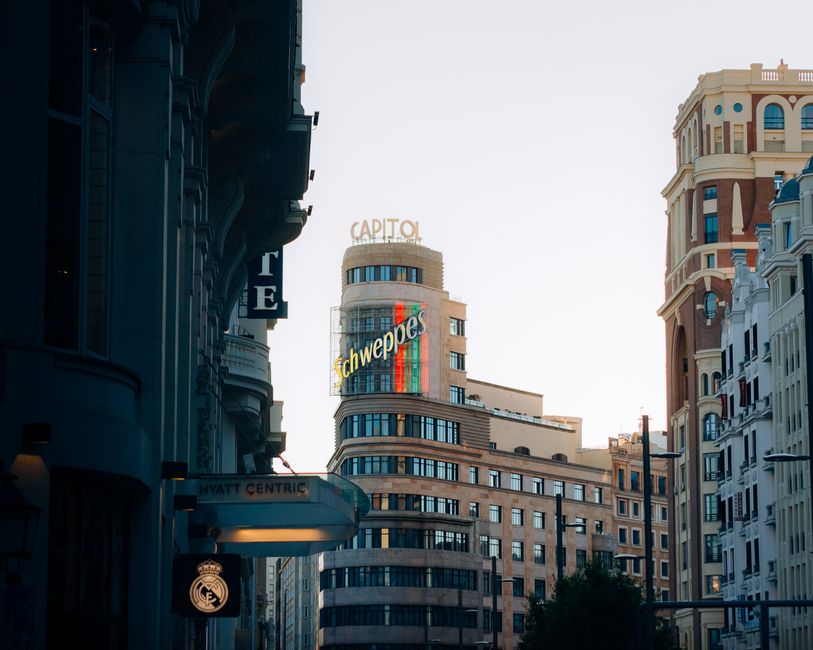
The impact of light exposure has also shifted practice. Photometric studies confirm that melatonin suppression from artificial blue light—screens, streetlights, late-evening illumination—significantly delays sleep onset. Madrid's broader push toward darker bedrooms and evening device management reflects this evidence, with some residents adopting blackout solutions in properties near the illuminated Gran Vía.
Exercise timing matters too. Contrary to assumptions that evening workouts disrupt sleep, research indicates that moderate physical activity 4-6 hours before bedtime enhances sleep quality. The timing suits Madrid's active culture perfectly—evening runs through Retiro Park or cycling along Madrid Río align with optimal circadian positioning for improved rest.
Caffeine metabolism data is equally revealing. Individual genetics determine how quickly bodies process caffeine, but population studies suggest cessation by 2 p.m. maximises sleep efficiency for most adults—a practical adjustment to Madrid's strong coffee culture.
What emerges from this body of evidence is not restriction but informed choice. Sleep wellness in Madrid increasingly reflects science: consistent schedules, environmental optimisation, strategic light management, and lifestyle timing aligned with circadian biology. These aren't trendy restrictions—they're neurological fundamentals supported by decades of research, finally reshaping how Spain's capital approaches one of life's most essential functions.
This article was compiled by AI from the sources linked above and screened before publishing. See our editorial standards.