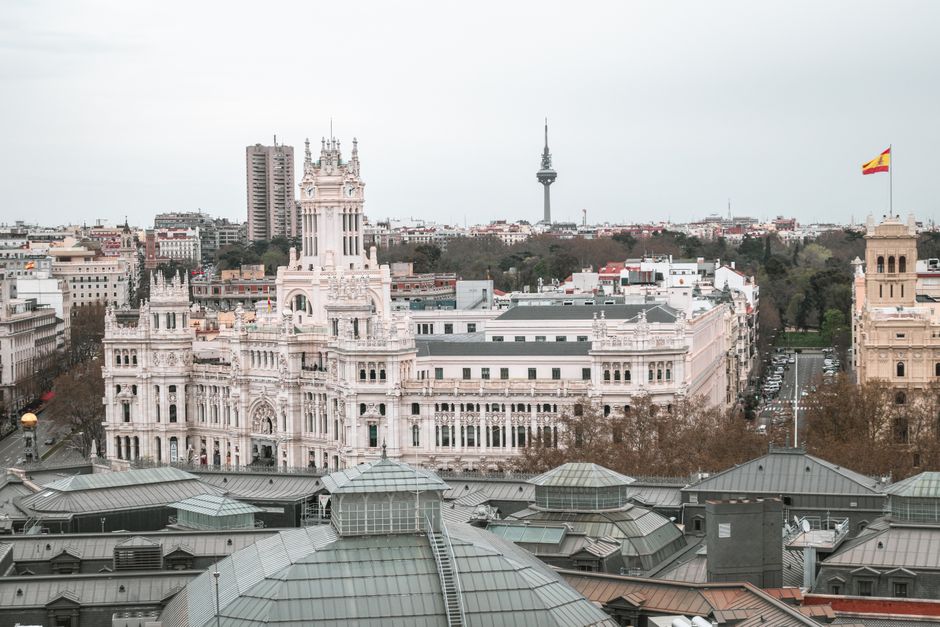
Walk into any café along Paseo de la Castellana on a Tuesday morning, and you'll overhear the same conversation: appointment confirmations for colonoscopies, cardiovascular assessments, or bone density scans. Madrid's wellness culture has undergone a quiet but significant shift. Where gyms and juice cleanses once dominated the self-care conversation, preventive medical screening now commands serious attention among madrileños aged 35 and above.
The trend reflects broader European health consciousness, but Madrid's affluent neighbourhoods—Salamanca, Chamberí, and the growing wellness hub around Calle Serrano—have become epicentres of this movement. Spain's national health system (SNS) offers free preventive screenings for specific age groups, yet private clinics from the Hospital Universitario HM Sanchinarro to smaller practices in Retiro have reported a 28% year-on-year increase in comprehensive health audits since 2024. Packages typically range from €300 to €1,200, covering cardiovascular assessments, metabolic panels, cancer risk markers, and cognitive screening.
"Prevention is the new status symbol," notes the wellness community around Madrid Rio's cycling path, where early-morning runners and cyclists increasingly discuss health markers between kilometres. The city's robust hospital network—including top-tier facilities like Quirónsalud and Teknon—has expanded preventive medicine departments, reflecting genuine demand rather than marketing alone.
The cultural underpinning matters too. Madrid's outdoor social fabric means health conversations aren't stigmatised; they're integrated into daily life. Tapas gatherings now routinely include discussions about lipid profiles and family health histories. The Mediterranean diet, already embedded in local food culture, has become reframed explicitly as preventive medicine rather than mere tradition.
Age matters in this trend. Women in their 40s and 50s are particularly engaged, seeking early detection protocols for breast, cervical, and colorectal conditions. Men tend to enter screening conversations slightly later, typically after a health scare or at the 55-mark. The SNS prioritises screening for specific demographics—cervical cancer screening from age 25, colorectal from 50—but private options fill gaps for those seeking earlier intervention or more frequent monitoring.
Madrid's thriving expat community has also fuelled demand. International residents accustomed to annual comprehensive check-ups have normalised the practice among Spanish colleagues, creating a ripple effect across professional circles in Paseo de Recoletos and financial hubs.
Healthcare professionals emphasise that this trend, while positive, works best when paired with realistic lifestyle integration: the walks through Retiro Park, the cycling routes along Madrid Rio, and yes, the Mediterranean diet remain foundational. Screening identifies risk; living well mitigates it.
For personalised screening recommendations suited to your age and health history, consult your GP or local healthcare provider in Madrid's primary care network.
This article was compiled by AI from the sources linked above and screened before publishing. See our editorial standards.