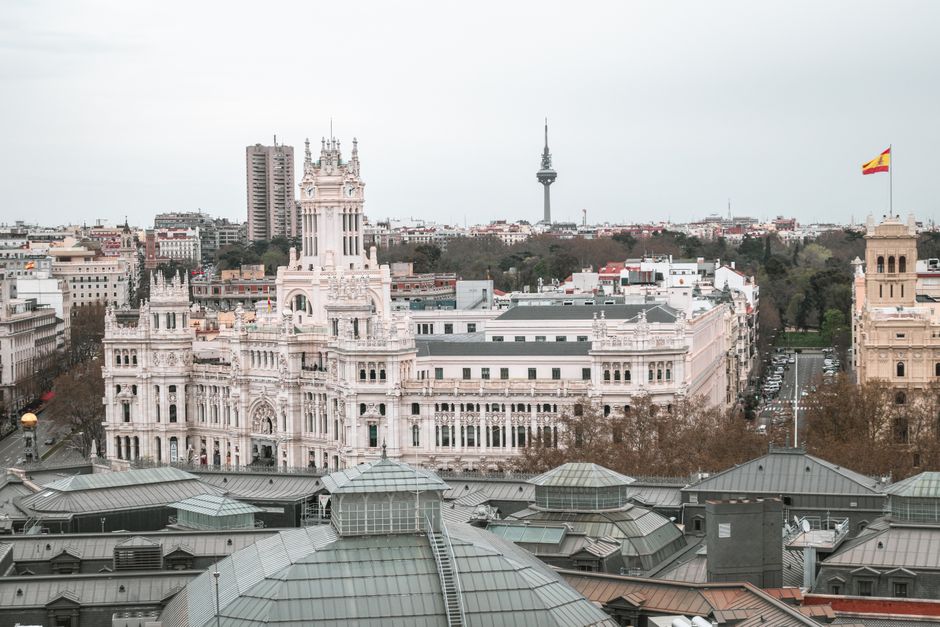
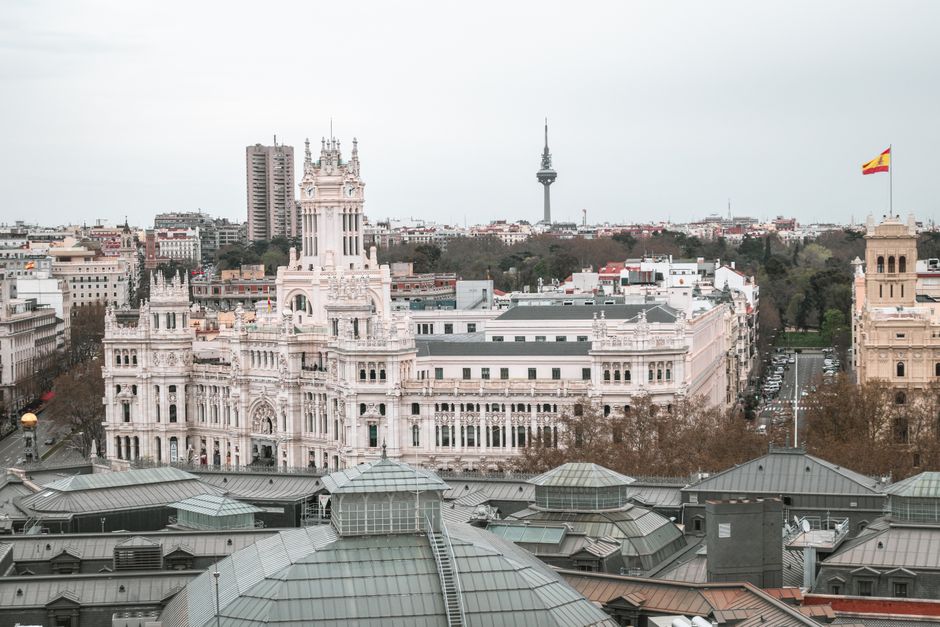
How Madrid residents are managing stress through simple, everyday routines that actually stick
From morning walks in Retiro to evening tapas rituals, locals share the practical habits transforming their mental health.
From morning walks in Retiro to evening tapas rituals, locals share the practical habits transforming their mental health.
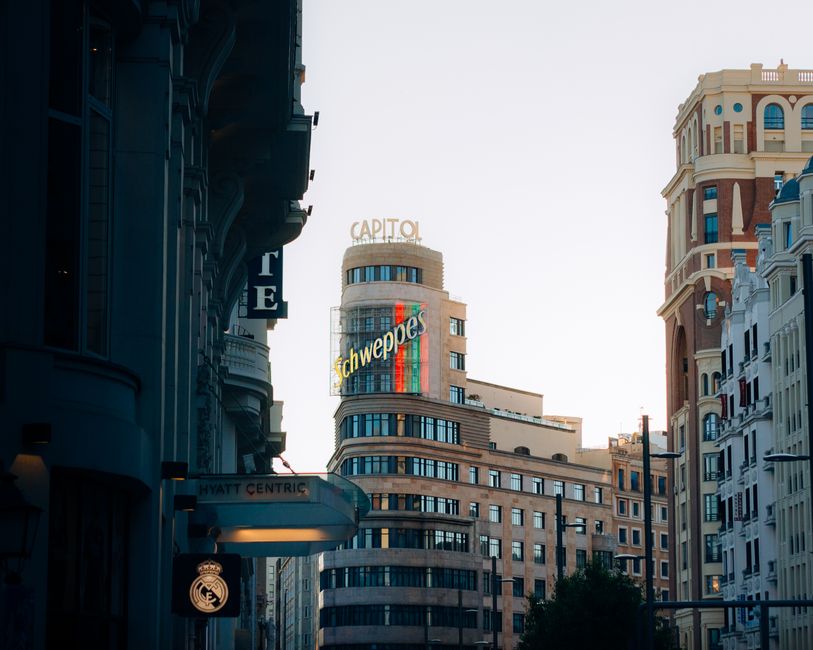
In a city where work deadlines collide with siesta culture and metro delays test patience daily, Madrid's wellness community has quietly developed a toolkit of stress-management habits that feel less like self-care doctrine and more like survival strategy.
The trend isn't about expensive apps or meditation retreats in the mountains. Instead, madrileños are embedding mindfulness into existing routines—the walk to work, the evening paseo, the ritual of sharing food with others.
Morning movement in Retiro Park has become a cornerstone habit for many. The 125-hectare green space, which recorded over 3 million visits last year, draws hundreds daily before 8 a.m. for runs, tai chi, and walking meditation. "The ritual matters more than the intensity," explains one local wellness coach. A 20-minute loop around the lake costs nothing and provides consistent neural reset before work stress accumulates.
In neighbourhoods like Malasaña and Chueca, community meditation circles have multiplied. Low-cost options—often €5–8 per session—operate in converted studios along Calle San Andrés and Plaza del Dos de Mayo. What appeals to participants isn't mysticism; it's structure. A fixed Tuesday evening commitment creates accountability that phone apps cannot.
The mediterranean diet remains Madrid's most practised wellness habit, though locals frame it differently now: not as nutrition optimization, but as stress regulation. The evening tapas culture—gathering at bars along Calle Cava Baja or near Plaza Mayor to share plates, conversation, and wine—functions as group therapy with olives. Research consistently links social eating to reduced cortisol levels, and Madrid's architecture makes this behaviour almost involuntary.
Madrid Rio's 10-kilometre cycling path has similarly transformed commuting stress. Instead of sitting in traffic near Atocha, cyclists report using the route as moving meditation. The infrastructure investment paid dividends: cycle trips increased 47% between 2020 and 2024.
What makes these habits stick isn't willpower—it's integration. They don't require gym memberships or life restructuring. A walk to Retiro, a weekly meditation class, a Thursday evening with friends over vermouth and jamón. These are already part of Madrid culture; locals are simply recognizing their mental health value.
The city's hospital network has begun documenting outcomes. Centro de Salud services across districts now include stress-management group sessions, acknowledging that preventive mental health belongs in primary care.
The lesson for those feeling overwhelmed: look at what Madrid residents already do naturally. Structure, community, movement, good food shared with others. The habits that sustain mental health rarely feel revolutionary. They just feel like home.
This article was compiled by AI from the sources linked above and screened before publishing. See our editorial standards.
How does this story make you feel?
Spread the word
About this article
Published by The Daily Madrid
Daily brief
Free, in your inbox before 7am. Weekdays.
More in Wellness