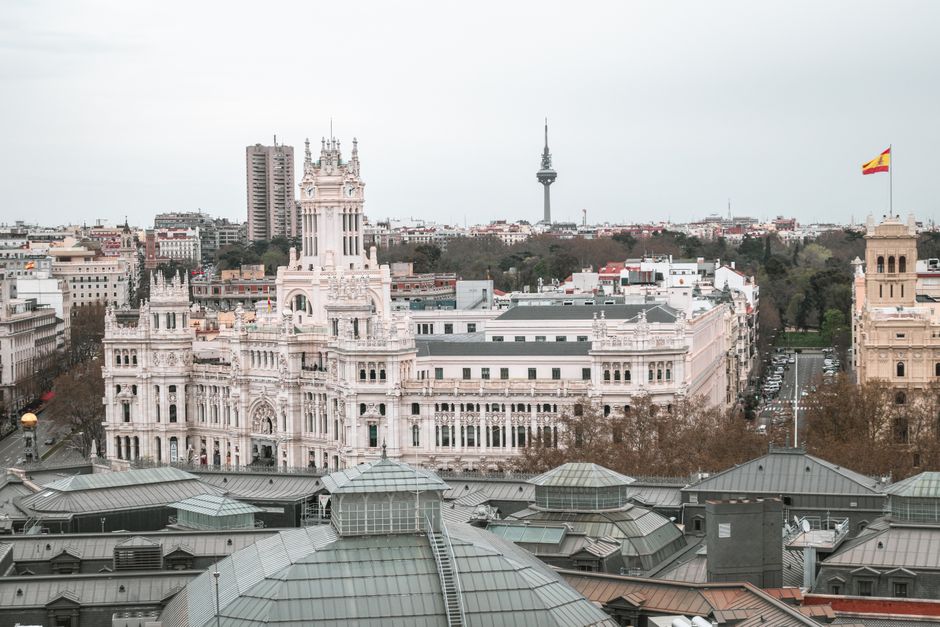
How Madrid's healthiest residents built prevention into their daily routine
From morning walks along the Retiro to annual check-ups at the city's leading hospitals, madrileños are quietly mastering the art of staying well before illness strikes.
From morning walks along the Retiro to annual check-ups at the city's leading hospitals, madrileños are quietly mastering the art of staying well before illness strikes.
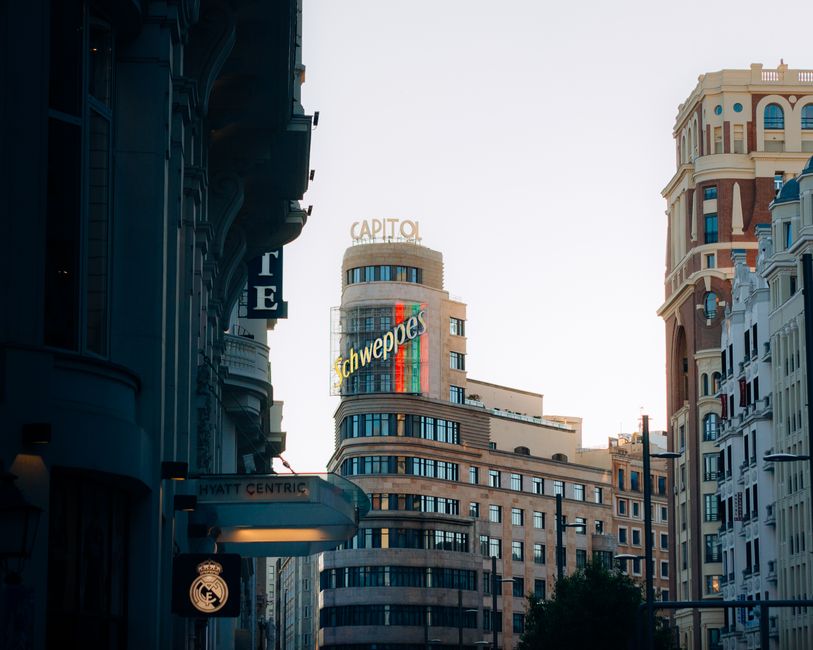
Prevention rarely makes headlines. Yet across Madrid's neighbourhoods—from Salamanca's tree-lined avenues to the vibrant streets of Malasaña—thousands of residents are quietly embedding health screenings and protective habits into their everyday lives, treating wellness as a non-negotiable part of their routine rather than an afterthought.
The pattern is clearer than ever at Madrid's premier health networks. The Quirónsalud and HM hospital groups report that preventive screening uptake among madrileños aged 40-65 has increased by roughly 18% over the past three years, with annual cardiovascular assessments and cancer screenings now commonplace among professionals and retirees alike. Many attribute this shift to a simple cultural realignment: viewing the €200-400 annual check-up not as an expense, but as insurance against far costlier interventions.
Morning movement has become the city's unofficial preventive medicine. Retiro Park, especially along its eastern running routes near Menéndez Pelayo, draws thousands before 8 a.m.—a demographic mix of young parents, freelancers, and pensioners who treat their 30-minute jogs or walks as sacred. The Madrid Rio cycling path, stretching from Casa de Campo to the Arganzuela neighbourhood, hosts an equally committed crowd. These aren't gym enthusiasts; they're locals who've discovered that consistent, low-impact movement reduces cardiovascular risk and strengthens bones more reliably than any supplement.
Diet, unsurprisingly, reflects Madrid's Mediterranean proximity. The tapas culture—traditionally built on olive oil, seafood, legumes, and seasonal vegetables—has found new life as a preventive tool. Markets like the Mercado de la Paz in Salamanca and neighbourhood vendors throughout Chueca remain hubs where residents actively choose whole foods over processed alternatives. This isn't trendy; it's simply how many madrileños have eaten for decades.
What's changed is intentionality. Residents increasingly track basic metrics: blood pressure checks available free at most local farmacias, cholesterol levels monitored annually, and dental care viewed as integral rather than cosmetic. The Spanish health system's public screening programmes—cervical cancer screenings for women, colorectal screening from age 50—have simplified access, though many choose private clinics for faster appointments.
The real shift, locals say, isn't about adopting radical new habits. It's about regularising the ones already embedded in Madrid's culture: walking instead of rushing, eating seasonally, scheduling annual check-ups with the same discipline as holiday planning, and accepting that prevention requires consistency, not perfection.
For personalised preventive health guidance, consult your GP or local healthcare provider in Madrid.
This article was compiled by AI from the sources linked above and screened before publishing. See our editorial standards.
How does this story make you feel?
Spread the word
About this article
Published by The Daily Madrid
Daily brief
Free, in your inbox before 7am. Weekdays.
More in Wellness