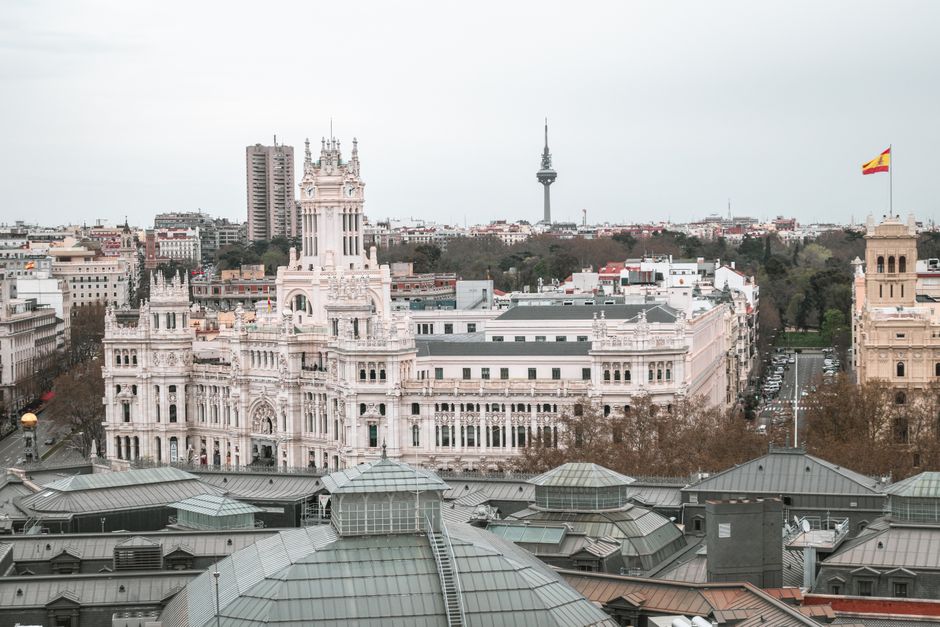
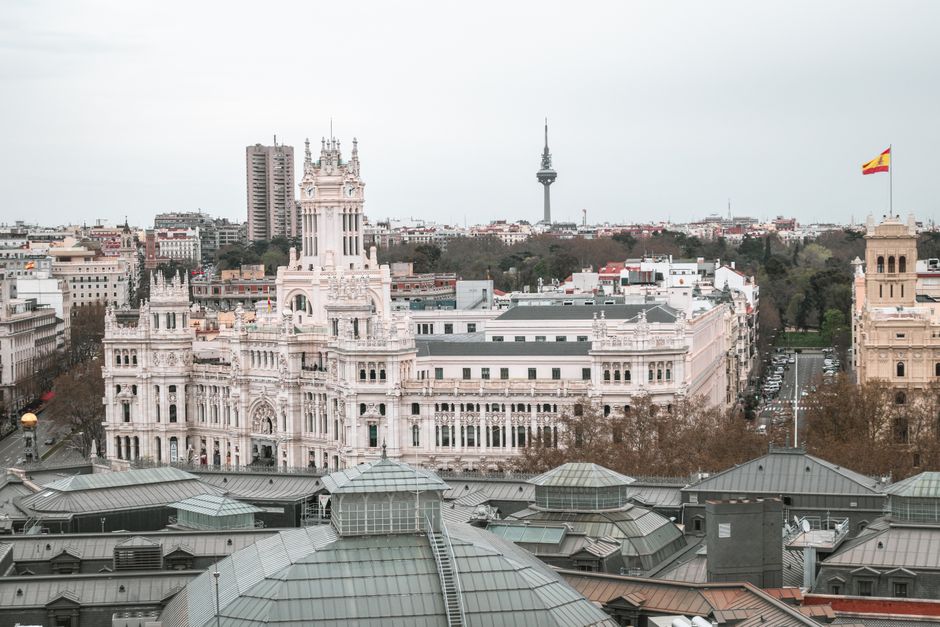
For years, Madrid earned a reputation as a city that never sleeps. Late dinners in La Latina, midnight conversations spilling onto Plaza Mayor, the 11 p.m. cinema start times—the culture of nocturnal living remains deeply woven into the fabric of this city. But something quietly shifted over the past eighteen months. Sleep has become Madrid's unlikely wellness obsession.
The numbers tell the story. Sleep clinics across the capital—particularly in affluent neighbourhoods like Salamanca and Chamberí—report a 40% increase in consultations since early 2025, according to local wellness practitioners. Boutique sleep-focused wellness centres have sprouted from Arganzuela to Retiro, offering everything from circadian rhythm coaching to bespoke sleep hygiene programmes. High-street pharmacies on Paseo de la Castellana now dedicate entire sections to sleep supplements, white-noise machines, and blackout solutions.
"Madrileños are realising that their late-night lifestyle is unsustainable," explains the wellness director at a prominent health hub near Plaza de Cibeles. "But they're not abandoning their culture—they're reframing it. Better sleep means more energy for those long social dinners, not fewer of them."
The trend reflects a broader shift in how the city approaches wellness. Where Madrid once championed high-intensity cycling along the Madrid Rio path or marathon training in Retiro Park, there's now equal enthusiasm for sleep optimisation as foundational health. Local gyms are restructuring evening classes to finish earlier; wellness retreats in the mountains beyond Cercedilla are marketing "sleep reset" weekends; even some tapas bars in the Jewish Quarter are experimenting with earlier closing times to support neighbourhood sleep patterns.
Technology has accelerated this movement. Apps tracking sleep quality have become as common as running trackers once were. Luxury hotels—from those overlooking the Manzanares to boutique options in Malasaña—now advertise premium mattresses and sleep consultation services as headline amenities.
Yet Madrid's sleep wellness boom reflects something deeper than trend-chasing. It's recognition that sustainable health requires balance. The city's world-class hospital network, from La Paz to Gregorio Marañón, has invested in sleep medicine divisions. Meanwhile, community health initiatives across districts like Usera and Puente de Vallecas are offering free sleep workshops, ensuring this wellness shift isn't confined to affluent neighbourhoods.
For a city historically defined by its refusal to slow down, Madrid's embrace of sleep wellness represents a maturing perspective: that true vitality comes not from constant activity, but from honouring rest as essential to living well.
This article was compiled by AI from the sources linked above and screened before publishing. See our editorial standards.