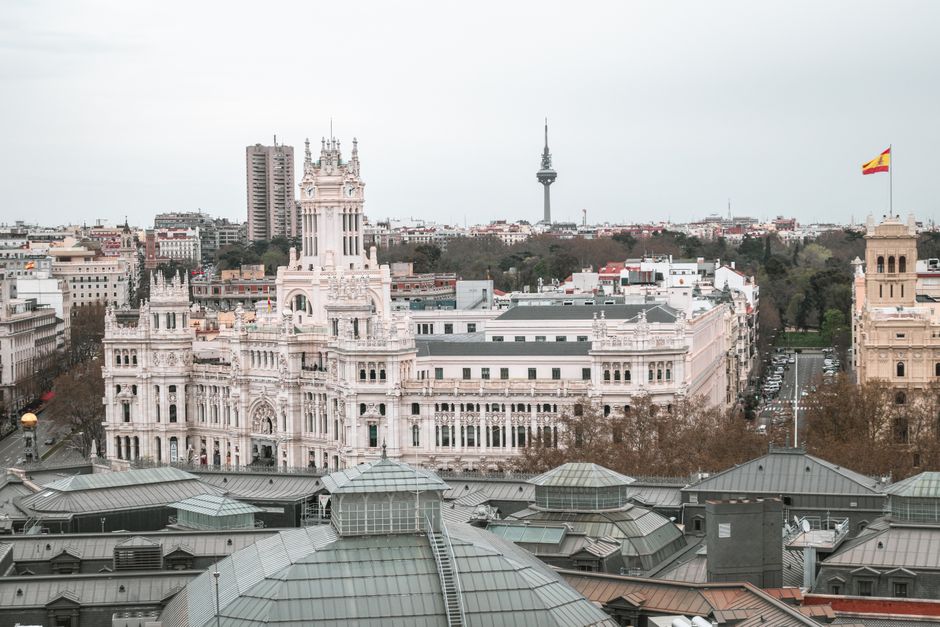
Madrid's geography presents both opportunity and challenge for active ageing. The city's undulating topography—particularly in neighbourhoods like Chamberí and Salamanca—demands deliberate movement strategies, while our extensive park system offers controlled environments for building mobility safely.
Research from Spain's National Institute of Health Sciences shows that consistent, moderate-intensity activity reduces fall risk by up to 40 per cent in adults over 60. For madrileños, this translates to realistic action. Retiro Park's 1.4-square-kilometre perimeter, with its relatively flat central paths and graduated inclines, provides an ideal training ground. A 30-minute walk three times weekly—the evidence-backed minimum—costs nothing and addresses Madrid's specific terrain.
The Madrid Río cycling and walking path, extending 11 kilometres along the Manzanares, offers another low-impact alternative, particularly valuable during the cooler months when heat becomes a mobility barrier. Starting with 15-minute sessions and building gradually follows the principle of progressive overload that physiotherapists across Madrid's top-tier hospital network consistently recommend.
Strength training matters equally. Studies confirm that twice-weekly resistance work—bodyweight exercises, resistance bands, or gym sessions at facilities like those in Chueca or near Atocha—preserves muscle mass that naturally declines 3-8 per cent annually after 60. You don't need expensive equipment; a €15 resistance band and 20 minutes twice weekly shows measurable results in eight weeks.
Balance work deserves dedicated attention. Evidence links single-leg stance training to reduced hospitalisation rates. Five minutes daily—manageable while making coffee or waiting for the metro—builds proprioception. Tai chi classes, increasingly available across Madrid's distrito centres, combine balance, strength, and social connection in one practice.
Local Mediterranean diet patterns support mobility work. The abundant fresh produce at Mercado de la Paz or neighbourhood markets provides the anti-inflammatory nutrients that research links to joint health and recovery capacity. Combine walking with intentional nutrition, and results compound.
Consistency beats intensity. A study spanning five Madrid hospitals found that 60-year-olds maintaining moderate activity for 10 years showed mobility markers comparable to sedentary 50-year-olds. The implication is clear: sustainable local routines—your Retiro walk, your neighbourhood stairs, your twice-weekly strength session—create measurable advantage.
Start where you are. Choose one accessible location. Commit to three weeks. The evidence, and Madrid's landscape, support you.
This article was compiled by AI from the sources linked above and screened before publishing. See our editorial standards.