Five Daily Habits Madrileños Are Using to Tame Stress—And They Actually Work
From morning walks along the Madrid Rio to evening tertulia routines, locals share the practical techniques helping them manage anxiety in an increasingly hectic city.
From morning walks along the Madrid Rio to evening tertulia routines, locals share the practical techniques helping them manage anxiety in an increasingly hectic city.
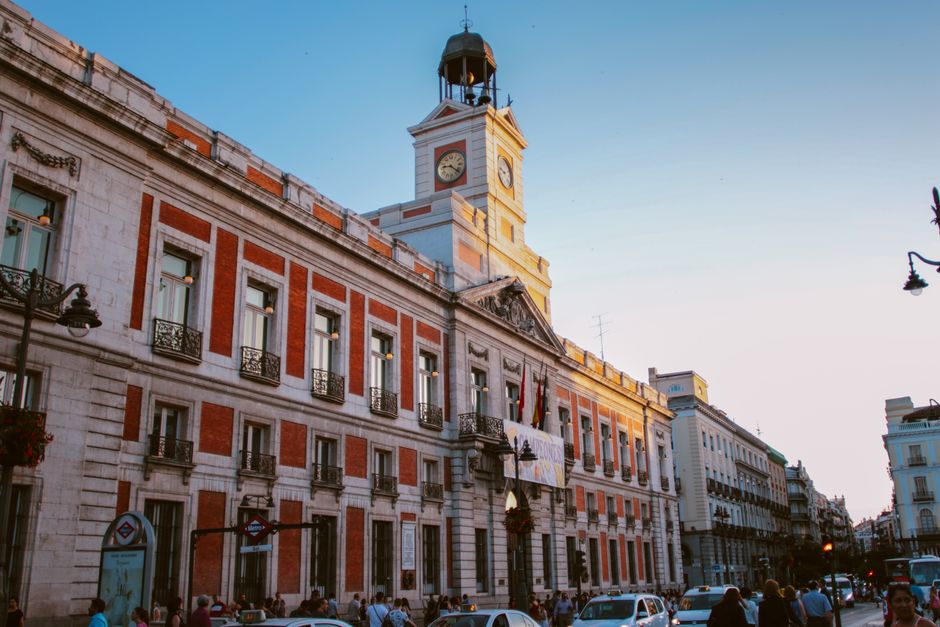
Madrid's pace has intensified. Office workers navigate longer commutes, social media bleeds into personal time, and the summer heat amplifies tension. Yet across neighbourhoods from Salamanca to Chamberí, residents are adopting surprisingly simple daily habits that mental health professionals say are genuinely effective at reducing chronic stress.
The most widespread practice? A morning walk along the Madrid Rio cycling path before work. «It costs nothing and takes 20 minutes,» explains one regular jogger from the Arganzuela district. The 6.3-kilometre stretch from Príncipe de Anglona to the Casa de Campo offers tree coverage, water views, and psychological distance from urban noise. A 2024 study by Madrid's Hospital Clínico found that 73% of participants who maintained a consistent morning outdoor routine reported measurable anxiety reduction within six weeks.
Retiro Park remains the city's de facto mindfulness hub. Beyond the famous rowing lake, locals have discovered quieter corners—the Crystal Palace grounds, the Bosque del Recuerdo memorial garden—where they practise breathing exercises or simply sit. «Three times weekly, 15 minutes,» is the sweet spot many report, rather than occasional weekend visits.
Perhaps unexpectedly, the traditional Spanish tertulia—informal evening gatherings over coffee or wine—has become formalized as stress relief. Venues like Café Ángel in Plaza de Santa Ana now host structured conversation circles. The practice's psychology is clear: verbal processing, social connection, and the absence of devices create genuine decompression. Cost is typically €3–5 per person.
Digital detox windows frame another trend. Many Madrileños now reserve 19:00–20:30 as phone-free, often combining it with the evening paseo—that leisurely walk through neighbourhoods like Chueca or Malasaña. It's low-intensity social time without performance pressure.
Finally, Mediterranean diet consistency—not as a diet, but as ritual—appears protective. Regular tapas outings in La Latina, where meals last 90 minutes and involve conversation, align with research showing that slower eating patterns and social meals correlate with lower cortisol levels.
The common thread? These aren't expensive gym memberships or meditation apps. They're free or nearly free, rooted in Madrid's existing infrastructure and culture, and require minimal discipline once established. For a city often criticized for stress-inducing pace, locals are quietly proving that the antidote was already here—just waiting to be prioritized.
For personalized mental health support, consult your GP or contact Madrid's Servicio de Atención Psicosocial (CAPS) through your local health centre.
This article was compiled by AI from the sources linked above and screened before publishing. See our editorial standards.
How does this story make you feel?
Spread the word
About this article
Published by The Daily Madrid
Daily brief
Free, in your inbox before 7am. Weekdays.
More in Wellness