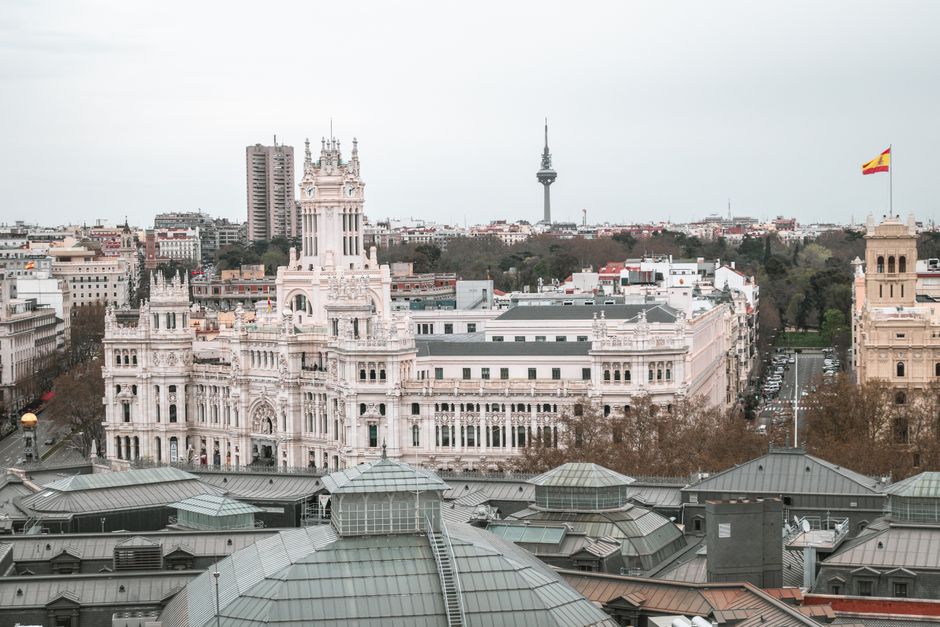
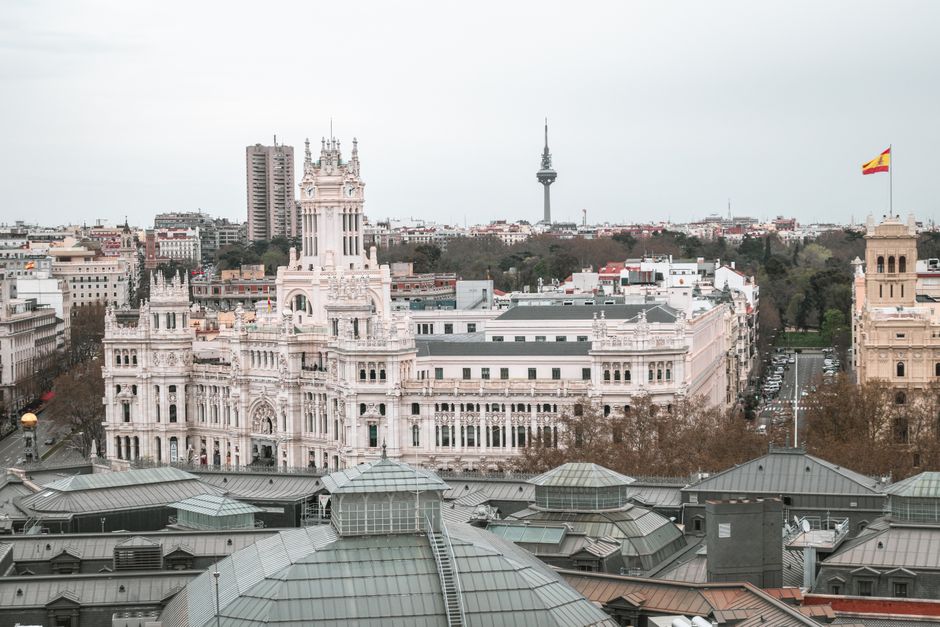
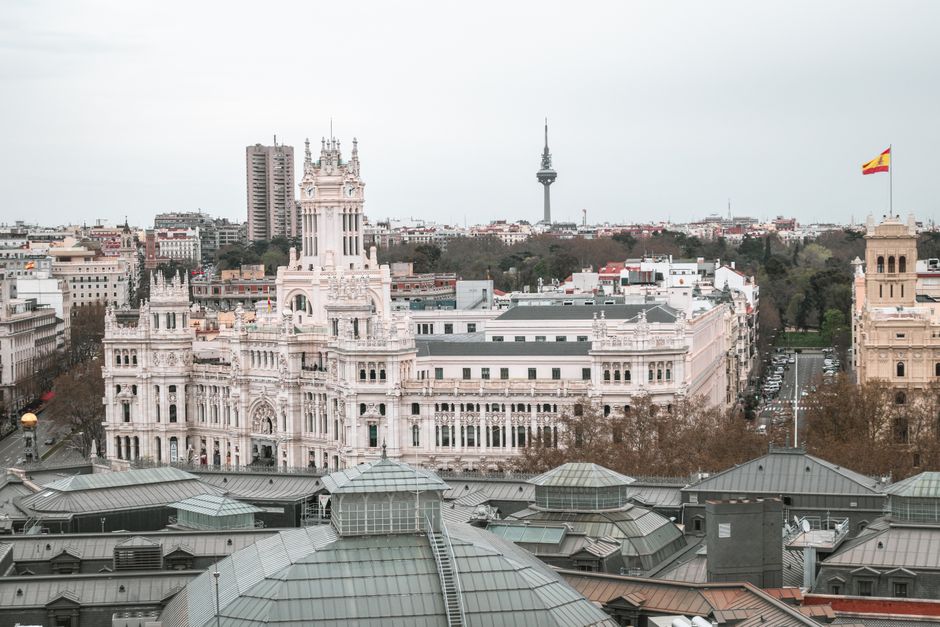
Walk through Retiro Park on any morning and you'll witness a fitness phenomenon that feels distinctly Madrid: clusters of runners moving at conversational pace along tree-lined paths, stopping to chat at fountains, treating the 125-hectare park as much a social hub as a training ground. This scene reflects a subtle but significant divergence from the global wellness zeitgeist of intense, app-driven workouts and mountain marathons dominating international fitness feeds.
Global running culture has increasingly emphasised performance metrics—Strava segments, personal bests, ultra-distance challenges. Yet Madrid's outdoor fitness community tells a different story. According to recent data from local running clubs, participation in recreational running groups across the capital has grown 34 per cent since 2023, with the majority citing accessibility and social connection as primary motivators rather than competitive achievement.
The numbers reflect this shift. Madrid Río's 7-kilometre cycling and running path, stretching from Arganzuela to Casa de Campo, has become emblematic of this trend. Unlike the Instagram-friendly, high-effort routes gaining traction globally, this corridor prioritises ease of access—flat terrain, multiple entry points, free parking, family-friendly infrastructure. Weekend usage has reportedly doubled in three years.
Casa de Campo itself, with over 1,700 hectares of trails, represents another distinctly local phenomenon: runners treating natural spaces as democratic, communal resources rather than exclusive training grounds. The park's varied topography caters equally to weekend joggers and serious trail runners, without the gatekeeping associated with premium global wellness communities.
Yet Madrid hasn't rejected global trends entirely. The rise of specialist running shops along Calle Fuencarral and increasing uptake of tracking apps suggests the capital is integrating international fitness culture. Local clubs now host Parkrun-style events—free, weekly, community-organised runs—reflecting a global movement towards democratised fitness.
What distinguishes Madrid's approach is the integration of running into existing social rhythms. The practice remains tethered to the Mediterranean lifestyle: routes pass tapas bars in La Latina where runners genuinely stop for refreshment; morning sessions cluster around the social rhythm of the city rather than isolated dawn training.
This local-global balance matters. As international wellness discourse increasingly emphasises burnout and the limitations of high-performance culture, Madrid's patient, social approach to outdoor fitness—rooted in neighbourhoods like Chamberí, Salamanca, and the expanding southern suburbs—offers a quieter model. One that suggests genuine wellness might look less like a personal record and more like a regular morning run with friends, ending with café con leche.
This article was compiled by AI from the sources linked above and screened before publishing. See our editorial standards.