Madrid's outdoor running renaissance: How trail fitness is becoming the city's newest wellness obsession
From Retiro Park to the Madrid Río greenway, locals are trading treadmills for trails—and the city's fitness culture is transforming.
From Retiro Park to the Madrid Río greenway, locals are trading treadmills for trails—and the city's fitness culture is transforming.
Six months ago, María José Fernández, a 42-year-old marketing executive, hadn't run outdoors in a decade. Today, she's part of a growing wave of madrileños discovering that Madrid's urban landscape offers something gyms simply cannot: connection, fresh air, and a sense of genuine community. "The trails changed everything," she says of her twice-weekly runs through the Retiro's wooded paths.
Fernández is far from alone. Running clubs focused on outdoor trails have proliferated across the city since early 2025, with participation in organized trail groups increasing by nearly 40% according to informal surveys conducted by local sports retailers. The phenomenon reflects a broader European shift toward outdoor fitness—one that Madrid, with its 300+ days of annual sunshine and extensive green infrastructure, is uniquely positioned to embrace.
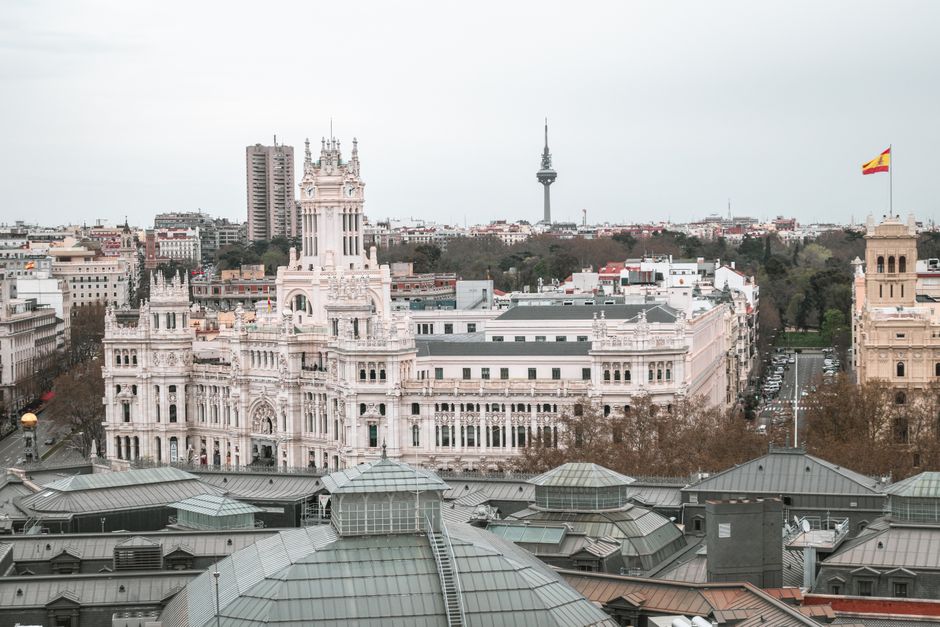
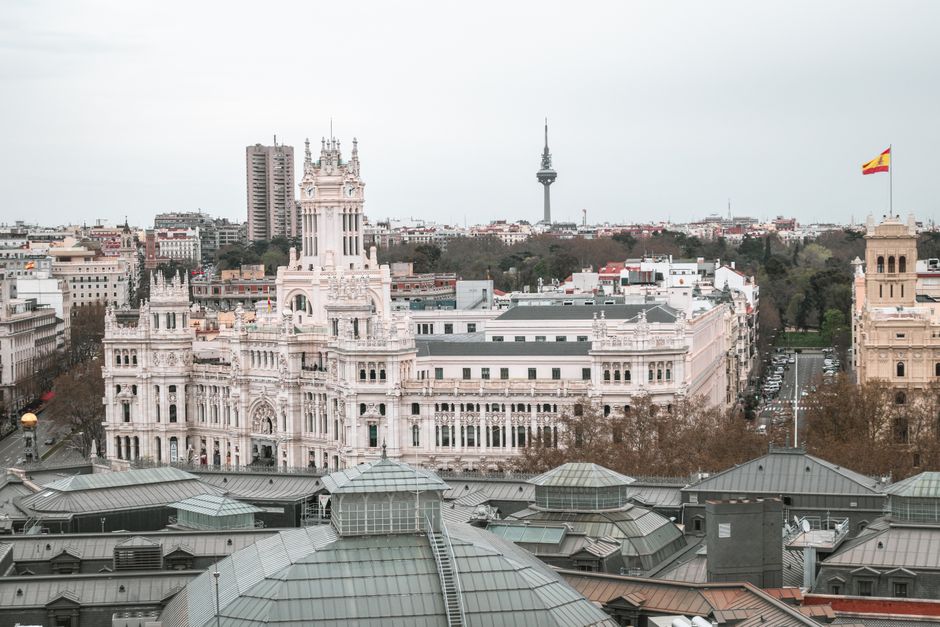
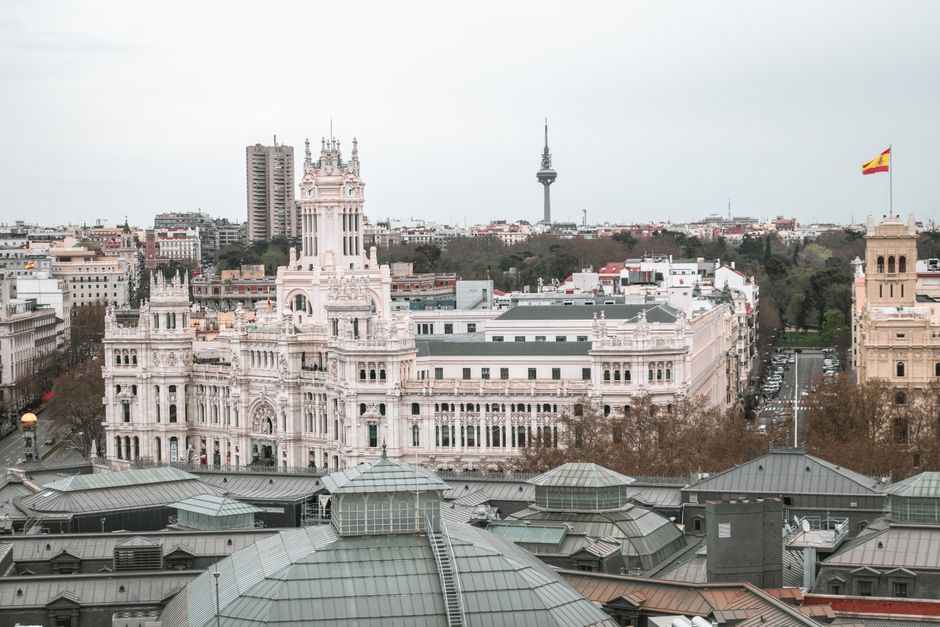
The Retiro Park remains the epicenter. Its 125 hectares provide multiple loop options: the eastern circuit past the Crystal Palace draws families and casual joggers, while the less-trafficked northern routes around the Bosque del Recuerdo attract serious runners seeking elevation and solitude. On weekends, the park's pathways can feel like spontaneous running festivals, with clusters of athletes in matching club colors becoming as common as the park's famous peacocks.
But the real growth is happening along Madrid Río. The 33-kilometer cycling and running path—stretching from Casa de Campo through central districts toward Arganzuela—has evolved into something more than infrastructure. Community runs now depart regularly from the Puente del Rey access point, with participants ranging from teenagers training for their first 5K to retirees rediscovering movement after years of sedentary work.
Casa de Campo, too, has shed its reputation as underutilized parkland. Its combination of paved paths, dirt trails, and gentle elevation changes appeals to runners seeking variety without leaving the city limits. The park's 1,722 hectares mean you can log serious kilometers while remaining entirely within Madrid's boundaries.
Local running shoe specialists report a shift in customer conversations. Instead of asking for the most cushioned treadmill shoe, runners increasingly inquire about trail-specific footwear and how to prevent injury on uneven surfaces. This suggests the trend isn't superficial—it's becoming embedded in how madrileños approach fitness.
The city's summer heat presents obvious challenges, with experienced local runners now scheduling morning sessions between 6 and 8 a.m. or evening routes after 8 p.m. Yet even this constraint has fostered community: pre-dawn running groups have become social anchors for neighborhoods from Chamberí to Retiro, turning solitary exercise into collective ritual.
As Madrid continues prioritizing green space development—with ongoing improvements to park accessibility and path maintenance—the trajectory seems clear: outdoor running isn't a seasonal trend here. It's becoming woven into the city's identity.
This article was compiled by AI from the sources linked above and screened before publishing. See our editorial standards.
How does this story make you feel?
Spread the word
About this article
Published by The Daily Madrid
Daily brief
Free, in your inbox before 7am. Weekdays.
More in Wellness