Active Ageing Programmes Madrid: Senior Fitness Classes
Discover how Madrid's community wellness programmes help seniors improve balance, strength, and mobility. Find structured fitness classes in Chamberí and Salamanca.
Discover how Madrid's community wellness programmes help seniors improve balance, strength, and mobility. Find structured fitness classes in Chamberí and Salamanca.
Listen to this article · 3:41
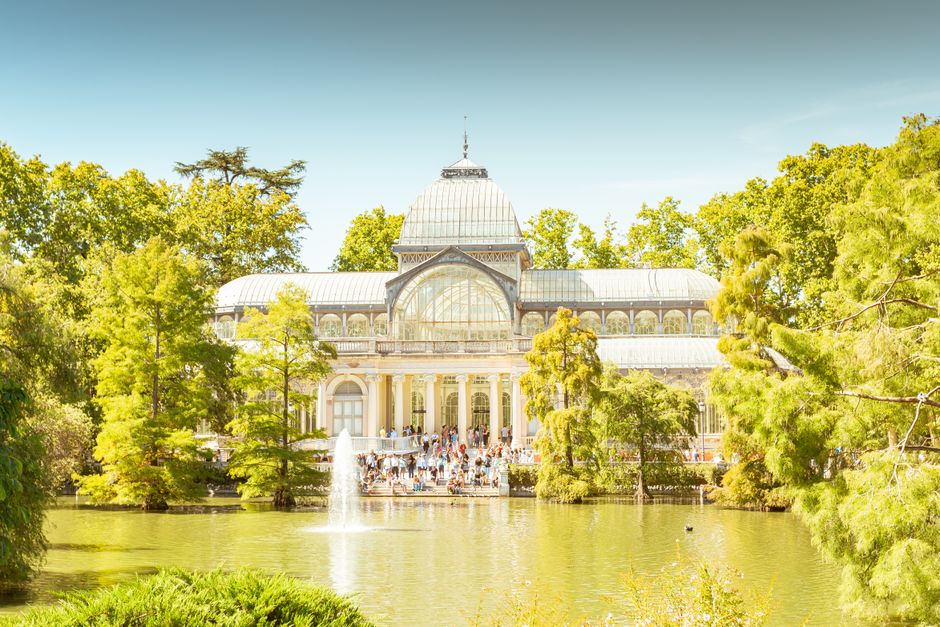
Maria José, 67, recalls the moment she realised her morning walk around Retiro Park had become less stroll, more shuffle. Breathlessness after climbing the gentle slope near the Jardín de Vivaces convinced her something needed to change. Three years later, she's part of a thriving cohort of older madrileños discovering that active ageing isn't about heroic feats—it's about consistency, community, and knowing where to start.
The transformation happening across Madrid's neighbourhoods reflects a broader shift in how seniors approach mobility. Recent Spanish health data suggests that structured activity programmes can improve balance and reduce fall risk by up to 40% in adults over 60. At community centres throughout Chamberí and Salamanca, physiotherapy-led group sessions cost between €25–€40 monthly, positioning preventative wellness within reach for most residents.
What distinguishes Madrid's approach is its integration of urban infrastructure with peer support. The Madrid Río cycling path, stretching 33 kilometres along the Manzanares, has become an informal hub where retirees cycle, walk, or simply gather—removing isolation from the wellness equation. Neighbourhood associations in Latina and Chueca now co-ordinate weekly group walks, turning exercise into social currency rather than solitary obligation.
The Hospital Network's preventative medicine units have responded by partnering with local councils to offer free mobility assessments and posture clinics. In 2025, Madrid's district health centres reported a 23% increase in over-60s attending strength and balance workshops—a shift from traditional appointment-based care toward community-embedded prevention.
For many, the shift begins modestly. A twice-weekly tai chi class in Plaza Mayor's surrounding studios, a walking group meeting at Atocha's gardens, or joining one of the established running clubs with dedicated older-adult sections on the Paseo de la Castellana. These touchpoints matter because they anchor commitment in routine and relationship rather than willpower alone.
The tapas culture itself supports this movement. Mediterranean-style eating—emphasised at community nutrition talks held at libraries in Retiro and Arganzuela—pairs naturally with outdoor activity, creating a holistic approach many find sustainable long-term.
What emerges from conversations across Madrid's districts is simple but profound: active ageing succeeds not through individual resolve, but through accessible infrastructure, affordable programmes, and the quiet permission that comes from seeing peers succeed. The benches around Retiro Park still fill daily—but increasingly, they're rest stops rather than destinations.
This article was compiled by AI from the sources linked above and screened before publishing. See our editorial standards.
How does this story make you feel?
Spread the word
About this article
Published by The Daily Madrid
Daily brief
Free, in your inbox before 7am. Weekdays.
More in Wellness