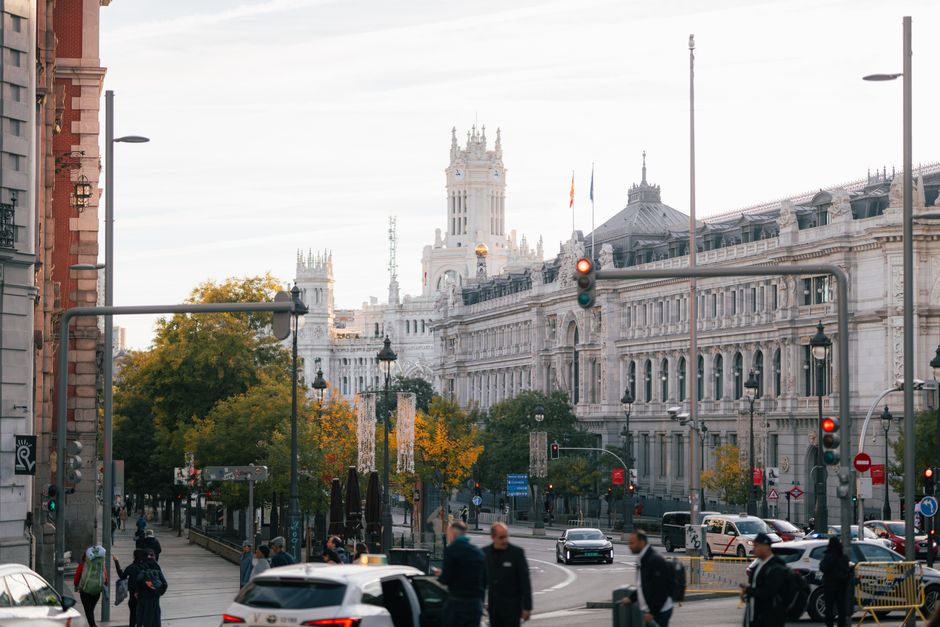
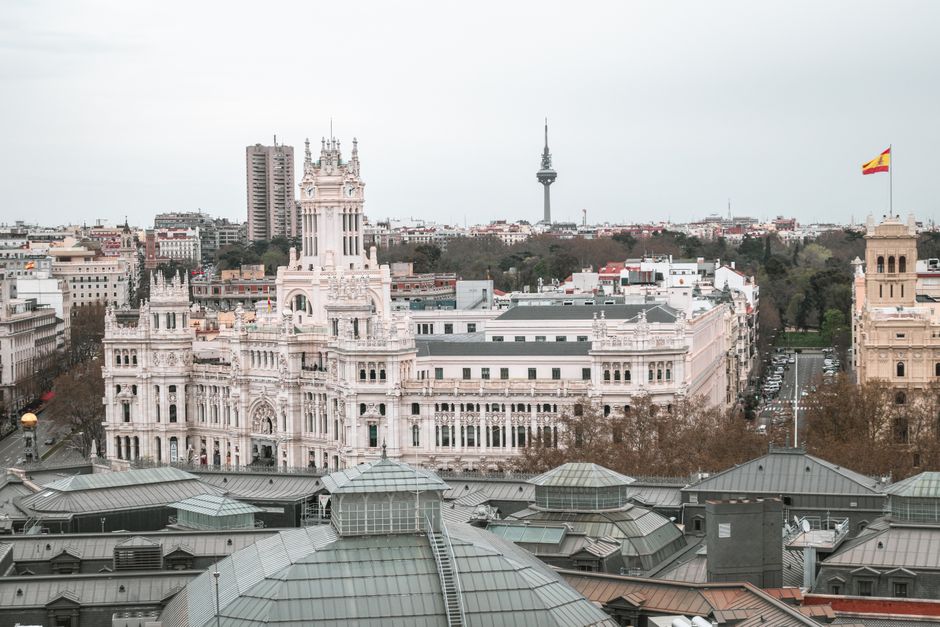
Across Silicon Valley boardrooms and Brooklyn lofts, yoga and meditation have become synonymous with peak wellness culture. Yet in Madrid, the adoption curve tells a different story—one where Eastern philosophy meets Spanish pragmatism, and where centuries-old plazas serve as unexpected meditation havens.
Global wellness reports suggest the international yoga market will exceed €100 billion by 2027, with meditation apps logging millions of daily users. Madrid's uptake, however, reflects something more measured. According to recent surveys from Madrid's health and leisure federation, approximately 12–15% of the capital's adult population practices yoga regularly—notably lower than Northern European cities like Copenhagen (22%) or Berlin (18%), but comparable to other Southern European capitals like Barcelona and Lisbon.
What distinguishes Madrid's approach is integration rather than isolation. While global wellness trends often position yoga as a separate wellness pillar, madrileños are weaving it into existing social fabrics. Studios cluster in professional zones like Salamanca and Chamberí, where professionals book lunchtime classes between work commitments. Yet equally popular are free community sessions in Retiro Park—where the practice blends seamlessly with the city's outdoor culture—and informal meditation gatherings along the Madrid Río cycling path.
Price accessibility shapes local uptake significantly. Premium studios in central neighbourhoods charge €18–25 per class, while cooperative ventures in Malasaña and Lavapiés offer €10–12 sessions. This contrasts with London or Munich averages of €30–35, making practice more inclusive across income levels.
The philosophical angle matters too. Global wellness marketing often emphasises yoga's stress-relief and aesthetic benefits. Madrid practitioners, influenced by centuries of Mediterranean wellness wisdom—the tapas culture, the siesta tradition, walking-based urban design—tend to view yoga and meditation as complementary to rather than replacements for existing healthy living practices. Local mindfulness programmes frequently integrate Mediterranean dietary principles, treating holistic wellbeing as interconnected rather than compartmentalised.
Recognised organisations like the Madrid Yoga Federation and emerging community centres in Chueca are fostering grassroots accessibility, moving beyond the premium-studio model that dominates global conversation. This democratisation may explain why Madrid hasn't experienced the explosive growth seen in anglophone markets, yet maintains steadier, more sustainable engagement.
As global wellness trends accelerate, Madrid's measured integration of yoga and meditation—rooted in local values and accessible pricing—offers a compelling alternative narrative: one where ancient practice serves life as lived, not life as marketed.
This article was compiled by AI from the sources linked above and screened before publishing. See our editorial standards.