How to Start a Walking Group in Your Neighbourhood
From Salamanca to Chamberí, Madrileños are discovering that organising informal community walks builds fitness, friendship and local connection.
From Salamanca to Chamberí, Madrileños are discovering that organising informal community walks builds fitness, friendship and local connection.
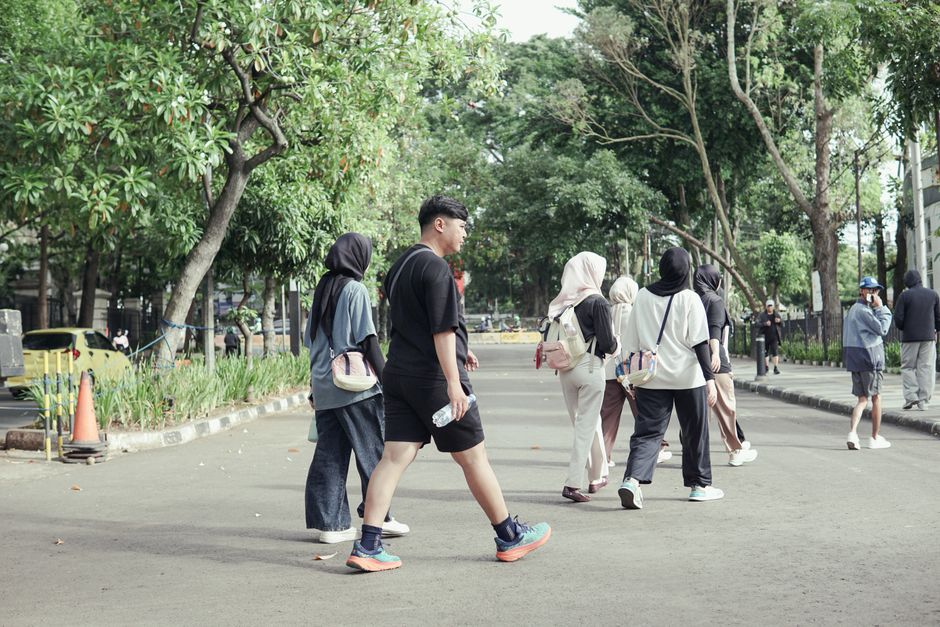
Walking remains Spain's most accessible form of physical activity, yet many of us do it alone. Starting a neighbourhood walking group requires minimal investment but delivers substantial returns: structured movement, social accountability, and the kind of organic community building that makes urban life richer.
The first step is defining your route and frequency. Madrid's neighbourhoods offer natural anchors. In Chamberí, the tree-lined streets around Calle Fuencarral create a natural loop perfect for beginners. Salamanca residents can establish circuits using Plaza de la Independencia as a meeting point, while those in Latina might anchor walks to the Madrid Rio cycling path extension—increasingly popular among walkers seeking shade and river views. Most successful local groups meet twice weekly: a shorter weekday option (5–7km, 45 minutes) and a longer weekend walk (10–12km, 90 minutes).
Next, identify your participants. Begin with neighbours: post notices on community bulletin boards at local pharmacies, libraries, or municipal centres (centros de salud often have community boards). Retiro Park's popularity means many locals already gather there—informal conversations at the park gates can spark interest in structured group walks. Digital outreach matters too: neighbourhood WhatsApp groups, local Facebook pages, or community apps like Nextdoor now have active Madrid chapters. Expect your first walks to attract 4–8 people; that's the sweet spot for building consistency.
Establish simple logistics. Choose a fixed meeting spot—a metro exit, a well-known café, or a public bench—and communicate it clearly. A basic WhatsApp group costs nothing and keeps everyone informed about cancellations due to weather. Consider seasonal adjustments: summer walks starting at 7am to avoid midday heat; winter routes that incorporate cafés where the group can stop for coffee (many neighbourhood bars offer this hospitality for minimal cost).
Safety and inclusivity prevent early dropout. Choose well-lit routes, ensure the pace accommodates varying fitness levels, and communicate realistic difficulty upfront. Most Madrid neighbourhoods have pharmacies and public facilities within walking distance—reassuring for participants with health concerns. At least one person should carry a phone; several apps track routes and distance, adding a motivational element without cost.
Finally, foster community beyond exercise. Rotating who selects the route, celebrating milestones together, or organising seasonal social events transforms a fitness activity into a genuine neighbourhood ritual. Many Madrid walking groups now use part of their route to explore local history—stopping at lesser-known plazas or historic buildings—deepening both movement and place attachment.
Starting a walking group requires no formal registration or fees. You simply need commitment, a route, and the willingness to invite others to join. In a city where outdoor social culture runs deep, neighbourhood walking groups fill a genuine gap—turning solitary exercise into shared wellbeing.
This article was compiled by AI from the sources linked above and screened before publishing. See our editorial standards.
How does this story make you feel?
Spread the word
About this article
Published by The Daily Madrid
Daily brief
Free, in your inbox before 7am. Weekdays.
More in Wellness