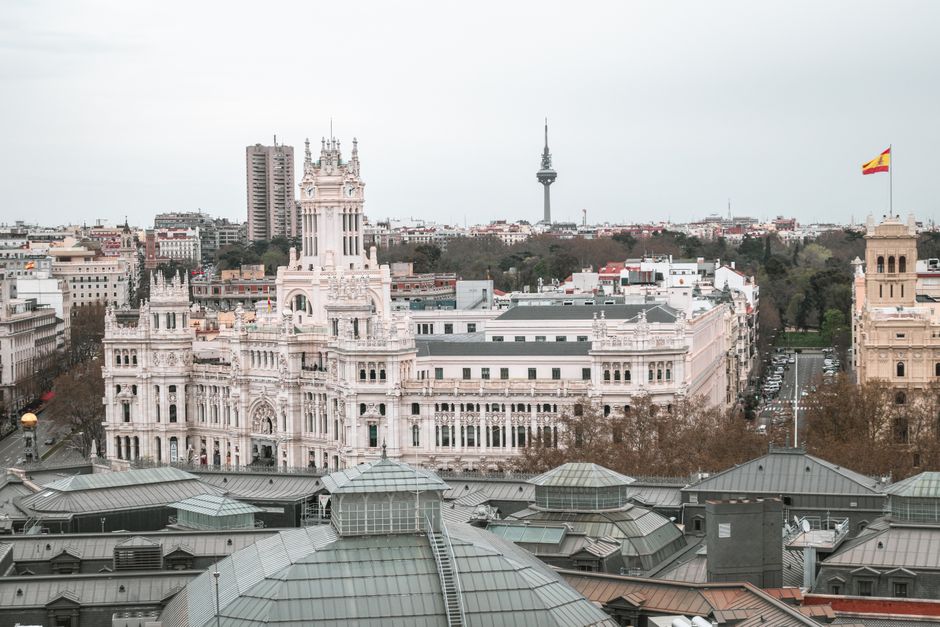
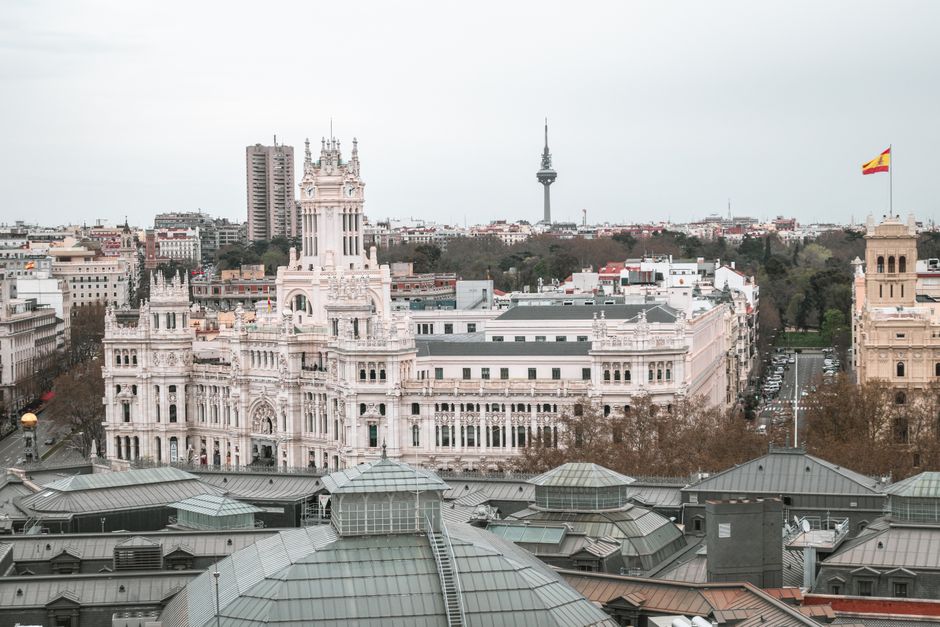
Walk along the Madrid Río cycling path on any Tuesday morning, and you'll spot a phenomenon that's reshaping wellness across the continent: clusters of madrileños over 65, moving deliberately through tai chi sequences, their movements echoing practices popularized in Singapore and Copenhagen but adapted to Madrid's Mediterranean rhythm.
Global wellness data consistently shows Scandinavian countries leading in active aging metrics, with Denmark reporting that 67% of adults over 65 engage in regular physical activity. Spain historically lagged behind, but Madrid is narrowing that gap rapidly. Recent surveys from the Colegio Profesional de Fisioterapeutas de la Comunidad de Madrid indicate that 52% of seniors in the capital now participate in structured mobility programs—up from 34% in 2019.
The shift reflects both demographic urgency and cultural opportunity. Madrid's aging population—nearly 19% over 65—faces the same joint deterioration challenges documented globally. But the city's unique assets are proving decisive. Retiro Park, visited by over 7 million annually, has become an informal wellness hub where programs like the city-funded 'Movilidad Activa' initiative run free mobility classes three times weekly. The investment: €1.2 million annually through the Ayuntamiento's public health department.
What distinguishes Madrid's approach is its integration with Mediterranean lifestyle patterns. Rather than importing Nordic gym-culture wholesale, local physiotherapists are building on existing strengths: the social nature of tapas culture, established outdoor walking traditions, and neighborhood casas de mayores (senior centers) present in districts like Chamberí and Salamanca.
The Fundación Edad&Vida, based in the Arganzuela district, operates 14 community spaces offering low-impact mobility programs at €25–40 monthly—substantially cheaper than comparable London or Berlin offerings (€60–85). Their hybrid model combines evidence-based joint protection protocols with social engagement, addressing what global research identifies as critical for senior adherence: community belonging alongside physical benefit.
Yet gaps remain. While Barcelona and Valencia have established blue-zone-style aging networks, Madrid's coordination between public health services, private gyms, and community organizations remains fragmented. Only 28% of madrileños over 70 access specialist mobility coaching—compared to 47% in Copenhagen's equivalent demographic.
The opportunity is clear. As Europe's healthcare systems grapple with aging populations, Madrid's model—combining accessible infrastructure, affordable programming, and cultural integration—offers a replicable template. The question now is whether the city can scale what works in Retiro and Arganzuela across all 21 districts, transforming active aging from an urban advantage into a citywide standard.
This article was compiled by AI from the sources linked above and screened before publishing. See our editorial standards.