Council-Run Group Exercise Classes in Madrid: Your Accessible Guide to Getting Fit
From yoga in Retiro to aquatic fitness in Chamberí, Madrid's municipal leisure centres offer affordable, accessible group classes for every fitness level.
From yoga in Retiro to aquatic fitness in Chamberí, Madrid's municipal leisure centres offer affordable, accessible group classes for every fitness level.
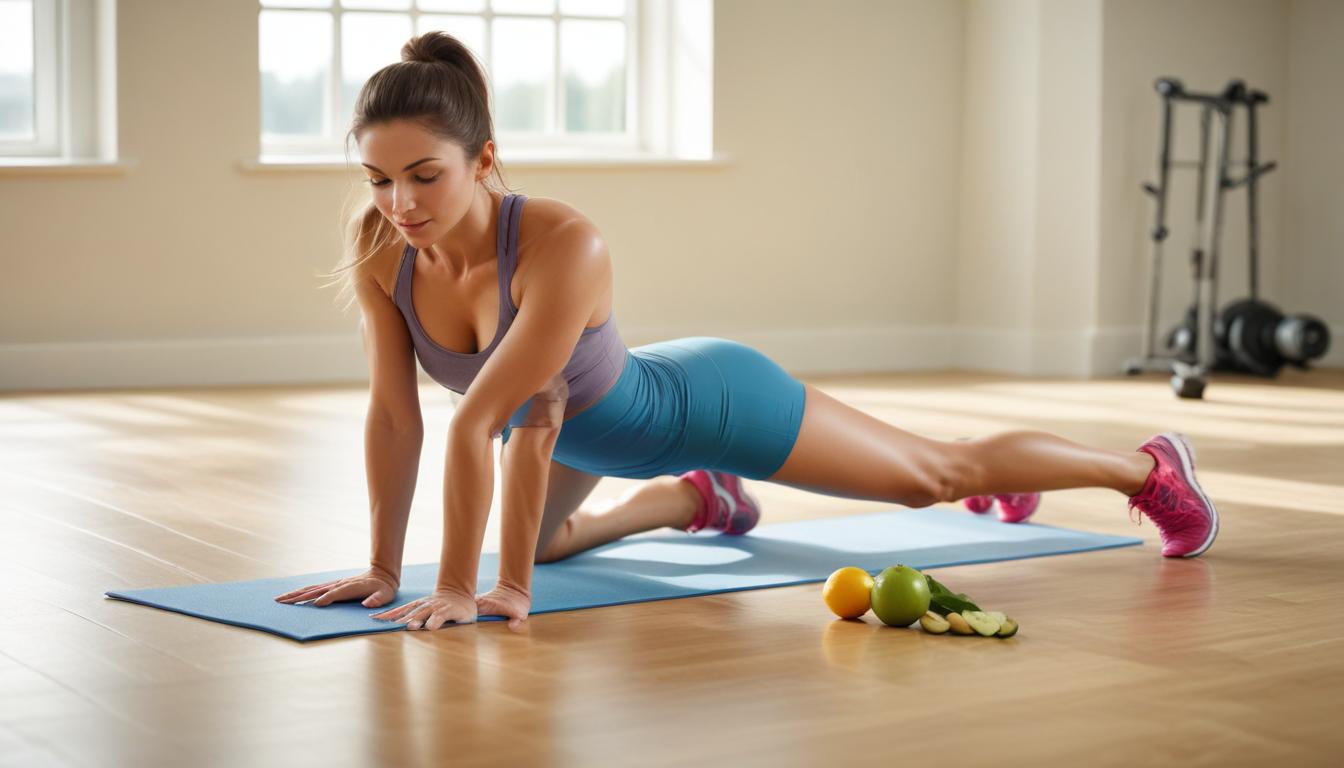
Madrid's council-run sports facilities have quietly become one of the city's best-kept wellness secrets. While private gyms dominate conversation, the city's network of centros municipales de actividades deportivas (municipal sports activity centres) offer structured group classes at a fraction of commercial prices, with genuine community spirit built in.
The scale is impressive. Madrid operates over 50 municipal sports centres across its 21 districts, with class schedules updated seasonally. Annual memberships typically cost between €60 and €120, depending on your district and age, making regular participation genuinely sustainable for most residents. Single-class drop-in rates hover around €7–€10.
In the south, the Centro Deportivo Municipal Ibercaja in Villaverde offers morning spin classes and evening aerobics sessions that attract a loyal local crowd. The nearby Madrid Río cycling path becomes an unofficial extension of these facilities, with instructors often mentioning how participants continue their routines outdoors. Central neighbourhoods like Chamberí and Salamanca host aquatic fitness programmes—water aerobics and adult swimming lessons remain perennially popular, particularly among those managing joint health alongside regular exercise.
The Retiro area's municipal facilities lean heavily into outdoor-compatible activities: pilates, tai chi, and yoga classes that prepare participants for the park's natural running and walking routes. Staff at these centres often provide practical advice about integrating group sessions with independent activity in Madrid's extensive green spaces.
Class variety reflects Madrid's diverse population. You'll find instruction in Spanish, English, and increasingly other languages. Time slots typically cover early mornings (6:30–8:00 a.m.), midday slots for working professionals, and evening classes until 21:00. Many centres now offer hybrid options—combining in-person and streamed sessions—a format that proved resilient during lockdowns and remains available.
Registration happens online through your district's municipal website or directly at the centre. Peak seasons (September through May) fill quickly; booking 48 hours in advance is advisable. Summer months see lighter schedules but often include outdoor circuit training and open-air classes in parks.
The social aspect shouldn't be underestimated. Regular participants develop genuine friendships; many continue socialising in local tapas bars afterwards, creating the kind of informal community networks that characterise Madrid's outdoor wellness culture.
For specific class schedules, fees, and registration details, visit your district's official sports and leisure website or visit the centre directly—staff are typically responsive and accommodating to first-time visitors with questions about suitability and intensity levels.
This article was compiled by AI from the sources linked above and screened before publishing. See our editorial standards.
How does this story make you feel?
Spread the word
About this article
Published by The Daily Madrid
Daily brief
Free, in your inbox before 7am. Weekdays.
More in Wellness