Your guide to group exercise classes at Madrid's council-run facilities
From yoga in Retiro to aquatic fitness in Chamberí, the city's municipal sports centres offer affordable, accessible wellness programmes for every age and ability.
From yoga in Retiro to aquatic fitness in Chamberí, the city's municipal sports centres offer affordable, accessible wellness programmes for every age and ability.
Madrid's sprawling network of council-run sports facilities—known locally as polideportivos municipales—represents one of the city's best-kept wellness secrets. With over 130 municipal centres across the city's 21 districts, these venues offer group exercise classes at a fraction of private gym rates, making community fitness genuinely accessible.
The economics are compelling. A monthly pass to most council facilities costs between €35 and €55, while drop-in classes typically run €5–7. Compare this to Madrid's private gym sector, where membership often exceeds €60 monthly, and the value becomes clear. The Ayuntamiento's sports department (Dirección General de Deportes) has maintained this pricing strategy deliberately, framing fitness as a public health investment rather than a commercial product.
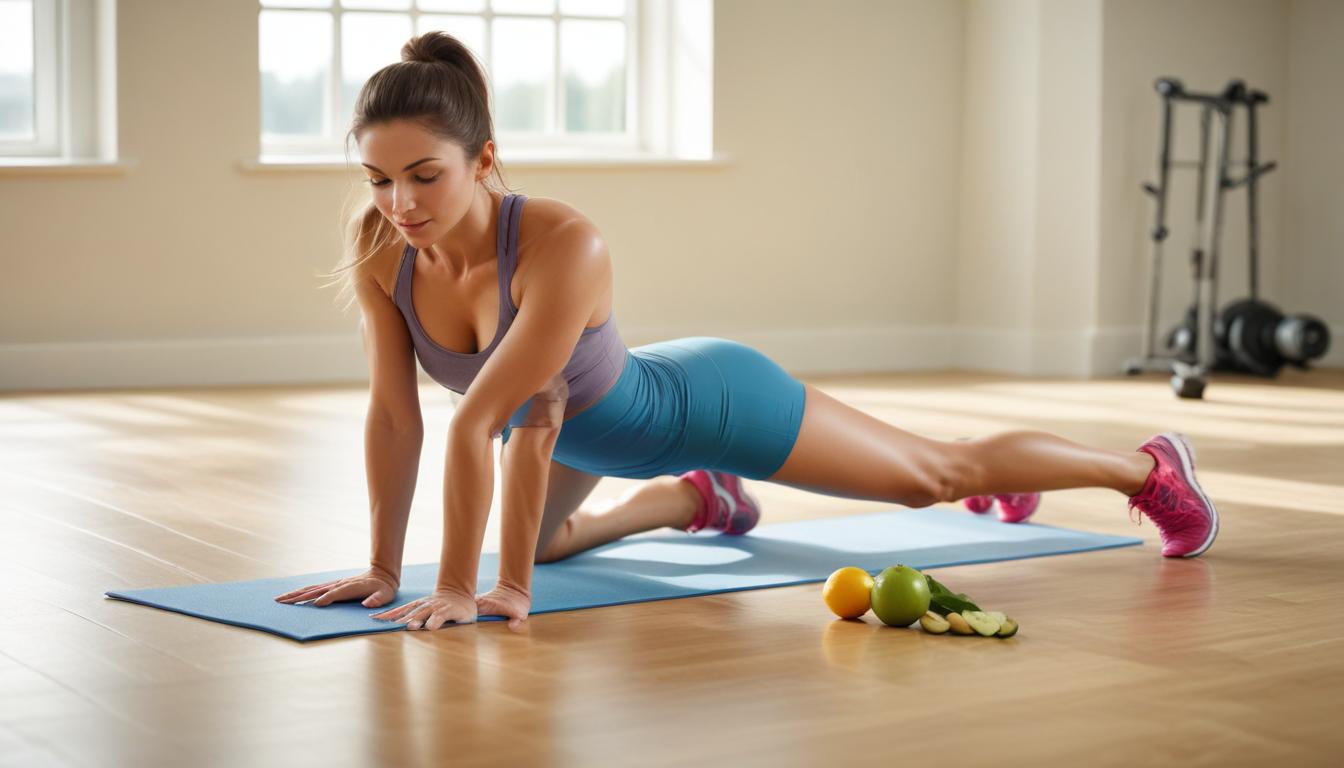
Class variety spans traditional and contemporary offerings. The Polideportivo Municipal de Retiro, steps from the park's main entrance, hosts morning yoga, pilates reformer sessions, and body-conditioning classes that draw locals and visitors alike. The Chamberí district's aquatic centres—particularly the facility on Calle Galileo—offer water aerobics and swimming lessons alongside land-based fitness, essential for older adults seeking low-impact exercise. Madrid Río's cycling infrastructure connects naturally with council centres in Arganzuela and Carabanchel, where spinning and outdoor trail classes cater to the city's growing cycling community.
Scheduling reflects Madrid's social rhythms. Early-morning classes (6:30–7:30am) fill quickly, targeting commuters. Midday slots (12:30–1:30pm) serve office workers in central districts like Salamanca and Chamberí. Evening sessions (7:00–9:00pm) consistently attract the largest numbers—unsurprising given Spain's late dinner culture. Weekend morning classes remain popular with families, often featuring family-friendly formats or children's activities alongside adult sessions.
Instructors are typically certified professionals, though quality varies between centres. The city's larger polideportivos in Moncloa, Villaverde, and Puente de Vallecas maintain higher instructor retention and more diverse programming. Smaller neighbourhood facilities offer more intimate group dynamics, often fostering tight-knit communities.
Registration is straightforward: visit your nearest municipal centre with ID, or book online through the Ayuntamiento's sports portal. Many centres now offer virtual introductory sessions, reducing barriers for newcomers. The typical induction includes facility orientation and a fitness assessment—informal but useful for class placement.
What emerges from Madrid's municipal fitness ecosystem is something increasingly rare: exercise infrastructure genuinely designed for community rather than profit. Whether you're seeking structured fitness, social connection, or affordable wellness, these council facilities deliver on all three fronts.
This article was compiled by AI from the sources linked above and screened before publishing. See our editorial standards.
How does this story make you feel?
Spread the word
About this article
Published by The Daily Madrid
Daily brief
Free, in your inbox before 7am. Weekdays.
More in Wellness