From Tapas Bars to Wellness Plates: How Nutritional Eating is Reshaping Madrid's Food Culture
Madrileños are embracing mindful Mediterranean eating, turning the city's iconic food scene into a laboratory for sustainable, health-conscious dining.
Madrileños are embracing mindful Mediterranean eating, turning the city's iconic food scene into a laboratory for sustainable, health-conscious dining.
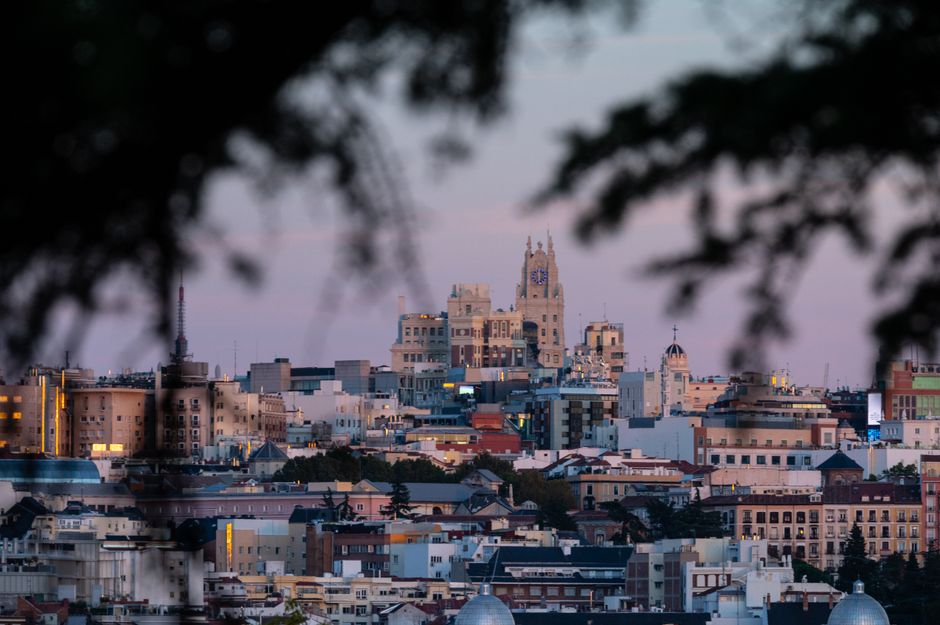
Walk down Calle Ponzano in Chamberí any evening and you'll notice something has shifted. Alongside the traditional jamón ibérico and vermouth stands, a new generation of establishments is quietly redefining what it means to eat well in Madrid. Plant-forward restaurants, whole-grain bakeries, and nutrient-dense juice bars have woven themselves into neighbourhoods that once belonged exclusively to indulgent late-night culture.
This isn't a wholesale rejection of Madrid's gastronomic identity—it's an evolution. Local wellness practitioners and nutritionists point to a measurable uptick in demand for conscious eating over the past eighteen months. Several established markets, including the Mercado de San Miguel, have expanded their fresh produce and organic sections by approximately 30 percent since 2024, reflecting what vendors describe as sustained customer interest in traceable, nutrient-rich ingredients.
The trend is particularly pronounced in central neighbourhoods. In Sol and La Latina, small-scale organic shops have multiplied, while the Madrid Rio cycling path—already a hub for outdoor fitness—has become an unofficial wellness corridor, with nearby eateries pivoting menus toward post-workout nutrition. Local hospitals including Hospital Quirónsalud and the Clínica Universidad de Navarra have begun hosting free community seminars on Mediterranean diet principles, reinforcing the connection between traditional Spanish eating patterns and modern nutritional science.
Price remains a consideration. A typical organic salad at a wellness-focused venue in Centro costs €14–18, roughly double the price of conventional options. Yet demand suggests Madrileños are willing to invest. The city's cooperative buying groups, informal networks organised through local neighbourhood associations, have grown to include over 3,000 active members seeking affordable access to organic produce from suppliers within 100 kilometres of the city.
What's particularly striking is the social dimension. Eating well in Madrid is increasingly a collective experience—weekend farmers' markets in Parque del Retiro now host nutrition workshops; running clubs based at the park's established routes frequently coordinate post-exercise healthy eating meetups; even traditional tapas bars in Malasaña are experimenting with lighter, vegetable-forward versions of classic dishes.
This wellness shift doesn't erase Madrid's celebrated food culture. Instead, it expands it. The Mediterranean diet—rooted in olive oil, legumes, seasonal vegetables, and moderate protein—has always been Madrid's baseline. What's new is the deliberate, conscious application of these principles, coupled with transparency about sourcing and nutritional content. For a city that has long celebrated eating as social ritual, the wellness movement is simply offering a more intentional way to do what Madrileños have always done best: gather, share, and nourish.
This article was compiled by AI from the sources linked above and screened before publishing. See our editorial standards.
How does this story make you feel?
Spread the word
About this article
Published by The Daily Madrid
Daily brief
Free, in your inbox before 7am. Weekdays.
More in Wellness