How to start a walking group in your neighbourhood
Madrid's neighbourhoods are perfect for community fitness—here's how to gather your neighbours and build a walking culture on your street.
Madrid's neighbourhoods are perfect for community fitness—here's how to gather your neighbours and build a walking culture on your street.
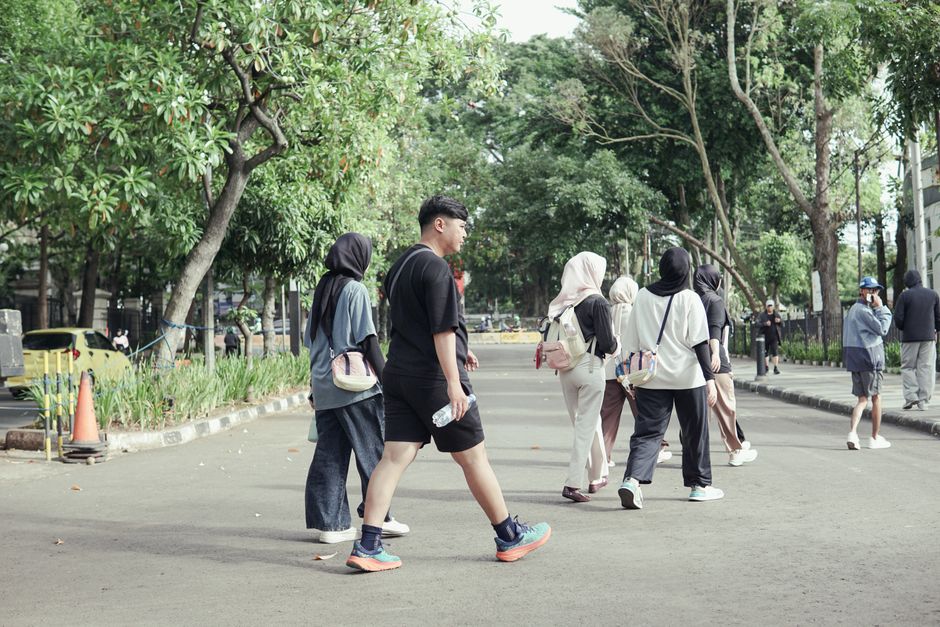
Walking groups have become Madrid's quiet revolution. From the tree-lined avenues of Chamberí to the residential calm of Vallecas, residents are discovering that organised neighbourhood walks transform exercise into social glue. If you've noticed the same faces jogging past your building or wondered why Retiro Park feels busier each weekend, you're witnessing a shift: fitness is becoming collective.
Starting a walking group requires minimal infrastructure but genuine intention. First, identify your natural gathering point. In neighbourhoods like Salamanca, this might be a quiet plaza near Calle Serrano; in Malasaña, perhaps the entrance to San Antonio Market. Scout a 3–5 kilometre loop that feels safe, interesting, and accessible. Avoid heavy traffic corridors—instead, trace residential streets, parks, or the Madrid Rio path if you're near the Manzanares.
Next, recruit. Post flyers at local community centres (centros cívicos offer free bulletin boards), neighbourhood WhatsApp groups, and Instagram community pages. Madrid's app-savvy population responds well to digital coordination; platforms like Meetup or Strava have Spanish-language communities already active. Invite neighbours informally—the friendliest recruitment happens doorstep to doorstep.
Set a sustainable schedule. Most successful groups meet twice weekly: once mid-week (say, Wednesday at 7 p.m.) and once weekend morning (Saturday at 9 a.m.). This cadence maintains momentum without demanding excessive commitment. Expect initial enthusiasm to settle: a core group of 8–12 regulars is healthier than 30 inconsistent members.
Manage expectations practically. Establish a walking pace (the Spanish preference leans toward conversational speed—around 5 km/h). Confirm the route by messaging 24 hours ahead. Consider insurance: while informal neighbourhood walks carry minimal risk, some groups register with local sports associations for nominal coverage.
Madrid's outdoor culture already supports this habit. The city recorded 2.3 million visits to Retiro Park alone last year; community walking simply democratises that activity. Your neighbourhood walk becomes both exercise and social infrastructure—crucial in a city where nearly 40% of adults report insufficient physical activity.
Start small, stay consistent, and remember: the best group is the one that actually meets. One street in Arganzuela, one in Hortaleza, one in Latina—Madrid improves one walk at a time.
This article was compiled by AI from the sources linked above and screened before publishing. See our editorial standards.
How does this story make you feel?
Spread the word
About this article
Published by The Daily Madrid
Daily brief
Free, in your inbox before 7am. Weekdays.
More in Wellness