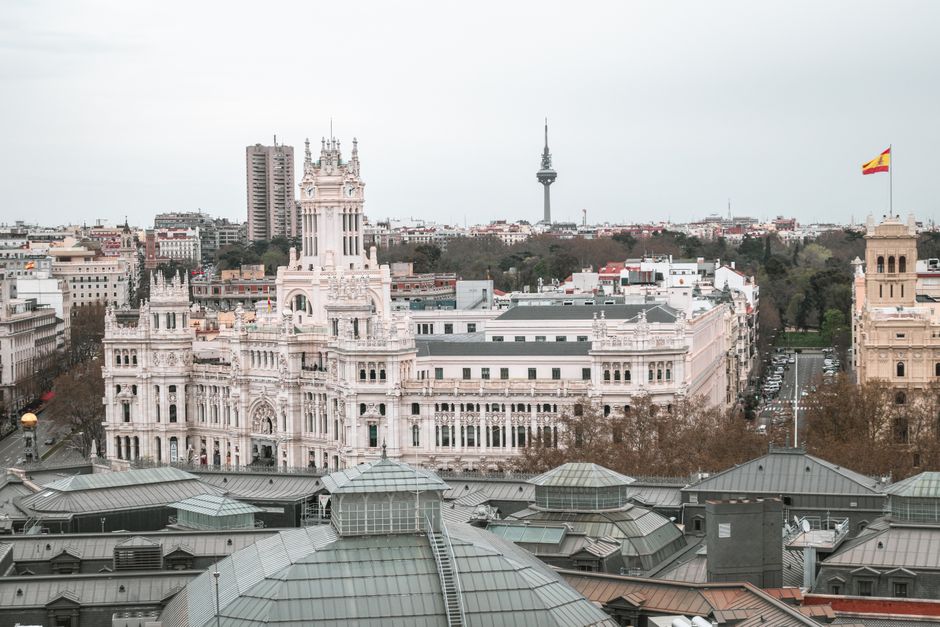
From takeaway regulars to farmers' market devotees: How Madrid's neighbourhoods are reshaping eating habits together
Three local communities show how accessible, affordable food transformation is possible when neighbours learn to cook together.
Three local communities show how accessible, affordable food transformation is possible when neighbours learn to cook together.
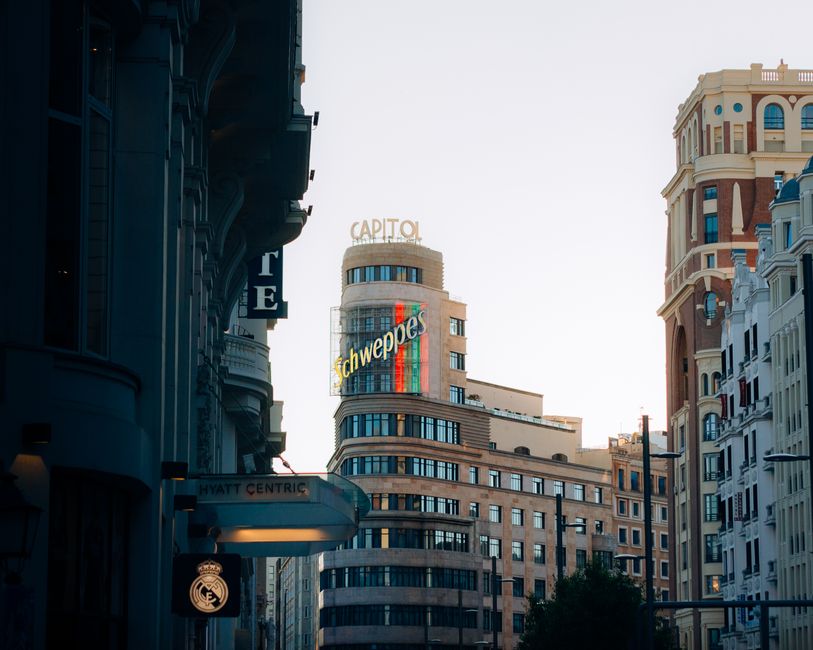
Walking through Mercado de San Miguel on a Tuesday morning feels like stepping into Madrid's food future. But the real transformation isn't happening among tourists sampling jamón ibérico. It's in the residential kitchens of Lavapiés, Vallecas, and Salamanca, where ordinary madrileños are discovering that changing what you eat starts with changing who you cook with.
María Jesús García, a community coordinator at the Lavapiés neighbourhood association, has spent the last two years running weekly cooking workshops in a shared kitchen near Plaza Lavapiés. "We started with fifteen people," she recalls. "Most were buying ready-made food from corner shops because they thought cooking was expensive or complicated." The workshops focus on seasonal Mediterranean ingredients available at the neighbourhood's Wednesday street market on Calle Argumosa—where a kilogram of local tomatoes costs €2.50, and fresh fish arrives daily from coastal suppliers.
The data supports what García observes: according to Madrid's Health Department, adults in high-density urban areas consume processed foods 40% more frequently than those with regular access to fresh-produce communities. Yet participation in neighbourhood cooking initiatives has grown 68% across the city since 2024.
Over in Vallecas, the Madrid Rio cycling path has become more than exercise infrastructure. The adjacent community garden at Parque Enrique Tierno Galván now supplies vegetables to a rotating group of twenty families who've committed to seasonal eating. A single bed produces roughly 8kg of seasonal produce monthly—enough to supplement household meals and redirect budget toward quality proteins like local white fish and free-range eggs from neighbourhood suppliers.
In Salamanca, a different model emerged when three neighbours started a monthly supper club rotating through their kitchens on Calle Velázquez. What began as informal gatherings transformed into a structured group of twelve families learning traditional Spanish techniques—gazpacho preparation in summer, cocido madrileño construction in winter—while sharing the real costs (typically €12–15 per person, including wine).
These aren't isolated experiments. The Consejería de Sanidad now counts 47 active neighbourhood nutrition groups across Madrid's districts, with waiting lists in several areas. Success depends on accessibility: workshops held in community centres rather than private studios, ingredients sourced within walking distance, and leadership from residents rather than external experts.
The common thread isn't dietary perfection—it's proximity and permission. When people cook alongside neighbours, using affordable local ingredients, transformation follows naturally. Madrid's food culture isn't changing through individual willpower. It's changing through community tables.
This article was compiled by AI from the sources linked above and screened before publishing. See our editorial standards.
How does this story make you feel?
Spread the word
About this article
Published by The Daily Madrid
Daily brief
Free, in your inbox before 7am. Weekdays.
More in Wellness