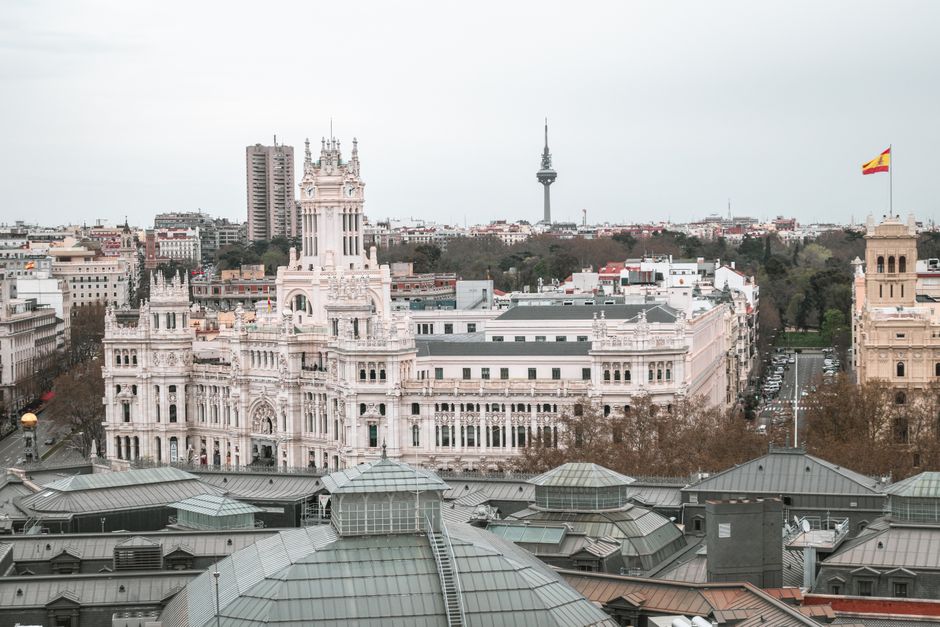
Walk through Retiro Park on any weekday morning and you'll spot joggers, cyclists, and the occasional tai chi enthusiast. Yet Madrid's approach to stress management and mindfulness remains distinctly different from the wellness-saturated cultures of Copenhagen or Berlin, where meditation is almost routine. New data suggests the Spanish capital is beginning to catch up—but slowly.
Global wellness trends have centred mindfulness as a cornerstone of mental health, with meditation app downloads exceeding 100 million annually worldwide. Madrid's uptake, however, reflects broader Spanish attitudes: pragmatic, social, and sceptical of what locals sometimes view as Anglo-Saxon wellness excess. A 2024 survey by Madrid's public health authority found just 12% of residents practise formal mindfulness or meditation regularly—compared to 28% in Denmark and 22% in Germany. Yet that figure has nearly doubled since 2019.
The shift is visible in neighbourhoods like Malasaña and Chueca, where wellness studios have proliferated. A mindfulness-focused yoga class in Chueca now costs €15–18 per session, with monthly memberships around €70—affordable by European standards, though still premium for many madrileños. Community centres in working-class districts like Puente de Vallecas and Villa de Vallecas remain the primary access point for free or subsidised stress-management workshops, though availability is patchy.
What distinguishes Madrid's emerging wellness culture is its integration with existing social structures. Rather than isolated meditation retreats, local initiatives like the free mindfulness circles organised by the Colegio Oficial de Psicólogos de Madrid (Spanish Psychologists' Association) often pair stress management with group conversation—deeply aligned with Madrid's café culture and emphasis on community. The Madrid Rio cycling path doubles as an informal wellness corridor; many residents view their evening paseo as meditation in motion.
Healthcare professionals in Madrid's top-tier hospital network increasingly recommend mindfulness alongside conventional treatments for anxiety and burnout. Yet structural gaps persist: public mental health services remain stretched, and formal mindfulness training for GPs is not standard, unlike in Sweden or the UK.
The contrast reveals something important: Madrid is adopting global wellness trends, but filtering them through local values—prioritising accessibility, social connection, and outdoor movement over expensive apps or exclusive studios. As stress-related disorders climb across Europe, expect Madrid's pragmatic, community-first approach to mindfulness to deepen. The question is whether the city will invest public resources to match private enthusiasm.
This article was compiled by AI from the sources linked above and screened before publishing. See our editorial standards.