How Madrid's everyday eaters built sustainable nutrition habits—and you can too
From market shopping rituals to office lunch prep, locals share the practical routines that transformed their relationship with food.
From market shopping rituals to office lunch prep, locals share the practical routines that transformed their relationship with food.
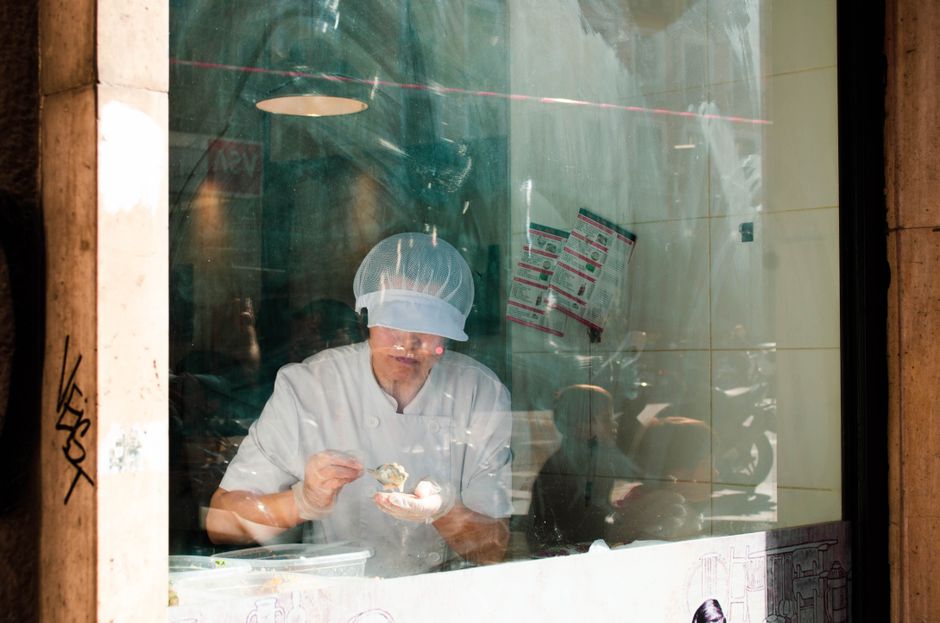
Walk through the Plaza Mayor on a Saturday morning and you'll notice something: madrileños aren't rushing. They're deliberate. They're at the market. This isn't romance—it's pragmatism. Over the past five years, nutrition habits among Madrid residents have shifted measurably away from convenience eating toward what wellness researchers call "anchor routines," and locals have quietly become experts at embedding them into daily life.
The weekly market visit remains the cornerstone. San Miguel Market attracts tourists, but the real nutritional work happens at neighbourhood mercados: Plaza de la Cebada in La Latina, Mercado de Barceloneta near Retiro Park. Here, vendors know regulars by name, customers buy seasonal produce at €2–4 per kilogram, and the friction of selection naturally limits processed purchases. One consistent habit among locals: buying only what fits in a standard shopping bag—a physical constraint that prevents overbuying and encourages variety within limits.
The second habit is meal assembly, not meal preparation. Madrid's workplace culture increasingly revolves around a €6–8 lunch from home: bread from a panadería, aged jamón, local cheese, seasonal vegetables. The Spanish Institute of Nutrition (Instituto Español de Nutrición) reported in 2024 that office workers who prepared daily "lunch boxes" showed 23% better adherence to Mediterranean patterns than those relying on restaurant menus. The habit requires five minutes the evening before—not the hour-long Sunday meal prep that burns out many.
Evening routines matter too. The paseo—the evening walk—isn't exercise marketing; it's digestive architecture. Locals departing offices around 7 p.m. for a 20–30 minute walk through neighbourhoods like Chamberí or along Madrid Río before dinner naturally eat smaller evening meals and stabilize blood sugar patterns. Combined with the cultural norm of later dining (9 p.m. or later), this spacing aids satiety and reduces snacking.
A third practical anchor: the neighbourhood farmacia. Madrid's 3,000+ pharmacies aren't just for medication. Many stock local supplements, omega-3 products, and nutritional guidance—accessible without appointment, creating a low-barrier way to address individual gaps rather than following generic diet trends.
The shift isn't about willpower. It's structural. When your market closes at 2 p.m., you plan accordingly. When your social evening involves walking, not driving, movement becomes incidental. When seasonal produce rotates weekly, monotony forces novelty.
These habits work because they're woven into Madrid's existing rhythms, not imposed against them. The wellness gain arrives quietly—not from restriction, but from making the easier choice the available choice.
This article was compiled by AI from the sources linked above and screened before publishing. See our editorial standards.
How does this story make you feel?
Spread the word
About this article
Published by The Daily Madrid
Daily brief
Free, in your inbox before 7am. Weekdays.
More in Wellness