The Madrid Mobility Centres reshaping how seniors stay active
As active ageing becomes central to wellness, Madrid's network of specialized physiotherapy hubs is quietly helping older adults reclaim strength and independence.
As active ageing becomes central to wellness, Madrid's network of specialized physiotherapy hubs is quietly helping older adults reclaim strength and independence.
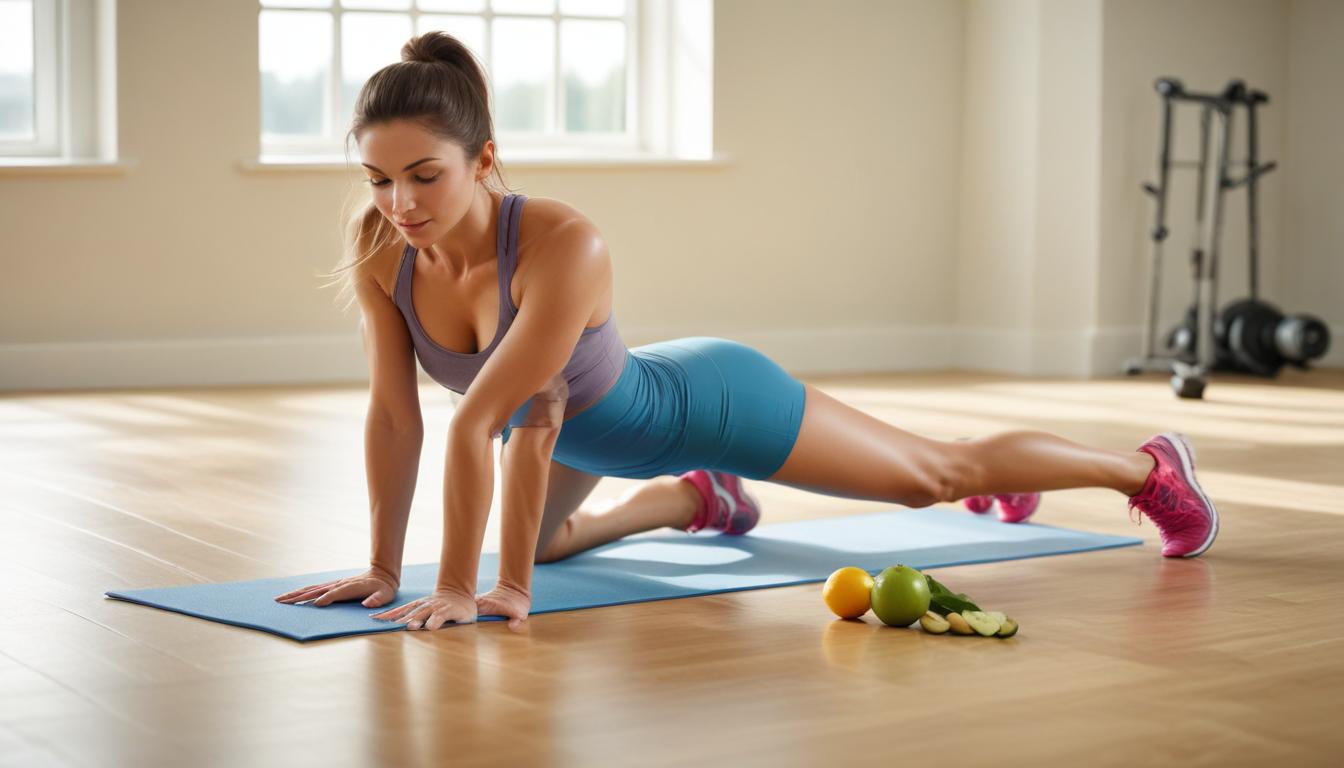
If you're over 60 and wondering where to turn for structured, professional support to maintain mobility and independence, Madrid's expanding network of Centros de Movilidad—public and subsidized physiotherapy facilities—represents one of the city's most underutilized wellness resources.
Unlike the viral viral wellness trends that dominate social media, these centres operate with clinical precision. Spain's national health service (Servicio Madrileño de Salud) funds around 40 mobility units across the capital, many offering free or low-cost sessions for seniors with a GP referral. Located in neighbourhood health centres from Chamberí to Vallecas, they're designed specifically to prevent falls, restore joint flexibility, and rebuild confidence in movement—the real foundation of active ageing.
One of Madrid's most established hubs sits within the Centro de Salud Integral in the Retiro neighbourhood, steps from Spain's most iconic park. Staff there work with older adults on balance, gait training, and muscle strengthening using evidence-based protocols—a far cry from well-intentioned but unstructured home exercise routines. Sessions typically last 45 minutes, with physios tailoring programmes to individual mobility challenges. For those without insurance, the cost hovers around €30–50 per session; with public coverage, it's often free.
What makes these centres particularly valuable is their integration with Madrid's outdoor wellness landscape. Professionals regularly advise patients on safely using nearby facilities like Retiro Park's dedicated running track (1.8 km loop, wheelchair accessible) or Madrid Rio's flat cycling paths—both proven to support sustained active ageing when approached with proper conditioning. The centres bridge the gap between clinical rehabilitation and the vibrant outdoor social culture Madrid seniors already embrace.
According to recent Madrid health authority data, seniors who engage in structured mobility programmes reduce fall-related hospital admissions by roughly 30% annually. Yet many madrileños remain unaware these services exist beyond initial recovery from injury or surgery.
To find your nearest centre, ask your GP for a referral or contact your local Centros de Atención Primaria (CAP). Neighbourhoods like Salamanca, Moncloa-Aravaca, and Puente de Vallecas all maintain active units. If you're considering group fitness classes instead, many centres now offer collective sessions—a social bonus that research consistently links to better adherence and mental wellbeing in older adults.
Active ageing isn't about competing with 30-year-olds at the gym. It's about preserving the independence to walk Madrid's streets, climb your apartment stairs, and enjoy the city's cultural rhythm for decades to come. These centres are where that clarity begins.
This article was compiled by AI from the sources linked above and screened before publishing. See our editorial standards.
How does this story make you feel?
Spread the word
About this article
Published by The Daily Madrid
Daily brief
Free, in your inbox before 7am. Weekdays.
More in Wellness