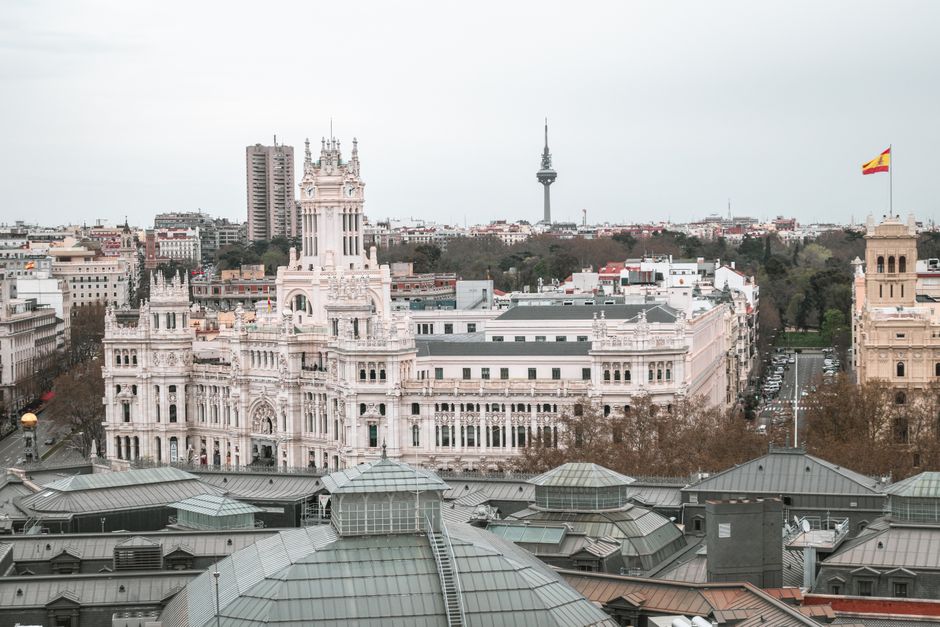
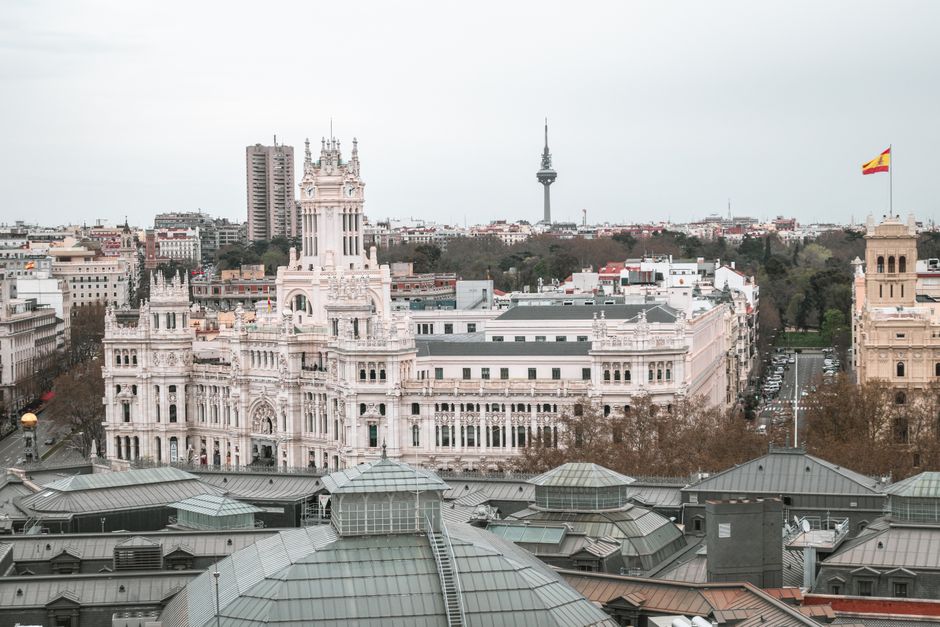
Madrid has long been defined by its late nights and social energy—the 10 p.m. dinner, the vibrant terrace culture, the after-work drinks that stretch into midnight. But something quietly profound is shifting across the city. Sleep, once dismissed as a luxury rather than a necessity, has become the city's newest wellness obsession.
The trend is visible everywhere. Specialized sleep clinics have opened across affluent neighbourhoods like Salamanca and Chamberí, offering everything from sleep apnoea screening to personalised circadian rhythm coaching. Meanwhile, Madrid Rio's cycling path and Retiro Park's running routes have become evening destinations, with fitness enthusiasts deliberately timing workouts to optimize their sleep windows rather than maximize intensity. Local gyms report that afternoon and early-evening classes now far outpace morning slots—a reversal from just two years ago.
«Rest is the new performance metric,» explains the wellness landscape across Spain's capital, where traditional late dining is gradually being reimagined. Progressive restaurants along Paseo del Prado are introducing «early dinner» tasting menus (starting at 8:30 p.m.) designed to aid digestion before bed, aligning with Mediterranean dietary principles that emphasize timing over restriction. Some establishments now market dishes explicitly for their sleep-promoting ingredients—magnesium-rich pulses, omega-3 fish from the Spanish coast, herbal infusions that replace post-meal spirits.
Corporate Madrid has taken notice. Several multinational offices in the financial district near Puerta de Alcalá have installed quiet rest spaces and introduced flexible schedules allowing employees to avoid peak commute stress—a direct response to burnout-related health claims. Premium co-working spaces in Malasaña have begun offering 20-minute power nap pods, previously unthinkable in a city that once prided itself on relentless productivity.
The shift reflects broader data: Spain's sleep health ranks below the EU average, with madrileños averaging 6.8 hours nightly according to recent health surveys. Young professionals, in particular, struggle with irregular sleep tied to the city's late work culture and social commitments.
Yet resistance remains. The traditional siesta—once Madrid's answer to afternoon fatigue—has largely disappeared from urban working life, replaced by this more clinical approach to sleep optimization. Whether this wellness trend represents genuine cultural change or another temporary health fad remains unclear. What's certain is that Madrid's relationship with rest is being reconsidered, one quiet evening at a time.
For personalized sleep health concerns, consult with specialists at Madrid's hospital network or your local medical provider.
This article was compiled by AI from the sources linked above and screened before publishing. See our editorial standards.