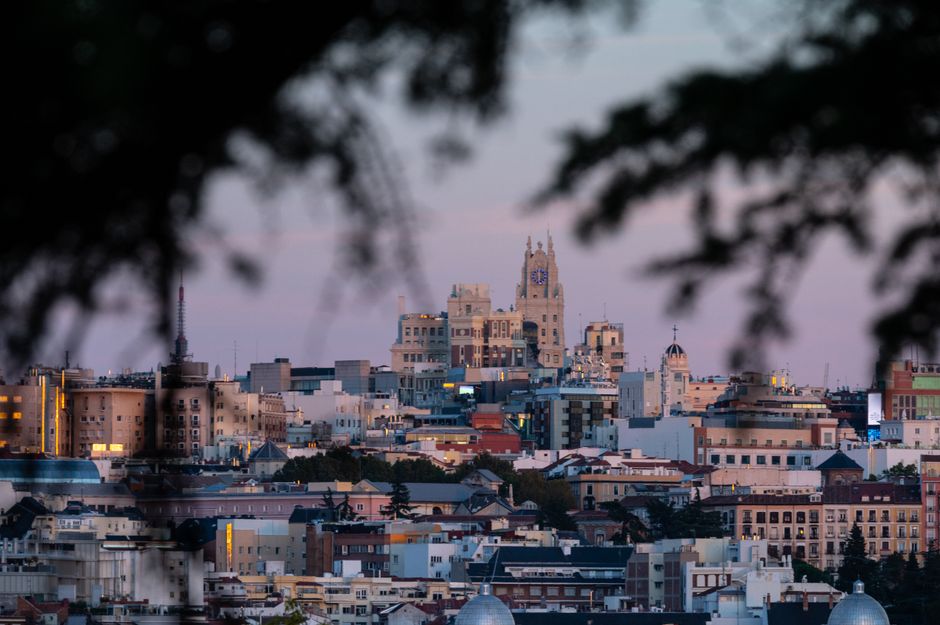
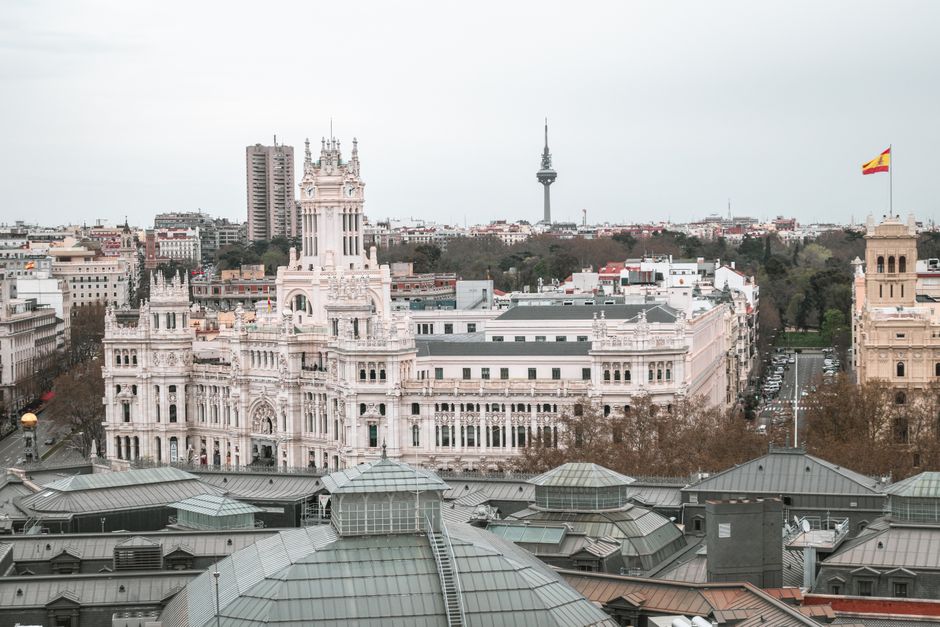
Global fitness data consistently shows that outdoor running has surged since 2023, with apps like Strava reporting a 34% increase in trail activity across European cities. Yet Madrid's relationship with outdoor running terrain tells a more nuanced story—one rooted in decades of accessible green infrastructure rather than a recent trend.
Retiro Park remains the city's fitness anchor, hosting an estimated 15,000 daily visitors during peak seasons, many of them runners tackling its 3.44-kilometre perimeter loop. The park's popularity reflects what wellness researchers call the "urban refuge effect," where proximity to managed green space dramatically increases exercise adherence. But Madrid is increasingly moving beyond this single hub.
The Madrid Río cycling and running path, stretching 13 kilometres from Manzanares to Casa de Campo, represents the city's response to globalised wellness infrastructure investment. Completed in phases since 2011, it now rivals comparable urban trails in Barcelona, Valencia, and increasingly competes with European counterparts like Berlin's Tiergarten loop or Paris's Bois de Boulogne circuits.
What distinguishes Madrid's uptake, however, is the integration with existing culture. Where global trends emphasise structured apps and performance metrics, Madrid's running community—particularly visible along Paseo de la Castellana and through Salamanca's tree-lined streets—maintains a social, unhurried aesthetic closer to the Mediterranean wellness philosophy dominating wellness circles in southern Europe.
Local sports organisations report steady growth: running clubs affiliated with Spanish Athletics Federation branches in Madrid have grown membership by 22% over three years. Yet compared to Berlin's estimated 450,000 regular outdoor runners, or London's highly gamified trail networks, Madrid's 80,000-100,000 regular runners suggests untapped potential.
The distinction matters. While global trends push high-intensity interval training in urban settings, Madrid's trail culture—shaped by climate, topology, and social patterns—favours steady-paced, longer routes. Casa de Campo's 1,722 hectares offers variable terrain that appeals to trail runners, yet remains underutilised compared to Retiro's congestion.
This summer, expect increased visibility as Spanish runners increasingly adopt outdoor training ahead of autumn races. Prices for specialist running clubs range from €40-80 monthly; most parks remain free. The convergence of global wellness trends with Madrid's distinctive outdoor culture suggests the city is not importing international fitness movements wholesale, but adapting them to local rhythm and landscape—a distinctly Spanish approach to global wellness.
This article was compiled by AI from the sources linked above and screened before publishing. See our editorial standards.