Madrid Metro Expansion 2032: €5.2bn Plan Explained
Madrid's €5.2bn metro expansion adds 47km of track by 2032. See how the investment reshapes transport for 3.2 million residents and reduces peak-hour crowding.
Madrid's €5.2bn metro expansion adds 47km of track by 2032. See how the investment reshapes transport for 3.2 million residents and reduces peak-hour crowding.

Listen to this article · 4:02
Madrid's transport infrastructure is undergoing its most comprehensive transformation in decades, with investment figures and capacity projections offering a stark portrait of ambition at scale. The Metropolitan Transport Authority released updated statistics this week showing the full scope of modernisation efforts that will fundamentally alter how 3.2 million residents navigate the city over the next six years.
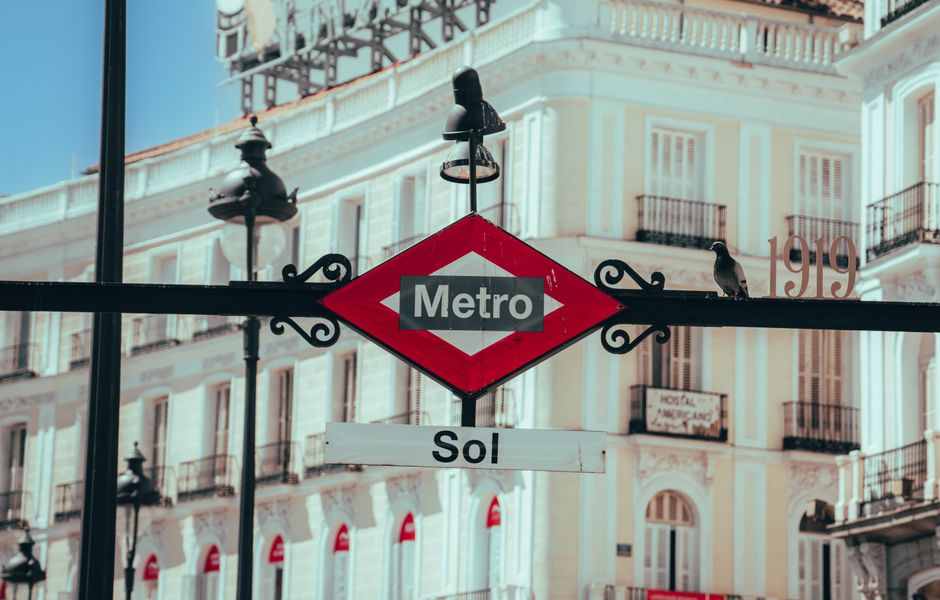
The Metro system, which currently operates 294 kilometres of track across 12 lines, will expand by 47 additional kilometres through 2032. The €5.2 billion investment programme—the largest since the system's creation in 1919—targets congestion that has swelled ridership to 2.4 billion journeys annually, up 31 percent since 2015. Peak-hour crowding on Line 1, running from Valdecarros through Chamberí to Pinar de Chamartín, now exceeds safe capacity by 23 percent on weekday mornings.
The data tells a story of spatial growth outpacing infrastructure. New residential developments in the eastern suburbs of Vicálvaro and San Blas have increased without corresponding transit upgrades, creating a 4.7-kilometre service gap that forces commuters onto surface roads. The Corredor del Henares extension, budgeted at €1.8 billion alone, will add two new stations and reduce travel times from the industrial zones near San Fernando de Henares by an estimated 34 minutes per journey.
Surface transport faces equally pressing numbers. The city's 2,100 buses currently carry 490 million passengers yearly, operating at 94 percent capacity during peak periods. Electric vehicle conversion—targeting 100 percent of the fleet by 2030—requires €640 million in procurement and infrastructure, with charging hubs planned across 23 neighbourhood locations including Moncloa, Leganés, and Puente de Vallecas.
Cycling infrastructure presents perhaps the most striking growth story. Madrid's protected bike lanes have expanded from 156 kilometres in 2015 to 723 kilometres today, yet usage remains fragmented by district wealth. North-central neighbourhoods like Retiro and Salamanca show 8.2 trips per thousand residents daily, while southern districts average 2.1. New connections planned for Latina and Centro aim to narrow this 290 percent disparity.
The financial picture reflects Madrid's commitment to pan-European standards. Per capita transport investment now reaches €184 annually, compared to Barcelona's €167 and Paris's €203. Yet efficiency metrics reveal challenges: operating cost per passenger-kilometre stands at €0.31, 18 percent higher than peer cities, suggesting management pressures alongside expansion demands.
These figures underscore a city at an infrastructure inflection point. Investment decisions made in the next two years will determine whether Madrid's transport system keeps pace with growth or faces deepening congestion across the next decade.
This article was compiled by AI from the sources linked above and screened before publishing. See our editorial standards.
How does this story make you feel?
Spread the word
About this article
Published by The Daily Madrid
Daily brief
Free, in your inbox before 7am. Weekdays.
More in News