Madrid Running Clubs Transform Fitness and Community
Neighbourhood groups across Madrid are building champions while strengthening social bonds through running, cycling and triathlon.
Neighbourhood groups across Madrid are building champions while strengthening social bonds through running, cycling and triathlon.
Listen to this article · 3:53
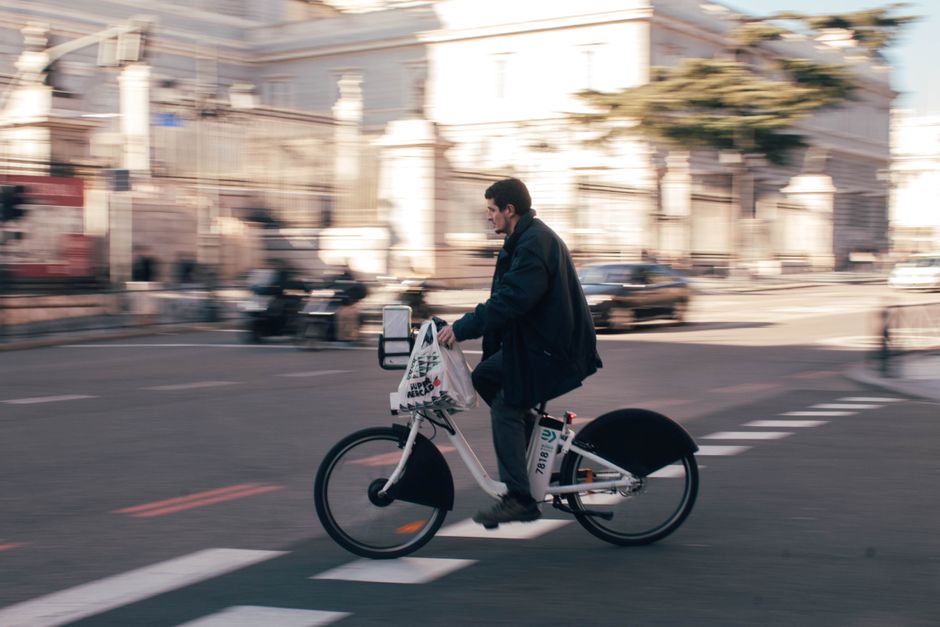
Walk along the Paseo de la Castellana on any Saturday morning and you'll see them: clusters of lycra-clad runners and cyclists moving in organised formations, their club colours unmistakable. Madrid's endurance sports scene has undergone a quiet revolution over the past three years, with local clubs reporting membership surges of up to 40 per cent and a genuine grassroots movement that extends far beyond the city's elite athletes.
Club Atletismo Chamberí, based near the historic neighbourhood of Chamberí, now boasts over 800 active members—nearly triple its 2023 figures. The club's twice-weekly group runs through the quieter streets of Barrio de Salamanca and longer weekend excursions into the Manzanares valley have become social institutions as much as training sessions. Monthly subscription rates start at €25, making membership accessible to working professionals and families alike.
The cycling contingent tells a similar story. Cicloturista Madrid, which organises regular routes through the city's outer districts and into the Guadarrama mountains, has expanded from 340 members to nearly 900 in 24 months. Their signature Sunday rides—which depart from the Parque Juan Carlos I car park—now include routes catering to beginners through to competitive cyclists preparing for the Gran Fondo races that dot Spain's calendar.
Triathlon clubs have perhaps seen the most dramatic growth. Federación Madrileña de Triatlón reports that affiliated clubs in Madrid have registered 2,847 licensed athletes this year, up from 1,963 in 2024. The city's outdoor swimming pools, including the public facilities in Casa de Campo and the Piscina Municipal de la Almudena, have become crucial training hubs alongside the Retiro lake, where early morning open-water sessions now draw 30-40 swimmers most days.
What distinguishes these clubs from commercial gyms or corporate fitness programmes is their community ethos. Many organise monthly social events, volunteer days maintaining local running routes, and mentorship programmes pairing experienced endurance athletes with newcomers. Club dues typically fund not just coaching and organised events, but also contributions to neighbourhood improvement projects and youth sports initiatives.
The economic impact is notable too. Local running shops, cycle repair services and sports nutrition suppliers have proliferated across neighbourhoods like Arganzuela and Retiro, creating employment and supporting small business growth. Several clubs have partnerships with local physiotherapists and sports medicine clinics, weaving endurance sports deeper into Madrid's community fabric.
As Madrid continues to position itself as Europe's capital of accessible sport, these clubs—unglamorous yet vital—are proving that meaningful athletic culture isn't built from top-down investment alone. It grows when neighbours run together, cycle together, and push each other toward their limits.
This article was compiled by AI from the sources linked above and screened before publishing. See our editorial standards.
How does this story make you feel?
Spread the word
About this article
Published by The Daily Madrid
Daily brief
Free, in your inbox before 7am. Weekdays.
More in Sport