Madrid's Transformation: Understanding How Spain's Capital Became Europe's Migration Magnet
As newcomers flood into the city, we examine the economic shifts and urban evolution that have made Madrid one of Europe's most desirable destinations.
As newcomers flood into the city, we examine the economic shifts and urban evolution that have made Madrid one of Europe's most desirable destinations.
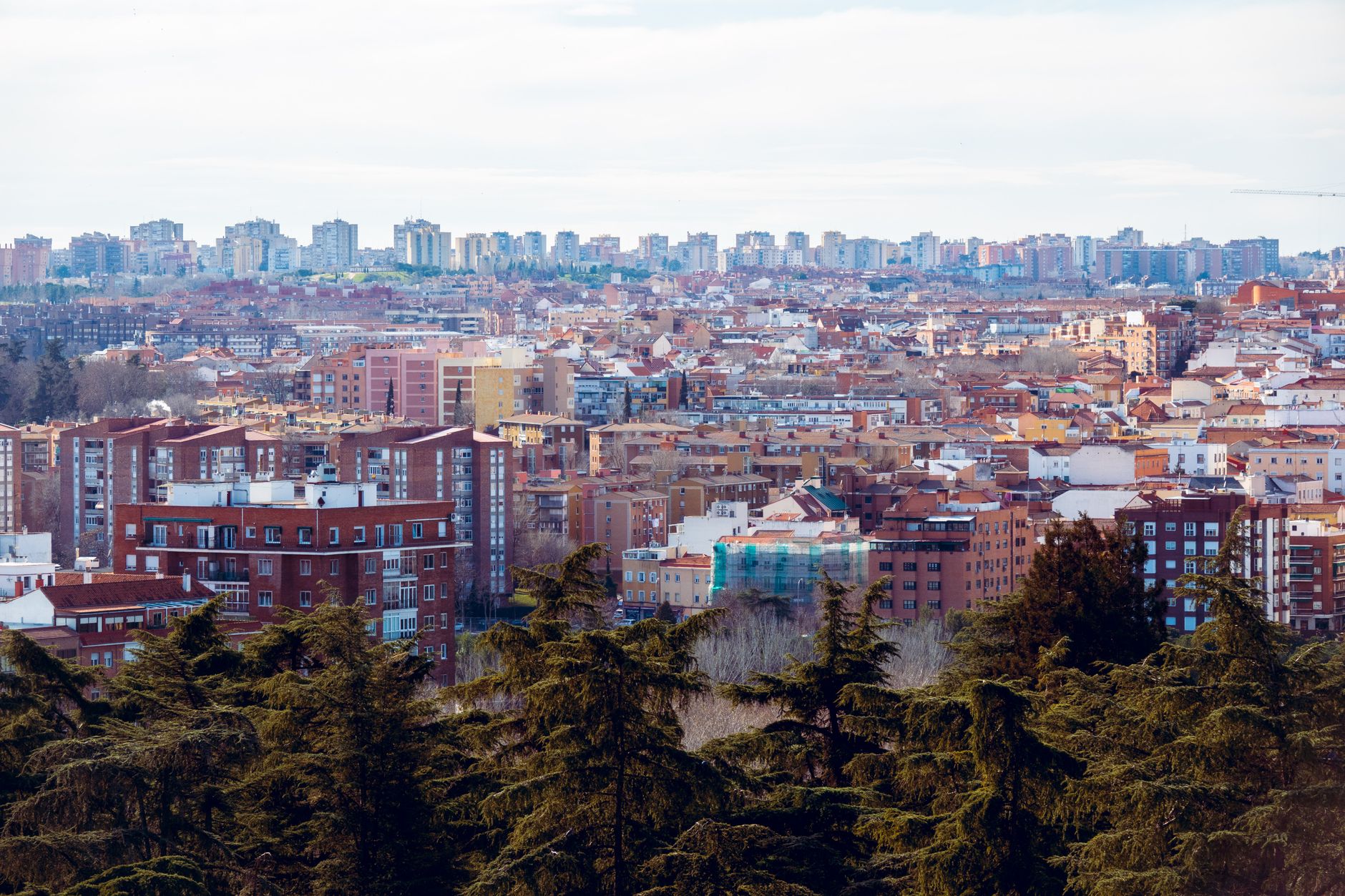
Madrid's emergence as a premier European destination for relocating professionals and families represents a dramatic shift from just a decade ago. To understand why thousands are now choosing the Spanish capital, it's essential to grasp the economic and infrastructural foundations that have underpinned this transformation.
The city's rise accelerated following Spain's recovery from the 2008 financial crisis. By the early 2020s, Madrid had repositioned itself as a tech hub rivalling Barcelona, with venture capital investment tripling between 2015 and 2024. Companies establishing regional headquarters in the capital—from multinational corporations to innovative startups clustering around the Salamanca and Chamberí districts—created unprecedented demand for skilled workers. This employment boom directly catalysed residential migration patterns we see today.
Infrastructure expansion proved equally decisive. Metro Line 11's extension southward, completed in 2022, opened previously isolated neighbourhoods like Vallecas to commuters. Simultaneously, the revitalisation of the Manzanares riverfront transformed what was once an underutilised space into a cultural and recreational corridor connecting Arganzuela to the Casa de Campo. These developments didn't merely improve connectivity—they redistributed the city's economic vitality geographically.
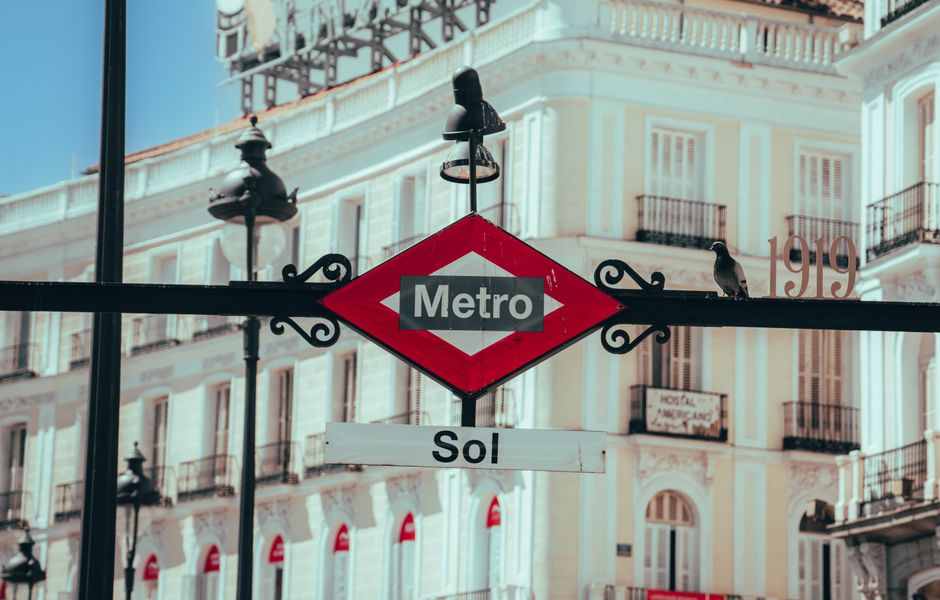
Housing markets reflect this trajectory. Average rental prices in central neighbourhoods like Sol and Gran Vía reached €1,200-1,500 monthly by 2025, prompting newcomers toward emerging areas. Neighbourhoods such as Malasaña and Chueca, traditionally bohemian quarters, gentrified rapidly as young professionals sought authenticity alongside accessibility. Meanwhile, Sanchinarro and Hortaleza offered more affordable options without sacrificing metro access.
Cultural institutions played an understated but significant role. The Reina Sofía Museum's expanded contemporary art programming, coupled with initiatives by venues like Matadero Madrid in Legazpi, positioned the capital as a creative centre beyond its traditional Prado-Thyssen-Reina Sofía triumvirate. International recognition—Madrid was designated European Capital of Innovation in 2023—amplified the city's soft power appeal.
Climate considerations also merit mention. Compared to northern European alternatives, Madrid's 280 annual sunny days and relatively affordable cost of living (despite rising rents) created compelling lifestyle propositions for expatriates and domestic migrants alike.
Today's newcomers arrive into a city still negotiating its rapid growth. Housing shortages persist, public transport demand strains infrastructure, and community tensions occasionally surface in rapidly changing neighbourhoods. Yet the fundamental drivers—economic opportunity, cultural vitality, and improved urban amenities—show no signs of reversing. Understanding these contextual factors helps newcomers appreciate not simply where they're moving to, but why Madrid has become impossible to ignore.
This article was compiled by AI from the sources linked above and screened before publishing. See our editorial standards.
How does this story make you feel?
Spread the word
About this article
Published by The Daily Madrid
Daily brief
Free, in your inbox before 7am. Weekdays.
More in News