Madrid's Green Initiative Shifts Into High Gear With Major Transit and Conservation Milestones This Week
The Spanish capital advances its sustainability agenda with expanded metro services and landmark preservation efforts across key neighbourhoods.
The Spanish capital advances its sustainability agenda with expanded metro services and landmark preservation efforts across key neighbourhoods.
Madrid's environmental strategy gained significant momentum this week with several major developments that reinforce the city's commitment to reducing carbon emissions and protecting green spaces. The announcements underscore efforts by municipal authorities to position the capital as a leader in urban sustainability across southern Europe.
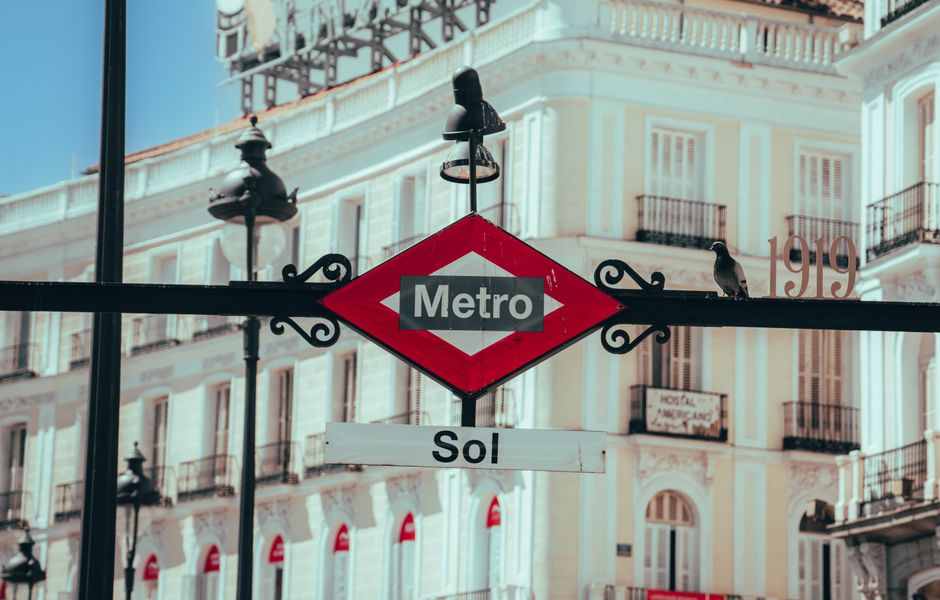
Most notably, the Metro de Madrid unveiled an accelerated expansion schedule for its Line 11, extending service deeper into the southwestern suburbs of Carabanchel and Latina by early 2027. The €85 million project aims to redirect approximately 12,000 daily commuters from private vehicles to public transport, potentially eliminating 4,500 tonnes of CO₂ emissions annually from that corridor alone. Officials estimate the extension will serve 340,000 residents currently reliant on bus networks.
In parallel developments, the Ayuntamiento de Madrid announced the preservation and conversion of the historic Matadero Madrid cultural complex into an expanded ecological hub. The sprawling venue near the Arganzuela neighbourhood will now dedicate 35 percent of its 23,000-square-metre footprint to urban farming initiatives and environmental education programmes. The €12 million retrofit, beginning next month, promises to transform underutilised industrial space into a demonstration site for circular economy practices.
The city council also greenlit a pilot programme reducing water consumption in public gardens across the Retiro and Casa de Campo parks. New soil moisture sensors and automated irrigation systems, installed this week in trial zones, are expected to cut water usage by 40 percent while maintaining landscape health. Annual savings could reach €620,000 by 2028.
Elsewhere, the Fundación Madrid Sostenible reported that rooftop solar installations across the city have reached 2,847 systems—up from 1,904 last year. Residential and commercial property owners are increasingly adopting photovoltaic panels, driven by updated municipal subsidies covering up to 50 percent of installation costs for income-qualifying households.
Environmental groups have cautiously welcomed the progress. However, critics note that Madrid's air quality index remains above EU targets on 31 days annually, particularly around high-traffic zones like the M-30 orbital highway. They argue that while transit expansion helps, congestion pricing mechanisms similar to those in London and Stockholm remain absent from the city's strategy.
The city aims to achieve carbon neutrality by 2040, requiring sustained investment and coordination. With these initiatives now advancing simultaneously—rather than sequentially—Madrid's municipal leadership appears committed to accelerating the timeline, though funding and implementation challenges loom large.
This article was compiled by AI from the sources linked above and screened before publishing. See our editorial standards.
How does this story make you feel?
Spread the word
About this article
Published by The Daily Madrid
Daily brief
Free, in your inbox before 7am. Weekdays.
More in News